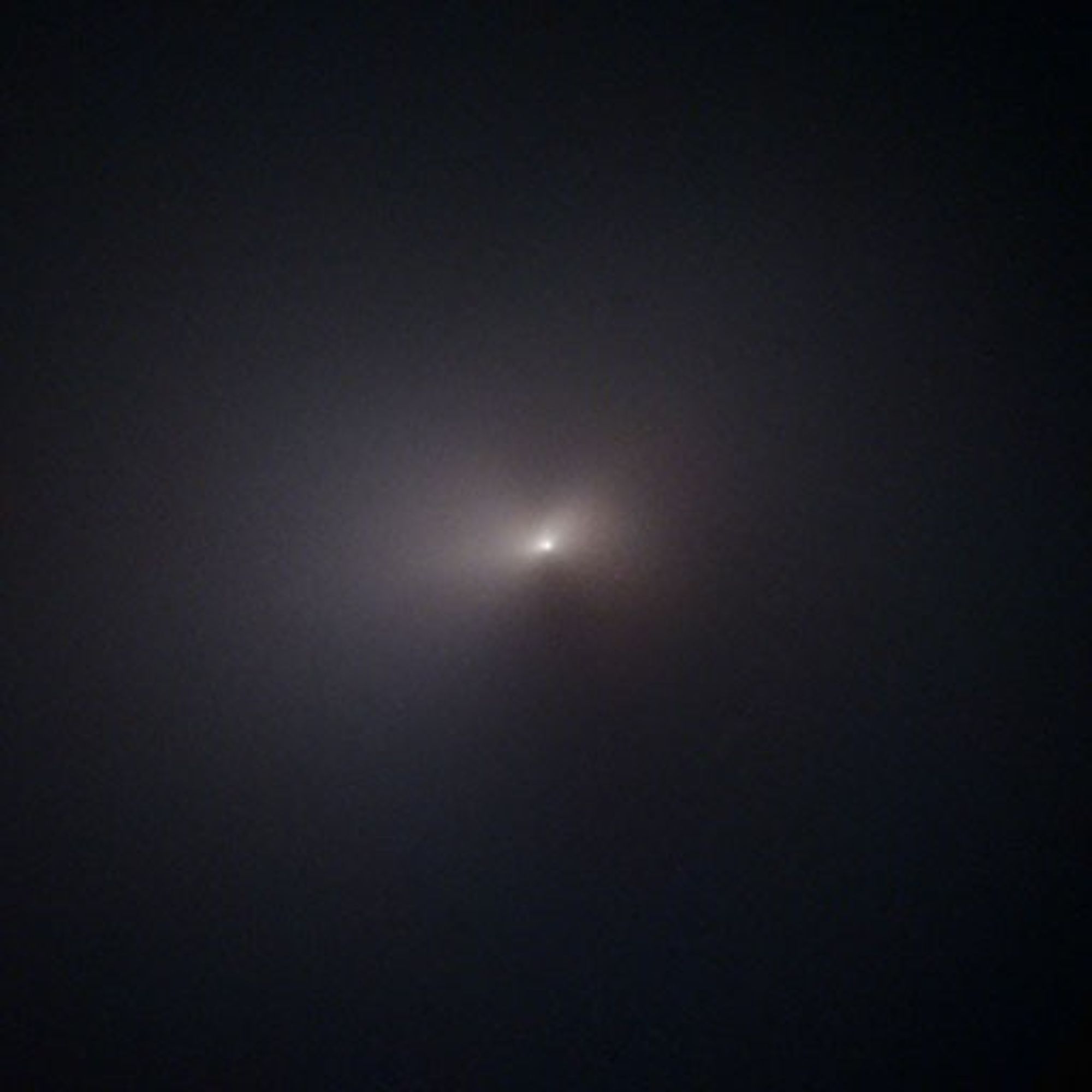
The 2026–2027 Apparition: What to Expect
Encke reaches perihelion — its closest approach to the Sun — in late 2026, after which it swings around and brightens as it heads away from the Sun toward Earth's vicinity. For Northern Hemisphere observers, the best viewing window runs from December 2026 through February 2027.
December 2026: Early Morning Target
In early December, Encke is still relatively faint at around magnitude 8–9, best located in the pre-dawn sky in the constellation Virgo. It rises around 3–4 AM local time and is best viewed in the hour before dawn begins to light the sky. A 6-inch or larger telescope with a low-power eyepiece gives the best chance of spotting it as a small, diffuse patch without a well-defined nucleus. By mid-December the comet should brighten to around magnitude 7 and becomes visible in 10×50 binoculars from a truly dark site.
January 2027: Entering Binocular Range
January is the month Encke becomes an accessible binocular target for most observers. The comet moves from Virgo into Libra early in the month and continues to brighten as it approaches its post-perihelion peak. By mid-January, magnitude 6.5–7 is expected, which means Encke should be visible in 10×50 binoculars from suburban skies and potentially faintly visible to the naked eye from a dark-sky site. The Moon is new around January 3 and again around January 31, giving two dark-sky windows each month that significantly improve observing conditions.
Late January to Mid-February 2027: Peak Window
This is the prime observing period. Encke is expected to reach its peak brightness of approximately magnitude 6 during this window. The comet moves through Scorpius and into Ophiuchus, placing it higher in the pre-dawn sky for Northern Hemisphere observers. At magnitude 6, the comet should be visible in 10×50 binoculars even from moderate suburban locations, and a 15×70 or 20×80 binocular will show it as a distinct fuzzy patch with a brighter central condensation. Observers with very dark skies may detect it as a faint, hazy spot with the naked eye using averted vision.
The Moon phase is favourable: new Moon on January 29, 2027, means the first two weeks of February are Moon-free in the pre-dawn hours. This is the single best window for the entire apparition.
March 2027: Fading
By March 2027, Encke is moving away from Earth and fading below magnitude 7. It remains a binocular object through early March from dark sites, but by mid-month it dips below magnitude 8 and is best tracked with a telescope. The comet moves into Sagittarius and becomes a late-evening object for Southern Hemisphere observers, who get a secondary window as Encke leaves the northern sky.