
Quick Answer: Can You See a Meteor Hit the Moon?
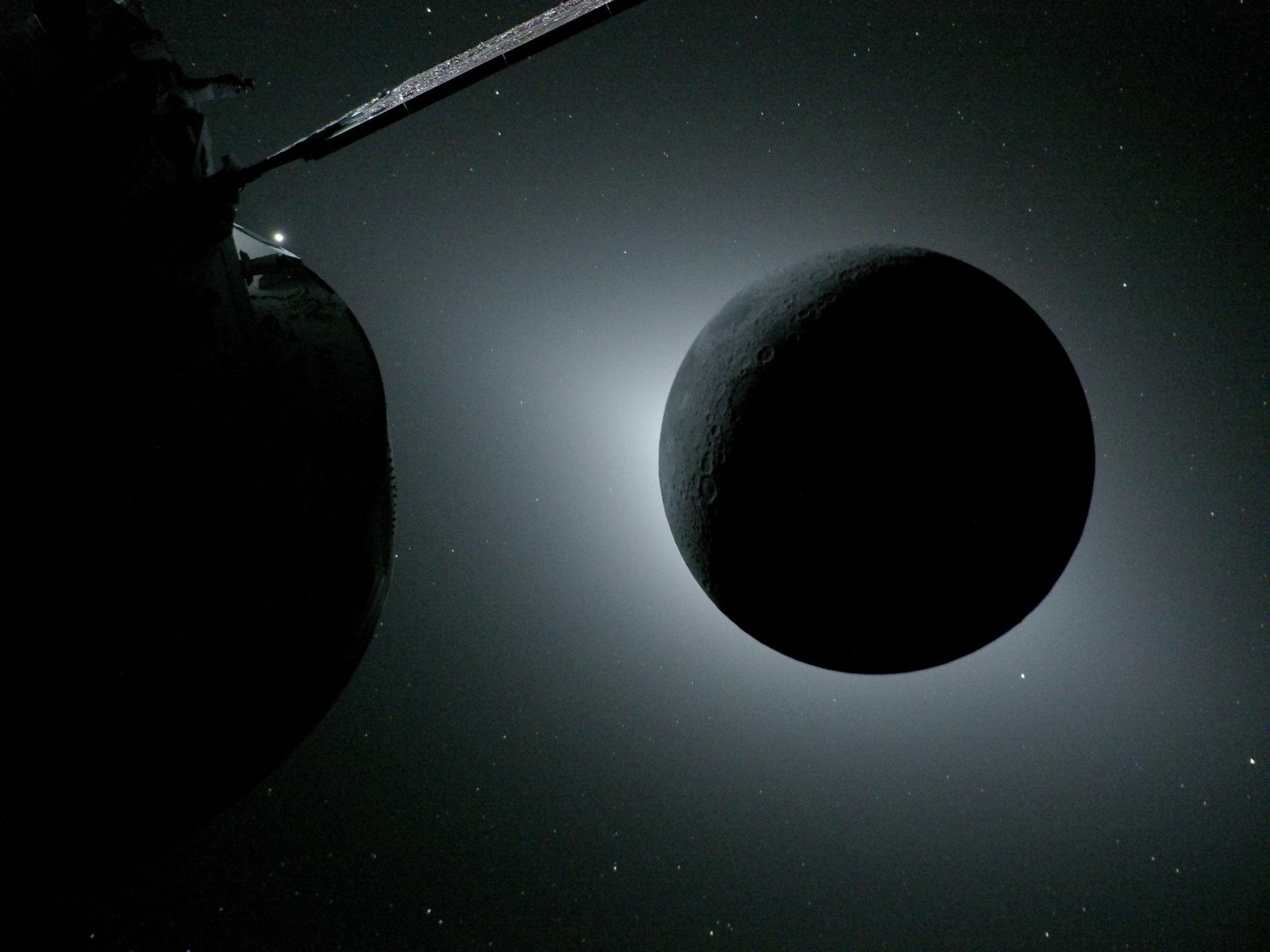
- • Yes, but usually not with your eyes alone. Rocks from a few grams to tens of kilograms strike the Moon constantly. Each one makes a point of light on the dark part of the Moon that lasts a fraction of a second.
- • Most flashes are faint. Typical flashes are about magnitude 7 to 11, too faint and too brief for the eye. A few bright ones, like the March 17, 2013 and January 21, 2019 flashes, reached about magnitude 4 and could have been seen without a telescope.
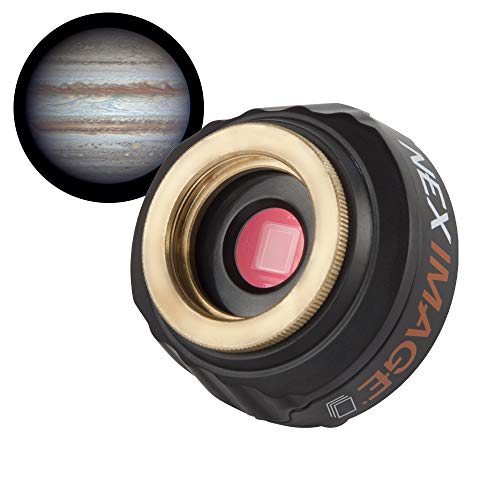
- • How amateurs catch them: a telescope of about 8 inches (20 cm) or more, a sensitive video camera recording at 25–30 frames per second, and free detection software. Point at the Moon’s unlit side when the Moon is a crescent or near quarter phase.
- • Best chance in 2026: the evenings of December 13 and 14, during the Geminid meteor shower. The Moon is a 20–29% lit crescent with its dark side facing the incoming Geminid stream, close to the set-up of NASA’s most productive Geminid run in 2015.
- • The news hook: NASA’s Artemis II lunar science report, released October 7, 2026, says the crew saw five impact flashes on the dark Moon during their April 6 flyby.
Moon phases, altitudes and impact geometry were computed by Telescope Advisor from the JPL DE421 ephemeris using the Skyfield library. Facts about impact flashes come from NASA’s Meteoroid Environment Office, ESA’s NELIOTA project, the British Astronomical Association, ALPO and peer-reviewed papers, listed at the end of this page.