
Telescope Eyepiece Calculator: Magnification & FOV Made
Telescope Advisor Logo Telescope Advisor
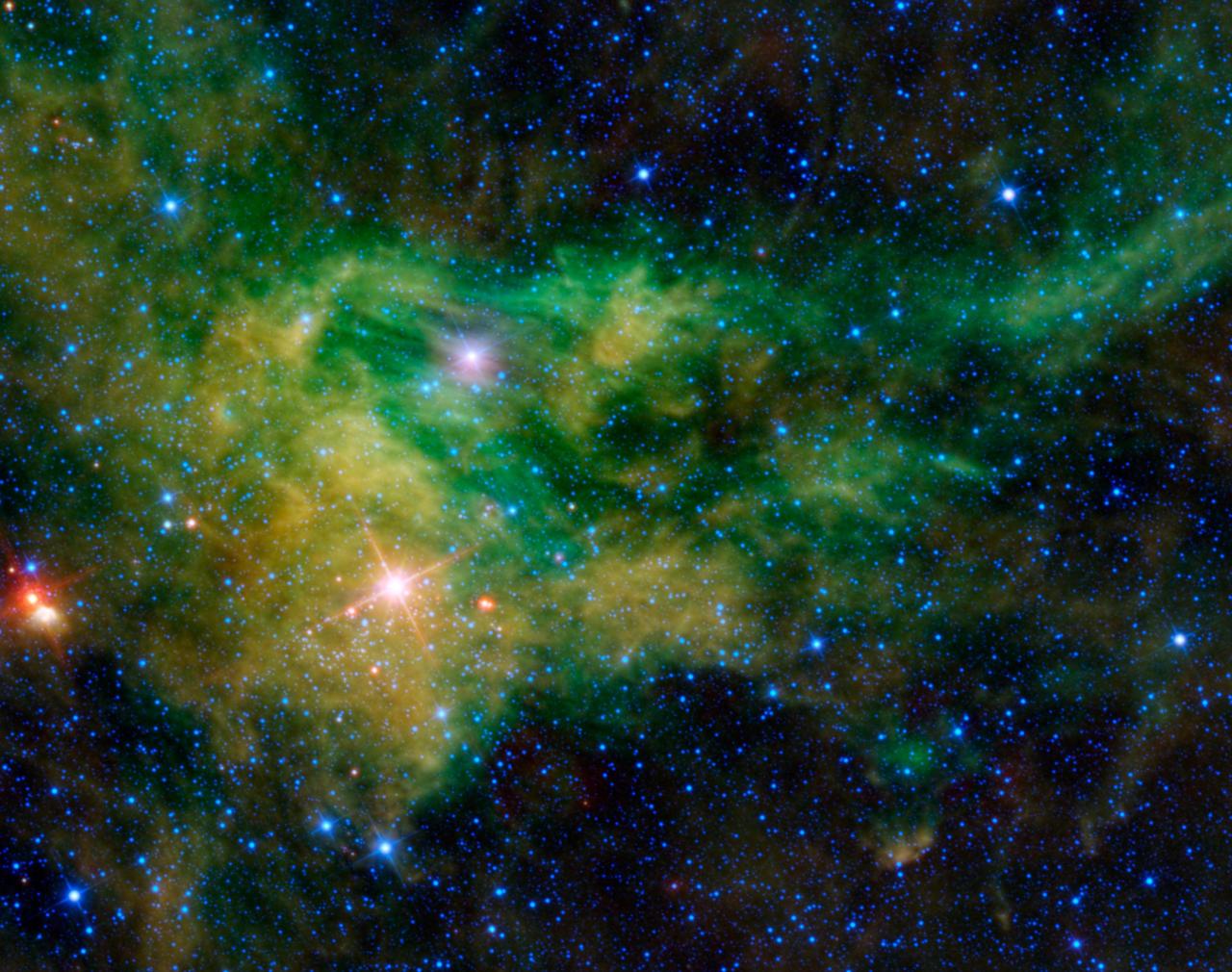
Night sky with stars — the view through a telescope eyepiece depends on magnification and field of view

Free Online Tool

Telescope Eyepiece Calculator: Magnification, Exit Pupil and True Field of View

Enter your telescope and eyepiece specifications below and instantly see the magnification, exit pupil, and true field of view for any combination.

CalculatorMagnification
CalculatorExit pupil
CalculatorTrue field of view
TypeBookmark this tool
Updated Editorial Standards

Eyepiece Calculator

Or select a preset telescope/eyepiece combination:

48
Magnification (×)
4.2
Exit Pupil (mm)
1.04
True Field (°)
62.5
True Field (arcminutes)

How to Use This Calculator

The eyepiece calculator works with any telescope and eyepiece combination. Enter your telescope's aperture and focal length (both in millimetres) and your eyepiece's focal length and apparent field of view. The calculator instantly shows:

  • Magnification: How many times your telescope magnifies the view. Calculated as telescope focal length divided by eyepiece focal length. A 1200mm telescope with a 25mm eyepiece gives 48×.
  • Exit pupil: The diameter of the beam of light exiting the eyepiece, measured in millimetres. Calculated as aperture divided by magnification. Exit pupils between 1mm and 7mm are usable; 2mm to 4mm is the sweet spot for most observing.
  • True field of view: The actual angular width of sky you see through the eyepiece. Calculated as apparent field divided by magnification. A wider true field lets you frame larger objects like the Andromeda Galaxy or the Pleiades.

Use the preset dropdowns to quickly explore common telescope and eyepiece combinations, or enter your own values to plan your next observing session.

Understanding the Three Key Numbers

Magnification — How Big Will It Look?

Magnification is the ratio of the telescope's focal length to the eyepiece's focal length. A 200mm f/6 Dobsonian has a 1200mm focal length. With a 25mm eyepiece, it produces 48×. With a 6mm eyepiece, it produces 200×. The practical maximum magnification for any telescope is roughly 50× per inch of aperture (2× per millimetre) under ideal conditions, but in typical atmospheric seeing, 25×–30× per inch is more realistic. Using a magnification above 300× on most nights produces a dim, blurry image regardless of aperture.

Exit Pupil — How Bright Will the Image Be?

The exit pupil is the diameter of the light beam leaving the eyepiece. Your eye's pupil dilates to about 5mm–7mm in complete darkness (younger observers achieve the higher end; older observers typically dilate to 4mm–6mm). If the exit pupil of your telescope is larger than your eye's pupil, light is wasted — some of the collected light never enters your eye. If the exit pupil is too small (below 0.5mm), the image becomes dim and floaters in your eye become distracting. The most useful exit pupil range for deep-sky observing is 2mm to 4mm. For planetary observing at high power, 0.8mm to 1.5mm is typical.

True Field of View — How Much Sky Can You See?

The true field of view is the actual angular width of the sky visible through the eyepiece. A 2° true field (120 arcminutes) is wide enough to frame the entire Orion Nebula with its surrounding nebulosity. A 0.5° true field (30 arcminutes) frames the planet Jupiter comfortably. The true field depends on both the eyepiece's apparent field (how wide the eyepiece itself looks) and the magnification. A 30mm eyepiece with an 82° apparent field in a 1200mm Dobsonian gives a stunning 2° true field at 40× — an immersive spacewalk experience. A 6mm eyepiece with a 50° apparent field gives a 0.25° true field at 200×, ideal for high-power planetary study.

Frequently Asked Questions

What is a good magnification for a beginner telescope?

A comfortable starting magnification is 30× to 50× for deep-sky objects and 100× to 150× for the Moon and planets. Higher magnifications require steady atmospheric conditions and are not usable every night.

What is the maximum useful magnification for my telescope?

The theoretical maximum is about 50× per inch of aperture under perfect conditions. In practice, most locations support 25× to 30× per inch on a good night. For a 6-inch telescope, that means a practical maximum of about 300×.

What does exit pupil mean for my observing?

Exit pupil is the beam of light leaving the eyepiece. If it is larger than your eye's pupil, light is wasted. If it is too small (below 0.5mm), the image is dim. The sweet spot for most observing is 1mm to 4mm.

What is the difference between apparent field and true field?

Apparent field is how wide the eyepiece itself appears to your eye (a specification of the eyepiece). True field is the actual angular width of sky you see (determined by the eyepiece's apparent field divided by magnification).

How do I choose the right eyepiece for my telescope?

Use this calculator to match eyepiece focal lengths to your telescope. A good three-eyepiece set includes a low-power eyepiece (25-32mm) for wide views, a mid-power eyepiece (12-18mm) for general observing, and a high-power eyepiece (5-9mm) for planets and the Moon. See our eyepiece buying guide for detailed recommendations.

Related Guides

Elena Reyes — Senior Science Editor

Elena Reyes

Senior Science Editor

Covers NASA missions, space science discoveries, and astronomical events for Telescope Advisor. Translates complex astrophysical research into practical insights for backyard observers. Based in the San Francisco Bay Area.

Content reviewed by our editorial team. Research and drafting assisted by AI to ensure unbiased, data-driven analysis. Learn more about our editorial process.