Denver Stargazing: Best Dark Sky Spots Near Denver
Telescope Advisor Logo Telescope Advisor
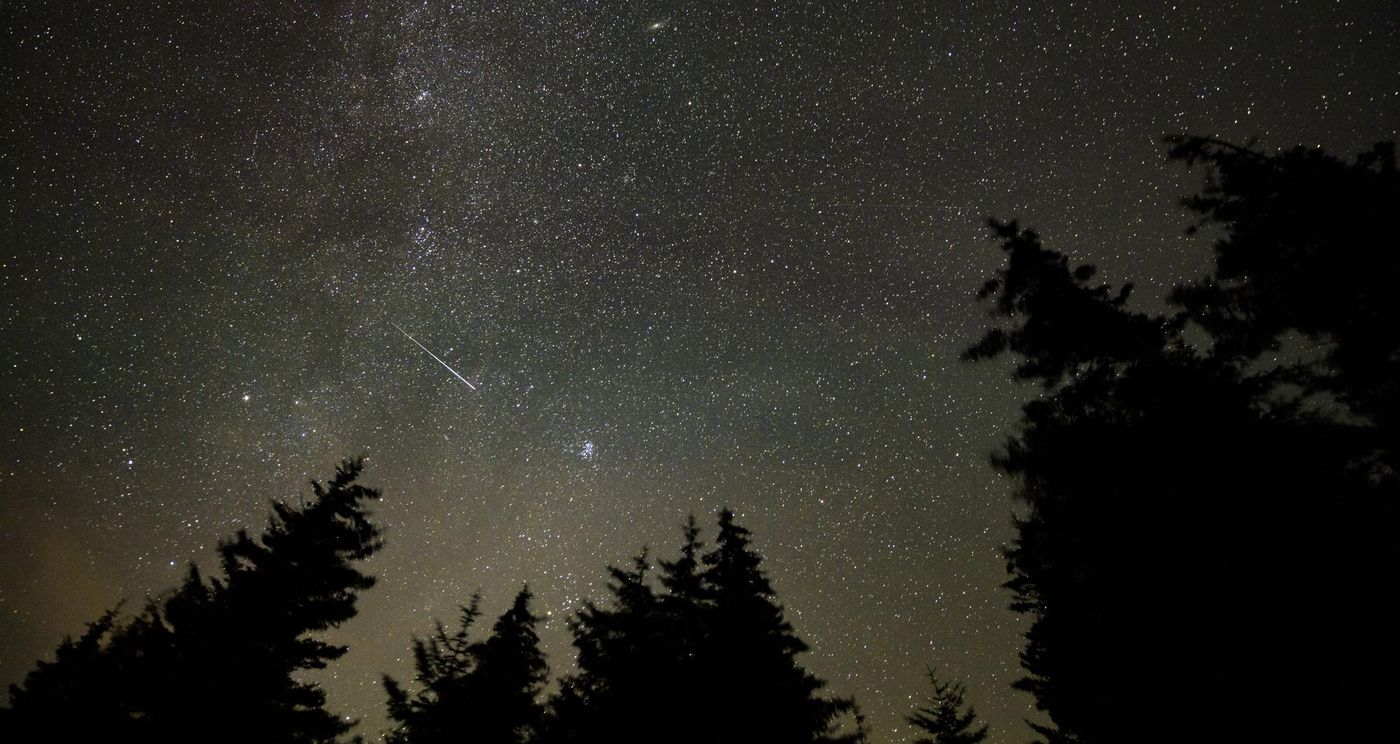
A Perseid meteor crossing the Milky Way above a dark ridge of conifers, the kind of sky the Front Range foothills show on a moonless night

Stargazing Destination Guide · Denver & the Front Range

Denver Stargazing: The Best Dark Sky Spots Within 2 Hours of the Mile High City (2026)

Denver has a reputation it has not quite earned. A mile of altitude, three hundred sunny days and the Rockies on the doorstep sound like a stargazer's dream, and the mountains do deliver on the right night. But the Front Range is also a 150-mile ribbon of city light from Fort Collins to Pueblo, and the quickest route to a genuinely dark sky from downtown is not up into the hills. It is east, onto the plains. This guide to stargazing near Denver explains that counter-intuitive geography, then covers the public observatories inside the metro, the state parks that have earned dark-sky certification, the high passes, and the one national park that runs astronomy nights an hour and a half from the city.

Sky DowntownBortle 8
Darkest Within 2 HoursBortle 2–3 (Pawnee National Grassland)
Certified Parks Within 90 MinGolden Gate Canyon, Jackson Lake
Best SeasonSeptember to November, and winter cold snaps

Photo: a Perseid meteor and the Milky Way over Spruce Knob, August 2021. NASA/Bill Ingalls

By Telescope Advisor Editorial TeamPublished: Updated: Reviewed & approved by Juhi Sahni, Senior Editor Editorial Standards

Stargazing Near Denver at a Glance

Drive times start at Union Station on a weekend evening; add 30 minutes for anything west on Interstate 70 on a Friday. Boulder and Longmont are closer to the northern sites and to the CU observatory; Aurora, Parker and Castle Rock are closer to the plains and Sandstone Ranch; Golden, Lakewood and Arvada have a head start on Golden Gate Canyon and Guanella Pass. The Bortle classes are estimates drawn from light-pollution maps and what the Denver Astronomical Society's members report. The mountain caveat is altitude: above about 10,000 feet the thinner air sharpens the stars but dims your own night vision, so a Bortle 4 site at 11,000 feet can show you less than a Bortle 3 site at 5,000.

LocationBortleDrive from Union StationNight AccessBest For
Chamberlin Observatory, University of Denver815 minFree monthly open house; ticketed public nightsLooking through a 20-inch 1894 refractor
Sommers-Bausch Observatory, CU Boulder740 min NWFree Friday open houses in termStudent-run telescope nights
Standley Lake, Westminster730 min NWMonthly star partiesFamily first look
Golden Gate Canyon State Park4–51 hr WCloses 10 pm to non-campers; Urban Night Sky PlaceClosest certified dark sky
Guanella Pass41 hr 15 min WOpen in season; closed to through traffic in winter11,670 feet of thin, clear air
Jackson Lake State Park3–41 hr 30 min NECampers; Dark Sky Park since 2020Lake horizon on the plains
Rocky Mountain National Park3–41 hr 30 min NWOpen 24 hrs; no timed entry after 6 pmRanger astronomy nights, June to August
Pawnee National Grassland2–32 hrs NEOpen; dispersed camping on public parcelsDarkest sky within two hours
Kenosha Pass & South Park31 hr 30 min SWOpen; forest campgroundsWide high-valley horizon
Florissant Fossil Beds NM3–42 hrs SWScheduled night-sky programmesRanger and club telescope nights
Westcliffe & Silver Cliff2–32 hrs 45 min STowns; Dark Sky Community since 2015The weekend upgrade

Why the Plains Beat the Mountains, Close In

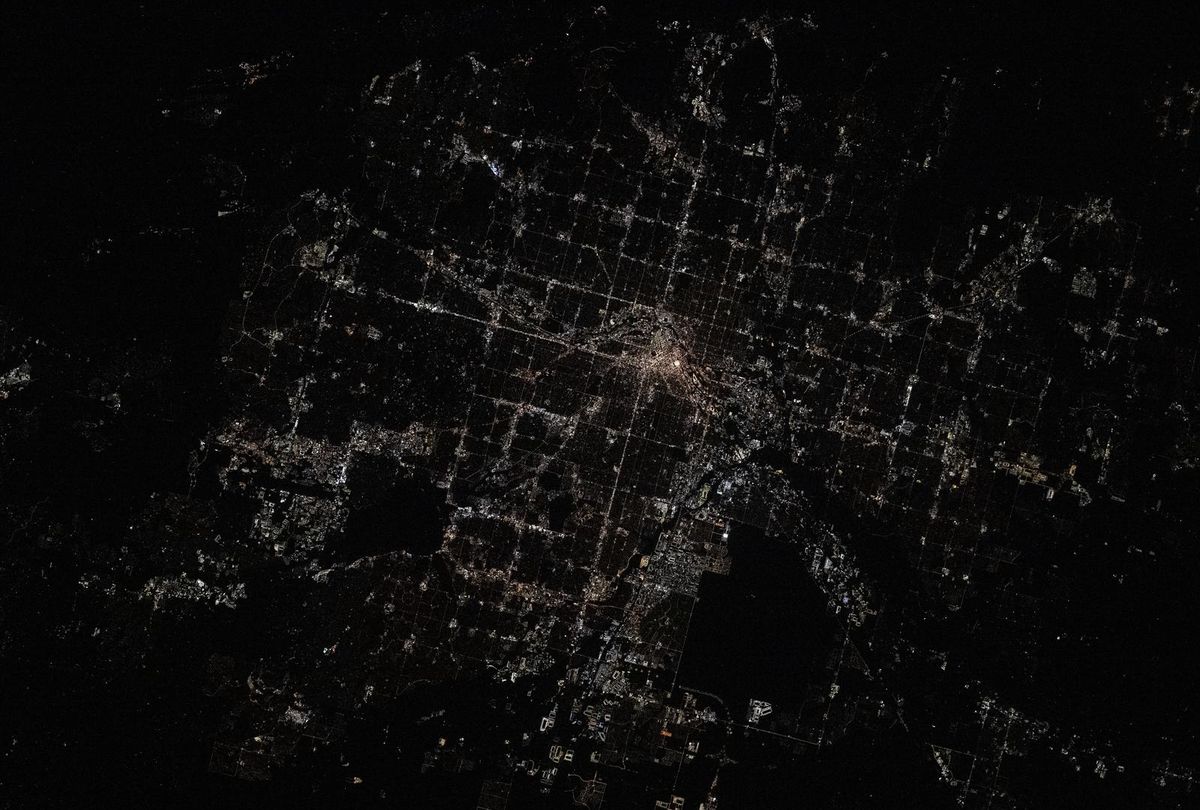
Photographed from the Space Station at 2:42 in the morning, Denver is a bright core with a grid that fades quickly in every direction but one. To the north and south the lights never really stop: Boulder, Longmont, Loveland and Fort Collins run into one glow up Interstate 25, and Castle Rock, Colorado Springs and Pueblo do the same going south. To the west the foothills rise within 15 miles and, from the far side of the first ridge, the city looks like a sunset that never ends. The glow pours up every canyon, which is why Lookout Mountain, Red Rocks and Echo Lake are better than a backyard but not by much.

To the east there is nothing to stop the sky going dark except distance, and distance works fast on flat ground. Forty miles out on Interstate 70, near Deer Trail, the Denver Astronomical Society leases its members-only Kline-Dodge Dark Sky Site under a Bortle 3 sky. Ninety minutes north-east, Jackson Lake State Park became Colorado's first state park with International Dark Sky Park certification in 2020. Two hours out, the north-east corner of the Pawnee National Grassland is Bortle 2 to 3, as dark as the famous sites in the San Luis Valley, and it is the society's own first recommendation when members ask where to go. The plains also sit a mile high, so the air is as thin and dry as the mountain sites without the altitude penalty on your eyes, and the horizon is unbroken in every direction.

That is not to say the mountains are a mistake. They are where you go for a specific thing: the steadiest air for planets at Guanella Pass, the ranger programmes at Rocky Mountain National Park, the certified dark sky at Golden Gate Canyon, and the summer escape from 95-degree nights in the city. The rule of thumb Denver observers use is east for the Milky Way and galaxies, west for planets and the Moon, and either for a meteor shower as long as you get past the first ridge or the first 40 miles. For the state-wide picture and how Colorado's certified parks compare, see our Colorado stargazing guide; for the national context, the USA dark sky map and light pollution guide.

Denver at night from the International Space Station in June 2025, the downtown core bright and the grid fading into the dark plains to the east

Denver at 2:42 am from the International Space Station, June 2025. The grid thins fastest toward the plains at the top and right of the frame. Photo: NASA, Expedition 73.

Inside the Metro: Chamberlin Observatory and the CU Open Houses

Denver's two public observatories are a short drive from anywhere in the metro and are the right first step before any dark-sky trip. Chamberlin Observatory, in Observatory Park on the University of Denver campus, has housed a 20-inch Alvan Clark refractor since 1894, one of the great telescopes of its era and still in nightly use. The Denver Astronomical Society, which has run public outreach here since 1949, offers two ways in. The free monthly Open House sets up members' telescopes on the south lawn at dusk, no ticket needed, and is the best place in the city to try a dozen different instruments and ask about buying one. The ticketed Public Nights put you inside the dome at the eyepiece of the big refractor, typically from 8:30 to 11 pm; tickets sell out, with 70 percent released two months ahead and the rest on the first of the month.

Forty minutes north-west, the University of Colorado's Sommers-Bausch Observatory in Boulder holds free open houses on most Friday evenings while classes are in session, starting at 8 pm in autumn and spring and 9 pm in summer, run by astronomy students on the observatory's 16-, 18- and 20-inch telescopes. A recorded line (303-492-2020) confirms whether the sky is clear after 7:45 pm. The Fiske Planetarium next door is the indoor option, with one of the largest domes in the country. The society also runs monthly family star parties at Standley Lake in Westminster and, with Douglas County Open Space, at Sandstone Ranch near Larkspur, which is the darkest of the in-metro events. Further north, the volunteer-run Little Thompson Observatory in Berthoud and the Estes Park Memorial Observatory both open to the public on scheduled nights.

Top Pick: Darkest Sky Within Two Hours

Pawnee National Grassland

Two hours north-east of Union Station, past Greeley and out along Colorado 14, the Pawnee National Grassland is 193,000 acres of shortgrass prairie with almost nobody living on it. The north-east corner, out toward the Pawnee Buttes and the Nebraska line along Colorado 71, is the darkest part: Bortle 2 to 3, with the Front Range glow a low band on the south-western horizon and nothing at all in the other three directions. At 5,000 feet the air is thin and dry, there are no trees to block the horizon, and on a moonless autumn night the Milky Way runs from one edge of the prairie to the other with the zodiacal light standing up in the east before dawn. It is the single best sky within two hours of Denver, and the Denver Astronomical Society says as much.

The grassland is a patchwork of public and private land, so use the Forest Service motor-vehicle map and camp only on the public parcels; the Crow Valley campground near Briggsdale is the developed option, and dispersed camping is allowed on the national grassland itself. The roads are gravel and turn to gumbo after rain. There is no water, no shade, no fuel after Briggsdale and no cell signal in the darkest corner, so arrive full and self-sufficient. Wind is the constant: a Dobsonian's low profile and a few sandbags matter more here than anywhere else on this page. The Pawnee Buttes themselves are a 1.5-mile walk from the trailhead and the classic foreground for Milky Way photographs.

The Milky Way and a meteor above a dark horizon, similar to a moonless night on the Pawnee National Grassland

Photo: NASA/Bill Ingalls

The Certified Parks: Golden Gate Canyon and Jackson Lake

Colorado now has two state parks with DarkSky International recognition, and both are within 90 minutes of Denver. Golden Gate Canyon State Park, an hour west above Golden, was named Colorado's first Urban Night Sky Place in September 2026 after park staff replaced or retrofitted 96 light fixtures and the park worked with DarkSky Colorado on the application. An Urban Night Sky Place is the designation for a protected sky near a big city rather than a pristine one, and that is exactly what Golden Gate is: Bortle 4 to 5, with the Denver dome bright in the east but a dark north and west over the Continental Divide. Panorama Point, with its view of a hundred miles of peaks, is the observing spot and the site of the park's astronomy nights. The park closes at 10 pm to day visitors, so staying later means a site at Reverend's Ridge or Aspen Meadows campground, which book out far ahead in summer.

Jackson Lake State Park, 90 minutes north-east near Orchard, went the other way: certified as a full International Dark Sky Park in 2020, the first state park in Colorado to earn it. The reservoir gives a flat western horizon over water, the surrounding country is farmland with few lights, and the sky is Bortle 3 to 4, a class darker than anything in the foothills at the same distance. The park runs telescope nights and star parties through the season, its lakeside campgrounds are the place to set up, and in autumn, after the boaters leave, it is one of the quietest dark-sky campgrounds on the Front Range. Both parks require a Colorado Parks and Wildlife pass and advance camping reservations.

Into the Mountains: Guanella Pass, Kenosha Pass and Rocky Mountain National Park

Guanella Pass, an hour and a quarter west via Georgetown, tops out at 11,670 feet with a paved road, pullouts at the summit and a Bortle 4 sky with the Denver glow hidden behind the ridges to the east. The thin, cold air gives the steadiest planetary views near the city, and the summer Milky Way stands straight up over Mount Bierstadt. The pass road closes to through traffic in winter, usually from late November to late May, and even in August the summit is near freezing after midnight with wind. Stay below 10,000 feet if you notice the stars looking dimmer than they should; mild altitude hypoxia dulls night vision before you feel anything else. Kenosha Pass on US 285, 90 minutes south-west, is lower at 10,000 feet and opens onto South Park, a high valley 30 miles across under a Bortle 3 sky, with Forest Service campgrounds at the pass and at Buffalo Springs further on.

Rocky Mountain National Park, 90 minutes north-west, runs Astronomy in the Park on summer Friday nights at the Park and Ride on Bear Lake Road, 8:30 to 11 pm, with ranger talks and volunteer telescopes; the 2026 dates were June 5 and 12, July 10 and August 7 and 14, plus a special weekend on July 17 and 18. Timed-entry permits are not needed after 6 pm, which makes an evening visit simple. The sky is Bortle 3 to 4 on the east side and darker over Trail Ridge Road, though Estes Park's glow is close. The park as a destination, with Trail Ridge and the west side, is covered in our Colorado guide; this page is about the Friday night you can do from the city.

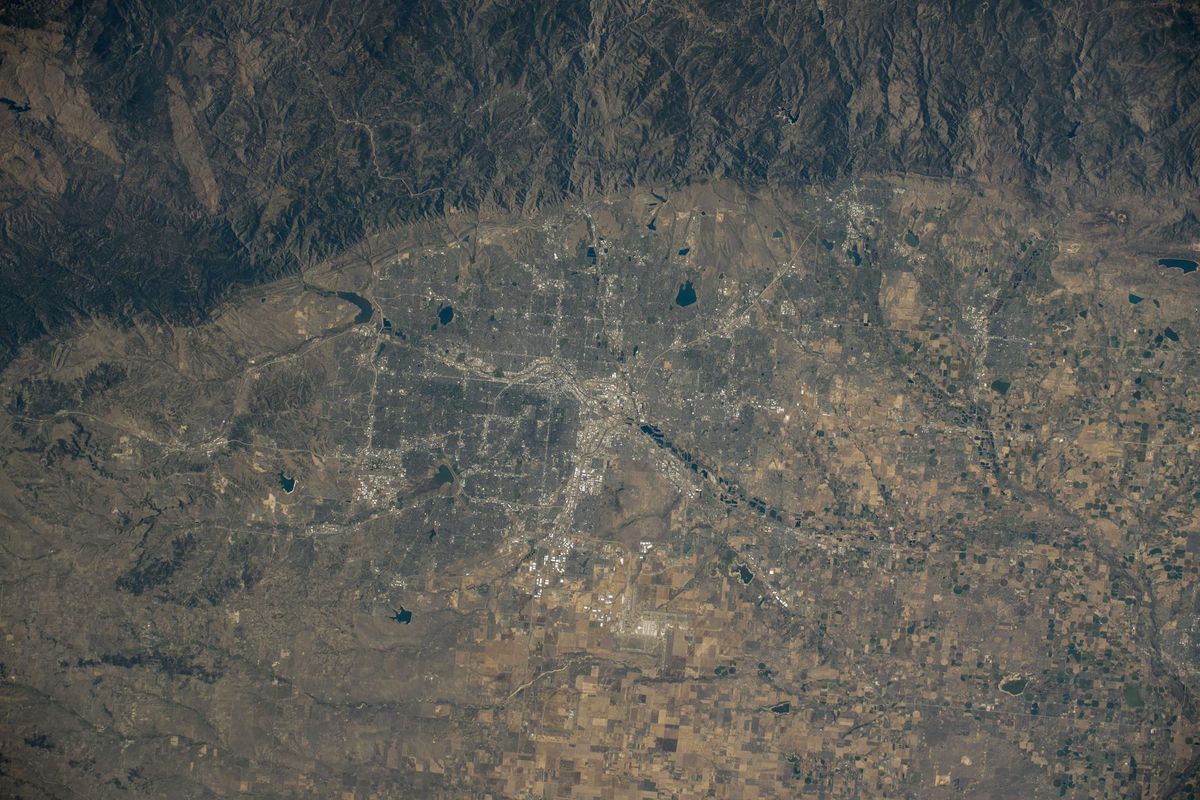
Denver and the Front Range from the International Space Station by day, the city on the plains with the foothills and Continental Divide to the west

Denver and the Front Range from the International Space Station, October 2024. The foothills begin within 15 miles of downtown; the dark plains stretch away at the bottom of the frame. Photo: NASA/Matthew Dominick.

Worth the Drive: Florissant, Westcliffe and the Sangre de Cristos

Two hours south-west, Florissant Fossil Beds National Monument sits in a high meadow at 8,400 feet under a Bortle 3 to 4 sky and runs scheduled night-sky programmes with the Colorado Springs Astronomical Society, which brings its telescopes to the visitor centre lawn. Forty-five minutes beyond that, the twin towns of Westcliffe and Silver Cliff in the Wet Mountain Valley became Colorado's first International Dark Sky Community in 2015, with the Sangre de Cristo range as a 14,000-foot wall across the western sky and a public observatory, Smokey Jack, in the middle of town. Another hour south, Great Sand Dunes National Park and Preserve was certified a Dark Sky Park in 2019. These are weekend destinations rather than evenings, and all three are written up in depth in our Colorado stargazing guide, so this page leaves them at the county line.

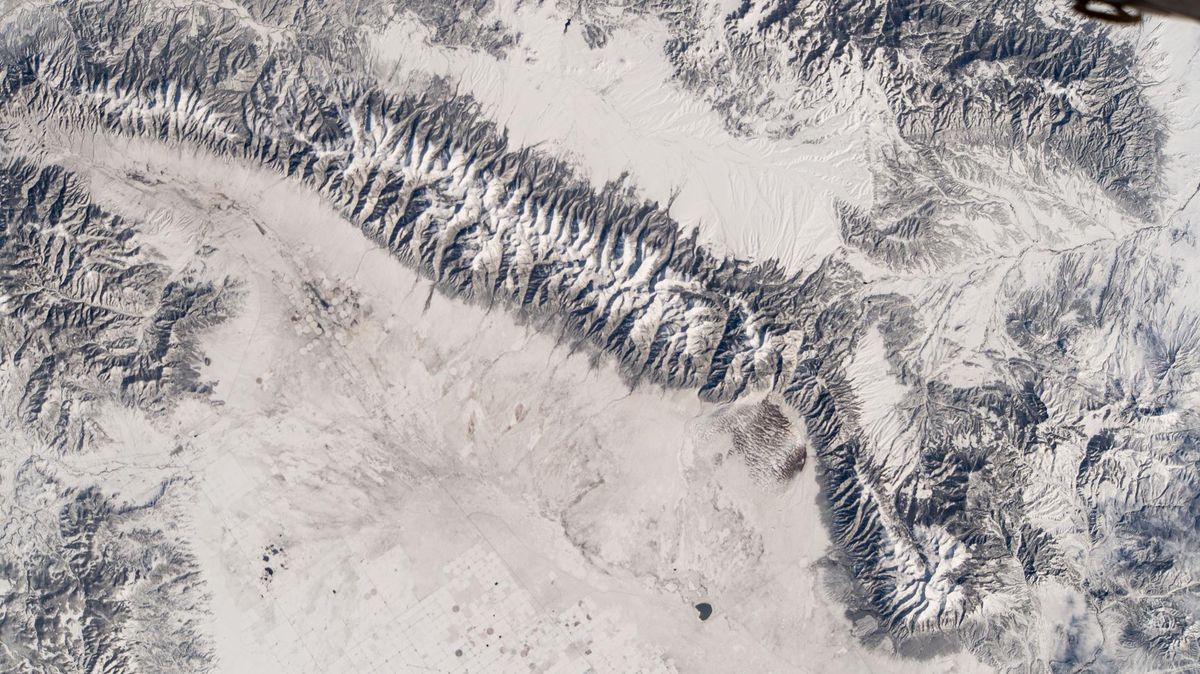
The snow-covered Sangre de Cristo range in southern Colorado photographed from the International Space Station

The Sangre de Cristo range in snow, from a camera on the International Space Station in October 2020. Westcliffe sits in the valley on the near side; Great Sand Dunes is the dark patch at the foot of the range. Photo: NASA.

When to Go: Denver Stargazing Month by Month

Denver's sky is clear far more often than it is cloudy, which makes the season less about finding a clear night and more about matching the site to the weather: plains in winter when the passes are closed, mountains in summer when the plains are hot, and any direction behind a dry cold front.

MonthsConditionsWhere to GoWhat to See
September – NovemberThe best months: monsoon over, passes still open, crisp dry nights, aspen by dayPawnee, Guanella Pass, Jackson LakeSummer Milky Way setting in the south-west, Andromeda rising, Orionids October 21–22
December – FebruaryVery clear and very cold; high passes closed; Chinook winds can bring warm clear nightsPlains sites, Golden Gate Canyon, ChamberlinOrion Nebula, Pleiades, Geminids December 13–14
March – MaySpring snowstorms alternate with clear spells; mud on the grassland roadsJackson Lake, Sandstone Ranch, CU open housesGalaxy season in Leo and Virgo
June – AugustAfternoon thunderstorms most days in July and August, clearing after dark; cool nights at altitudeRMNP astronomy nights, Guanella Pass, Kenosha PassMilky Way core overhead, Perseids August 12–13

Our 2026 astronomy events calendar lists the new-Moon dates; once you have one, two checks the afternoon before decide the site: the lightning forecast in summer and the pass status in winter. Colorado's altitude makes afternoon storms the main summer hazard, and they usually clear by 9 pm.

What to Bring at a Mile High and Above

  • More layers than you think. A 70-degree September afternoon in Denver is a 30-degree night on Guanella Pass and a windy 40 on the grassland. Winter nights on the plains go well below zero with wind chill.
  • Water and a slower pace. Altitude dehydrates and dims night vision. Drink more than feels necessary and give your eyes a full 30 minutes to adapt, longer above 9,000 feet.
  • Lightning awareness in summer. If storms are still building at dusk, wait them out below treeline. A tripod on an open pass is the worst place to be.
  • Chains or snow tyres and the pass status from November to May. Guanella and Mount Blue Sky close for the season; Interstate 70 closes without notice in storms.
  • Sandbags or a low-profile scope for the wind, especially on the Pawnee and at Jackson Lake.
  • A red headlamp, a state parks pass and reservations. Golden Gate Canyon and Jackson Lake need both; Chamberlin public nights and RMNP astronomy nights need a ticket or a park pass.
  • Fire-ban awareness. No campfires or charcoal on the grassland or in the national forest during restrictions, which cover most of summer in dry years.

Best Telescopes and Binoculars for Front Range Skies

Thin, dry air rewards aperture and punishes flimsy mounts. Denver's sites are drive-up, so weight is less of a concern than wind resistance and how quickly a telescope cools to a 30-degree night, which is where open-tube Dobsonians win.

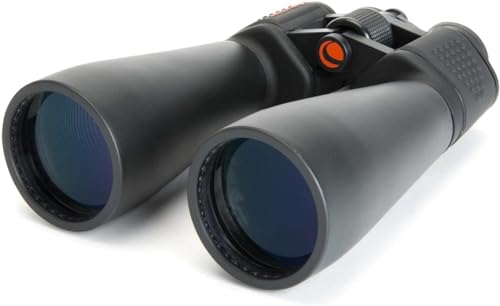
Celestron SkyMaster 15x70 binoculars

Celestron SkyMaster 15x70

For the pass and the open house

Big enough to show the Milky Way's star clouds from Guanella Pass and Jupiter's moons from a Lakewood backyard, and the right thing to hold in the Chamberlin queue.

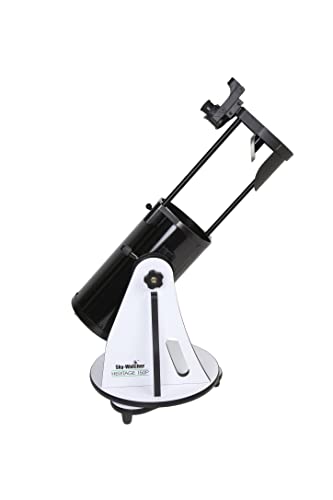
Sky-Watcher Heritage 130P tabletop Dobsonian

Sky-Watcher Heritage 130P

For Golden Gate Canyon and Jackson Lake

A 5-inch collapsible Dobsonian that cools fast, sits low out of the wind on a picnic table, and from Jackson Lake it turns globular clusters into swarms of individual stars.

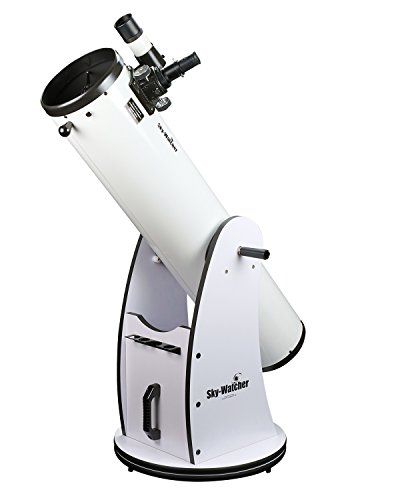
Sky-Watcher Classic 200P 8-inch Dobsonian

Sky-Watcher Classic 200P (8")

For the Pawnee and South Park

The 8-inch that a Bortle 2 prairie night deserves: galaxy arms, planetary nebulae in colour, and a solid tube that stands up to the grassland wind with a sandbag on the base.

For a Highlands Ranch or Arvada backyard under the Front Range glow, the best telescopes for urban stargazing guide picks the instruments that still perform at Bortle 7 to 8, and if you are chasing the aurora on the plains, the Colorado northern lights guide covers where and when.


🔭

Not sure which telescope suits a mile-high sky?

Tell the Finder Tool your budget, whether you observe from a Front Range backyard or drive out to the grassland, and what you want to see. It recommends a specific model in under two minutes.

Find My Telescope →

Astronomy Clubs and Public Programmes Around Denver

The Denver Astronomical Society runs the Chamberlin Observatory open houses and public nights, the Standley Lake and Sandstone Ranch star parties, and the members-only Kline-Dodge Dark Sky Site near Deer Trail, which on its own is reason to join: a Bortle 3 sky with concrete pads and power, 60 miles from downtown. The University of Colorado opens Sommers-Bausch Observatory on Fridays in term and runs the Fiske Planetarium. The Colorado Springs Astronomical Society staffs the Florissant Fossil Beds night-sky programmes and hosts the Rocky Mountain Star Stare each June. The Little Thompson Observatory in Berthoud and the Estes Park Memorial Observatory hold public nights, Rocky Mountain National Park runs Astronomy in the Park each summer, and DarkSky Colorado coordinates the state's certifications, including the twelve state parks now working toward them. For contact details and other Colorado clubs, see our US astronomy club directory, and if your group is missing you can submit it here.


Continue Exploring

Keep the session going with the next useful answer

Choose the next page based on whether you need a recommendation, a comparison, or a practical observing plan.

Use Finder Tool →

🎄 Holiday season: Telescope Christmas Gift Guide 2026 · Black Friday deal tracking

Denver Stargazing FAQ

Can you see the Milky Way from Denver?

Not from inside the metro, which sits under a Bortle 8 sky. The closest reliable view is Golden Gate Canyon State Park, an hour west, on a moonless night; the best view within two hours is the Pawnee National Grassland to the north-east, where the Bortle 2 to 3 sky shows the Milky Way from horizon to horizon.

Is it better to go to the mountains or the plains for stargazing near Denver?

Close in, the plains. The Front Range glow pours up every canyon, so a foothills site 30 miles west is often no darker than Bortle 5, while a plains site 40 miles east reaches Bortle 3. Go east for the Milky Way and galaxies, west for the steadiest planetary views and summer coolness, and remember that above 10,000 feet thin air dims your night vision.

Is Chamberlin Observatory open to the public?

Yes. The Denver Astronomical Society holds a free monthly Open House on the lawn at dusk with members' telescopes, and ticketed Public Nights inside the dome at the 20-inch 1894 refractor, typically 8:30 to 11 pm. Tickets sell out; 70 percent are released two months ahead and the rest on the first of the month.

What is the best time of year for stargazing in Denver?

September through November. The summer monsoon is over, the high passes are still open, the nights are crisp and dry and the Milky Way core is still up at dusk. Winter nights are even clearer but the passes close, so the plains sites take over. July and August have afternoon thunderstorms most days, but they usually clear by 9 pm and the mountain nights are cool.

Which parks near Denver are certified dark sky places?

Golden Gate Canyon State Park, an hour west, became Colorado's first Urban Night Sky Place in September 2026, and Jackson Lake State Park, 90 minutes north-east, has been an International Dark Sky Park since 2020. Further out, Westcliffe and Silver Cliff have been a Dark Sky Community since 2015 and Great Sand Dunes a Dark Sky Park since 2019.

Does Rocky Mountain National Park have stargazing programmes?

Yes. Astronomy in the Park runs on summer Friday nights at the Park and Ride on Bear Lake Road, 8:30 to 11 pm, with ranger talks and volunteer telescopes. The 2026 dates were June 5 and 12, July 10 and August 7 and 14. Timed-entry permits are not required after 6 pm, and a park pass is.

Related Guides