Miami Stargazing: Where to See Stars in South Florida
Telescope Advisor Logo Telescope Advisor
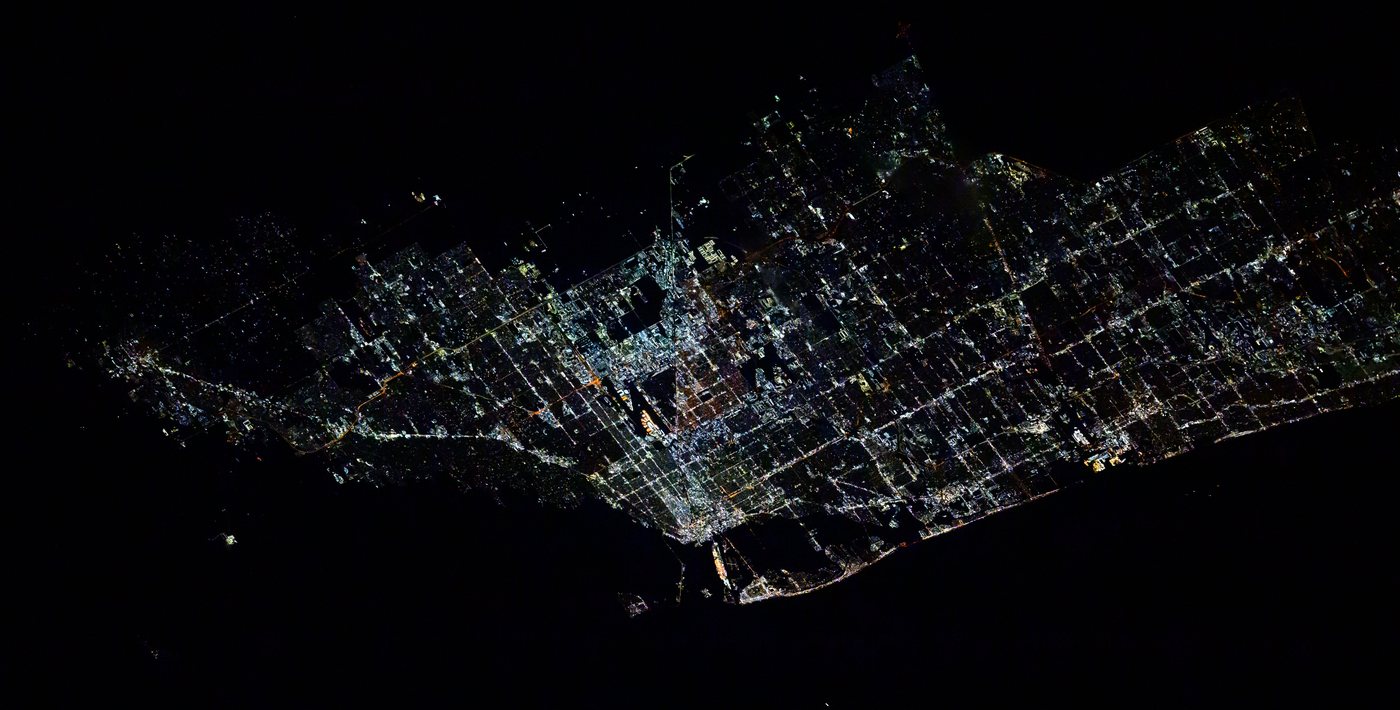
Miami and its suburbs at night from the International Space Station, a grid of white and orange street lights ending abruptly at the black Atlantic shoreline

Stargazing Destination Guide · Miami, Fort Lauderdale and the Palm Beaches

Miami Stargazing: Where to See the Stars in South Florida (2026)

Six million people live on a ribbon of land squeezed between the Atlantic and the Everglades, and from the city the night sky is a dull orange lid. Yet South Florida has a secret most visitors never learn: the far side of that ribbon is one of the darkest wildernesses in the eastern United States, and the latitude is far enough south to show stars that no one in New York or Chicago will ever see. This guide to stargazing in Miami, Fort Lauderdale and the Palm Beaches covers the free weekly star parties in the suburbs, the Everglades and Big Cypress after dark, the islands of the Lower Keys, and how to plan around the wet season.

Sky DowntownBortle 8–9
Darkest Within 90 MinutesEverglades pinelands, Bortle 3
Free Telescope NightsSaturdays, Palmetto Bay and Sunrise
Best SeasonNovember to April

Photo: Miami and its suburbs from the International Space Station, December 2024. NASA, Expedition 72

By Telescope Advisor Editorial TeamPublished: Updated: Reviewed & approved by Juhi Sahni, Senior Editor Editorial Standards

Miami Stargazing at a Glance

Drive times assume you leave downtown Miami outside rush hour. From Fort Lauderdale, add about 30 minutes to anything in the Everglades or the Keys and subtract 20 from Fox Observatory; from West Palm Beach, the Cox Science Center is on your doorstep and everything else is a long evening. Bortle numbers are our estimates from light-pollution maps and from what local observers report, so treat them as a guide to how the sites compare rather than exact readings.

LocationBortleFrom DowntownAccess After DarkBest For
Bill Sadowski Park, Palmetto Bay730 min southSaturday star partiesAn 18-inch Dobsonian, free, every week
Fox Observatory, Markham Park, Sunrise6–745 min north-westSaturday nightsBroward and Palm Beach observers
Shark Valley, Everglades National Park450 min westRanger programmes onlyFull moon bike rides on the tram road
Long Pine Key, Everglades National Park31 hr 15 min south-westSeasonal campgroundThe Milky Way over the pinelands
Big Cypress National Preserve2–31 hr 10 min westOpen all nightA certified Dark Sky Park on the Tamiami Trail
Flamingo, Everglades National Park2–31 hr 50 min south-westCampground and lodgingA water horizon over Florida Bay
Bahia Honda State Park, Lower Keys32 hr 45 min southOvernight guests onlyThe Southern Cross in spring

A City Built on a Thin Strip of Rock

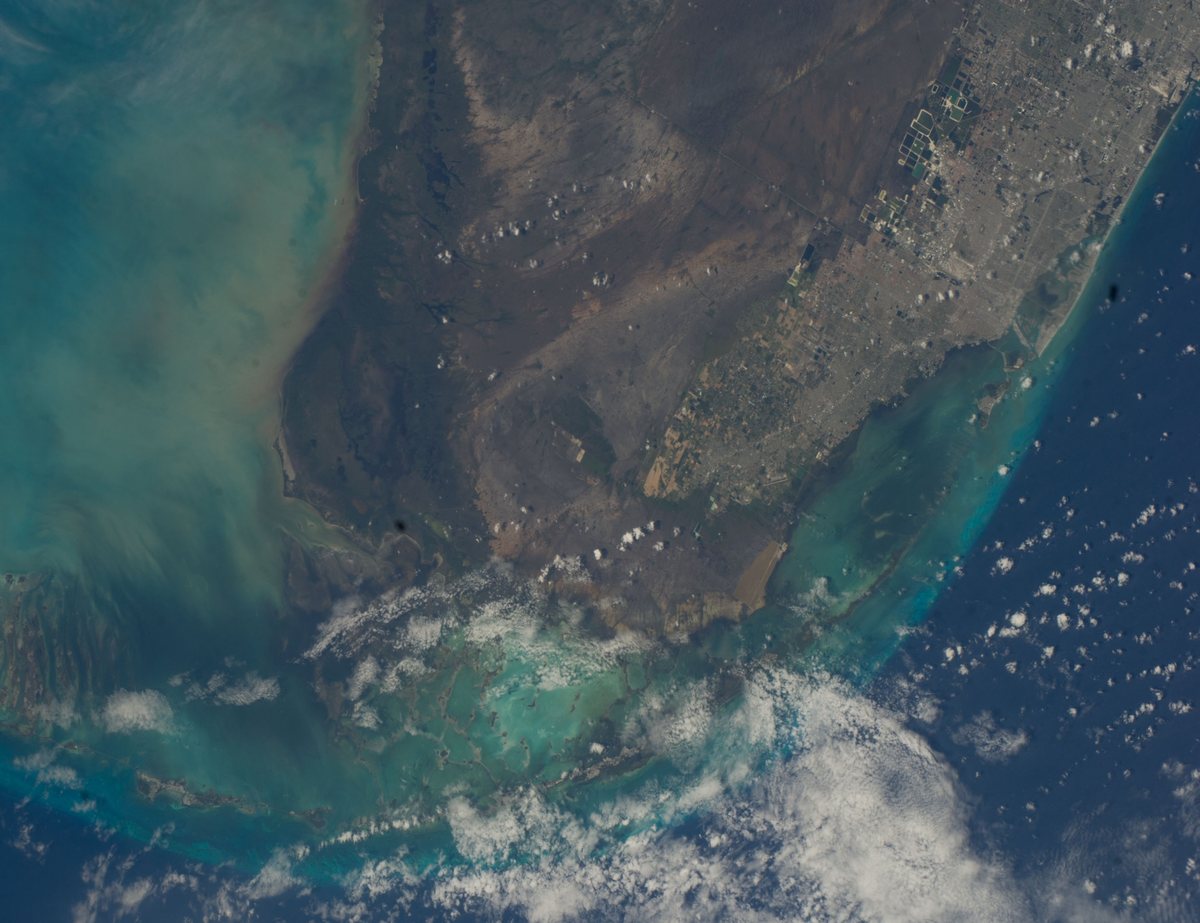
Look at South Florida from orbit and the shape of the problem, and the solution, is obvious. The developed land is a band rarely more than 20 miles wide, running about 100 miles up the Atlantic coast from Homestead through Miami, Fort Lauderdale and Boca Raton to West Palm Beach. Its western edge is not a gradual fade into farmland but a hard line: the levees that hold back the Everglades. Cross that line on the Tamiami Trail or Alligator Alley and within half an hour the lights are behind you, with nothing ahead but sawgrass, cypress and open sky.

That makes Miami unusual among big American cities. In Los Angeles or Chicago the darkness is a two- or three-hour drive away; here a Bortle 3 sky starts within about an hour of downtown, in Everglades National Park and Big Cypress National Preserve, which together protect more than two million acres of wetland. The catch is that the city glow never fully disappears. From anywhere west of Miami the eastern horizon carries a yellow-brown dome, so the trick is to face south and west, where the darkness runs all the way to the Gulf of Mexico.

Latitude is the other thing Miami has that most of the country does not. At about 26 degrees north, the city sees about 8 degrees further into the southern sky than Atlanta, which brings a handful of famous southern stars and clusters above the horizon. Kissimmee Prairie, Kennedy Space Center and Dry Tortugas are covered in our Florida stargazing guide; this page stays within a day trip of Miami.

Southern Florida from the International Space Station, with the grey grid of the Miami area along the Atlantic coast, the brown Everglades to the west and the turquoise shallows of Florida Bay and the Keys below

Southern Florida from the International Space Station in May 2014. The built-up coast from Homestead to Miami runs along the right edge; everything to the west is Everglades and Big Cypress wilderness, with Florida Bay and the Upper Keys at the bottom. Photo: NASA, Expedition 40.

Telescope Nights Inside the Metro

Two of the busiest public observing programmes in the South run every Saturday in the Miami suburbs, both organised by volunteer clubs and both free.

Southern Cross Astronomical Society at Bill Sadowski Park

Founded in 1922, the Southern Cross Astronomical Society has run public nights from the observation deck at Bill Sadowski Park, 17555 SW 79th Avenue in Palmetto Bay, since 1986. Star parties run on Saturday evenings from dusk to about 10 pm, weather permitting, and are free and open to everyone; the society reports more than 2,200 visitors a year. The main instrument is an 18-inch Dobsonian, which the club describes as the largest telescope open to the public in Miami-Dade. On the Saturday closest to each new Moon the group moves south to its darker D'Auria Observatory near Homestead for a New Moon Star Party instead, so check the calendar before driving. Leave lasers, white lights, alcohol and pets at home.

South Florida Amateur Astronomers Association at Fox Observatory

In Broward County, the South Florida Amateur Astronomers Association opens Fox Observatory, inside Markham Park at 16001 West State Road 84 in Sunrise, every Saturday night. The doors open around sunset and close at about 10:30 pm in winter and 11:30 pm in summer, and members set up their own telescopes on the grounds alongside the observatory's. Markham Park sits right against the Everglades levee on the western edge of the metro, so its sky is noticeably better than the coast's. The club advises calling the observatory on 954-384-0442 before a trip to check conditions.

Frost Planetarium and the Cox Science Center

Downtown, the Frost Planetarium at the Phillip and Patricia Frost Museum of Science seats 250 under a 67-foot dome tilted at 23.5 degrees, with an 8K projection system, and runs monthly laser evenings alongside its science shows. Show reservations are made on the day at the museum. Up the coast in West Palm Beach, the Cox Science Center and Aquarium houses the Marmot Observatory, whose new 10-inch f/11 refractor is one of the largest refracting telescopes in the state. Its regular sessions are free daytime tours with solar viewing, with limited tickets from the admissions desk; night viewing is limited to group bookings and special evening events.

Top Pick: Darkness an Hour From Downtown

Long Pine Key and the Everglades Pinelands

The nearest truly dark sky to Miami is in the slash-pine forest of Everglades National Park, about an hour and a quarter from downtown through Homestead and Florida City. Past the Ernest F. Coe Visitor Center the main park road runs west into the pinelands, and around Long Pine Key and Pine Glades Lake the city is far enough behind that the Milky Way shows plainly overhead on a dry-season night. The National Park Service says the park offers superbly dark conditions around each new Moon, and its winter calendar includes new-Moon stargazing events led by rangers, sometimes with telescopes, which need no reservation.

Long Pine Key Campground is the way to stay out after dark: it is a seasonal campground that opens for the winter dry season, with some sites first come, first served. Face south and west, where the galactic centre hangs low over the wilderness; the Miami glow sits on the north-eastern horizon. Each February the park runs a month of night-sky events, which in 2026 ended with a Dark Sky Festival at Flamingo on February 21 with telescope viewing and a night photography workshop. Bring a red light, long sleeves and insect repellent even in winter, and check the park calendar for the season's programme.

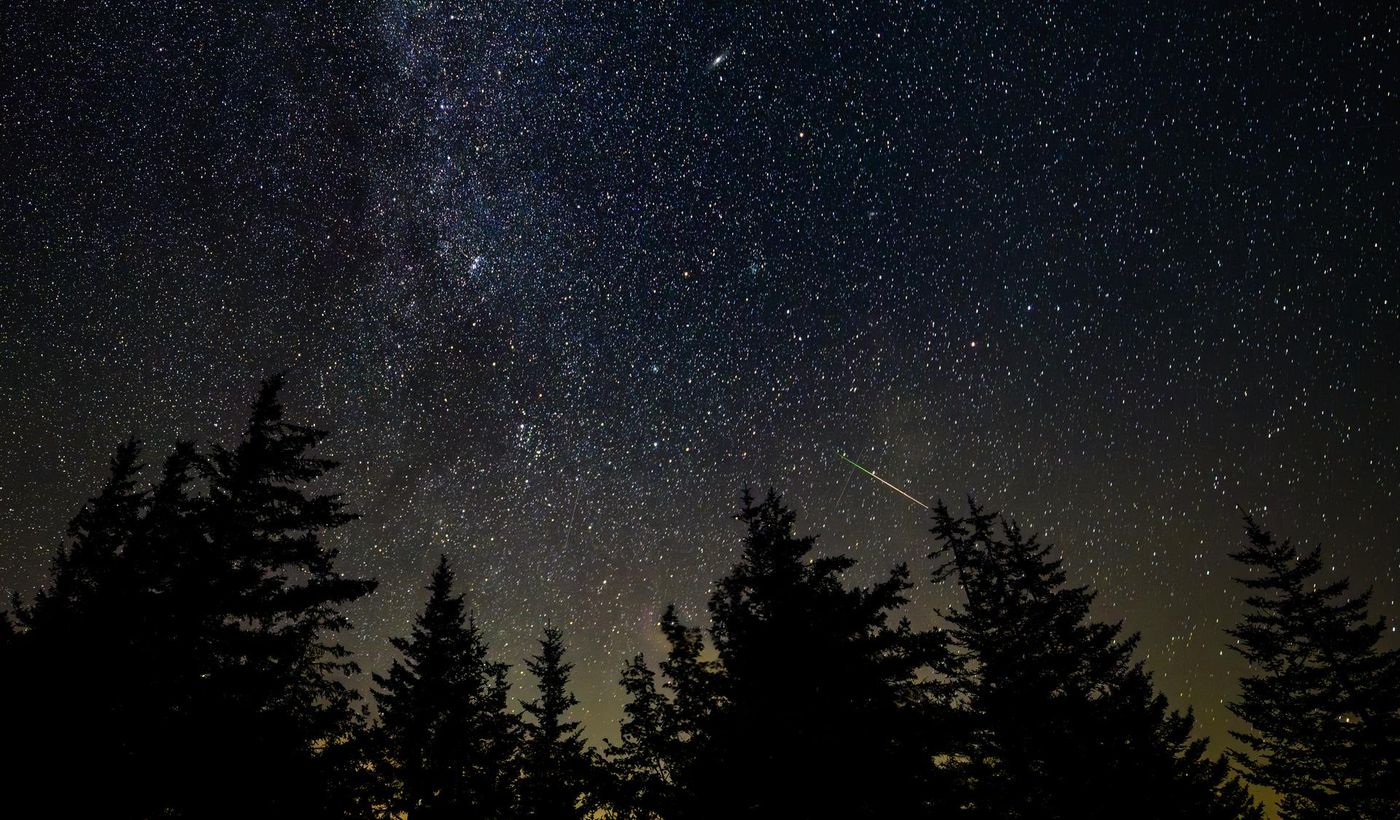
The Milky Way and a meteor above a dark line of pine trees, like the view from the Everglades pinelands near Long Pine Key on a clear winter night

Photo: NASA/Bill Ingalls

West: Big Cypress and the Tamiami Trail

Drive west on US 41, the Tamiami Trail, and you pass Shark Valley after about 50 minutes. The Shark Valley entrance closes in the evening, but the park has run ranger-led full-moon bike rides along its tram road, a very different way to see the Everglades after dark. Twenty minutes further on, the road enters Big Cypress National Preserve, which in October 2016 became the first National Park Service unit east of Colorado to be certified an International Dark Sky Park. Unlike the national park, the preserve is open for stargazing from sunset to sunrise all year, with no reservation and no programme fee.

The Park Service recommends watching from a developed spot with minimal lighting rather than heading into the swamp: a boardwalk, a parking area or a grassy field. The lawn behind the Nathaniel P. Reed Visitor Center, on the Tamiami Trail about an hour and a half from downtown, is an easy first stop, and preserve staff have run winter astronomy talks there between December and March. The preserve's darkness was the subject of a fight in 2025, when DarkSky International warned that the floodlit detention centre built at the Dade-Collier airstrip threatened it; the facility closed in June 2026. For the preserve's campgrounds and the Gulf-side view, see the Florida guide.

South: Flamingo, the Keys and the Winter Star Party

At the end of the 38-mile main park road, Flamingo looks out across Florida Bay with nothing but water and mangrove islands to the south, the best low southern horizon on the mainland. It is nearly two hours from downtown, so plan to stay at the campground or the lodge rather than drive back in the dark. Down the Overseas Highway, the Keys trade the swamp for open sea. Florida State Parks calls Bahia Honda State Park, between Marathon and Big Pine Key, the darkest place to stargaze in the Keys, but the park closes at sunset, so the night sky belongs to campers and overnight marina guests, who can walk up the open section of the Old Bahia Honda Bridge or out along the beach.

Next door on West Summerland Key, the Southern Cross Astronomical Society hosts the Winter Star Party, one of the best-known amateur gatherings in the country, which has run for more than 40 years. The society describes the site's sky as Bortle 3. The 2027 event runs from February 1 to 7, 2027, with registration open from October 1, 2026, to February 5, 2027; it is a registered, multi-night camp, not a drop-in evening. Even without it, a February or March weekend in the Lower Keys is the most reliable way for a Miami observer to see the deep southern sky.

Southern Stars You Can See From Miami

Every degree of latitude south lifts another degree of sky above the southern horizon, and South Florida is as far south as the continental United States goes. Four sights reward a clear southern horizon, ideally over water or the Everglades:

  • Canopus, the second-brightest star in the night sky, reaches about 11 degrees above the horizon from Miami, due south on February evenings below Sirius. Most Americans never see it at all.
  • Omega Centauri, the largest globular cluster in the Milky Way, climbs to about 17 degrees on April and May evenings. In binoculars it is a fuzzy ball; in an 8-inch telescope it breaks into thousands of stars.
  • The Southern Cross (Crux) clears the horizon on spring nights, highest around midnight in mid-April and in the late evening in May. From Miami the bottom star, Acrux, barely scrapes the horizon, so the full cross is a Keys sight, where it stands a few degrees higher.
  • Alpha Centauri, the nearest star system to the Sun, rises only about 3 degrees above the horizon from Miami and a little more from the Keys. You need a perfectly flat sea horizon and very clear air.

Low stars are dimmed and reddened by the thick air near the horizon, so pick a dry night after a cold front, when the haze is swept out, and give your eyes time to adapt.

When to Go: South Florida by Season

South Florida has two seasons that matter to an astronomer, and they are nothing like the four seasons of the north. The dry season is short-sleeve observing under clear skies; the wet season is thunderstorms, haze and mosquitoes.

MonthsConditionsWhere to GoWhat to See
November – JanuaryDry season begins; cold fronts bring the clearest, steadiest nights; Everglades campgrounds openLong Pine Key, Big Cypress, FlamingoOrion, the Pleiades, the Geminids December 13–14
February – AprilStill dry; Everglades night-sky month in February; Winter Star Party in the KeysThe Keys, Flamingo, the EvergladesCanopus, Omega Centauri, the Southern Cross
May – JuneHumidity climbs; wet season starts late May; afternoon storms, mosquitoes risingThe Saturday star parties; Keys sea horizonsThe Southern Cross in the late evening, the Milky Way core rising
July – OctoberHot and humid; storms usually clear after dark but leave haze; hurricane season; heavy mosquitoes in the EvergladesFox Observatory and Sadowski ParkSaturn and Jupiter, the Perseids August 12–13

Choose a moonless weekend with our 2026 astronomy events calendar, and watch for the first strong cold front of November: the night behind it is often the best of the year.

What to Bring in South Florida

  • Serious insect protection. Repellent, long sleeves and a head net for any Everglades or Big Cypress night, and a screened tent if you are camping.
  • A dew shield or heater. Humidity coats optics within an hour on many nights; our guide to dew heaters and dew shields explains the options.
  • A light jacket in winter. Clear nights behind a cold front feel surprisingly cold in the open Everglades, especially after midnight.
  • Park entry and camping reservations. Everglades and Bahia Honda campsites fill on dry-season weekends.
  • A full tank and water. The Tamiami Trail and the main Everglades road have long stretches with no services or phone signal.
  • A red headlamp for the Saturday star parties, where white light ruins everyone else's night vision.

Best Telescopes and Binoculars for Miami Skies

Miami observers need equipment that copes with salt air and humidity, packs into a car for the run to the Everglades, and makes the most of objects low in the south. Simple, sturdy designs do best.

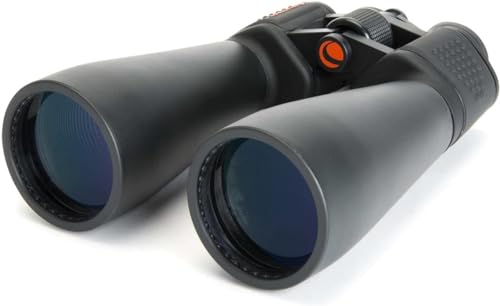
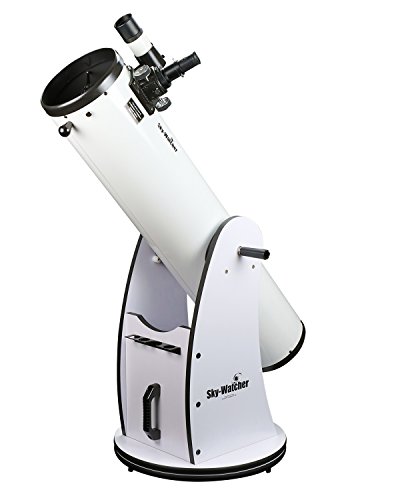
Celestron SkyMaster 15x70 binoculars

Celestron SkyMaster 15x70

For Omega Centauri and Canopus

Big binoculars turn the low southern clusters into easy targets from a Keys beach, with no setup to fight the dew.

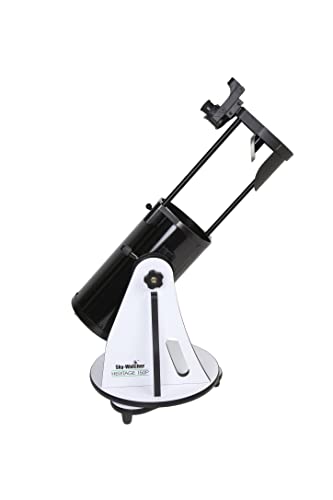
Sky-Watcher Heritage 130P tabletop Dobsonian

Sky-Watcher Heritage 130P

For a Long Pine Key campsite

A 5-inch collapsible scope that sits on a picnic table, with almost nothing to corrode, and stows in a small trunk.

Sky-Watcher Classic 200P 8-inch Dobsonian

Sky-Watcher Classic 200P (8")

For Big Cypress and Flamingo

Eight inches of aperture resolve Omega Centauri into stars and pull faint galaxies out of a Bortle 3 sky.

For a condo balcony in Brickell or a backyard in Coral Gables, our urban stargazing telescope picks are chosen for a bright coastal sky, where the Moon and planets are the main targets.


🔭

Which telescope suits a humid Miami balcony and a night in the Everglades?

Tell the Finder Tool your budget, where you plan to observe and what you most want to see. It recommends a specific model in under two minutes.

Find My Telescope →

Astronomy Clubs and Programmes in South Florida

In Miami-Dade, the Southern Cross Astronomical Society runs the Saturday nights at Bill Sadowski Park, the new-Moon nights at its D'Auria Observatory and the Winter Star Party in the Keys. In Broward, the South Florida Amateur Astronomers Association runs Fox Observatory in Markham Park and holds its monthly meeting on the first Thursday. In Palm Beach County, the Cox Science Center and Aquarium runs the Marmot Observatory and daytime solar sessions. Everglades National Park and Big Cypress National Preserve rangers lead the winter night-sky programmes in the parks, often with club volunteers. The astronomy club directory lists Florida clubs and those in every other state, and South Florida groups that are missing can add their details.


Continue Exploring

Keep the session going with the next useful answer

Choose the next page based on whether you need a recommendation, a comparison, or a practical observing plan.

Use Finder Tool →

🎄 Holiday season: Telescope Christmas Gift Guide 2026 · Black Friday deal tracking

Miami Stargazing FAQ

Where can you see the stars near Miami?

The nearest dark sky is in Everglades National Park around Long Pine Key, about an hour and a quarter from downtown, where the Milky Way is visible on dry-season nights. Big Cypress National Preserve on the Tamiami Trail is a certified Dark Sky Park about 70 minutes west, and Flamingo and the Lower Keys are darker still but further away.

Where can I look through a telescope for free in Miami?

The Southern Cross Astronomical Society holds free star parties on Saturday evenings at Bill Sadowski Park in Palmetto Bay, with an 18-inch Dobsonian. In Broward County, the South Florida Amateur Astronomers Association opens Fox Observatory in Markham Park, Sunrise, every Saturday night from around sunset.

Can you see the Southern Cross from Miami?

Only just. On spring nights the Southern Cross rises a few degrees above the southern horizon from South Florida, highest around midnight in mid-April. From Miami its bottom star barely clears the horizon, so the Florida Keys, with a flat sea horizon and a slightly lower latitude, give a much better view.

Is the Everglades open at night for stargazing?

The practical way to stargaze in Everglades National Park is to camp at Long Pine Key or Flamingo, or to join a ranger-led night programme; the park runs new-Moon stargazing events in winter and a month of night-sky events every February. Nearby Big Cypress National Preserve is open for stargazing from sunset to sunrise all year.

When is stargazing season in South Florida?

November to April, the dry season. Cold fronts bring clear, low-humidity nights, the mosquitoes ease off and the Everglades campgrounds are open. From late May to October afternoon thunderstorms, haze and insects make the wilderness sites hard work, so stick to the Saturday star parties.

Is Bahia Honda good for stargazing?

Yes. Florida State Parks calls it the darkest stargazing spot in the Florida Keys, about two and three-quarter hours from Miami. The park closes at sunset to day visitors, so you need to camp or stay overnight at the marina to observe there.

Related Guides