Albuquerque Stargazing: Dark Sky Sites Near the Duke City
Telescope Advisor Logo Telescope Advisor
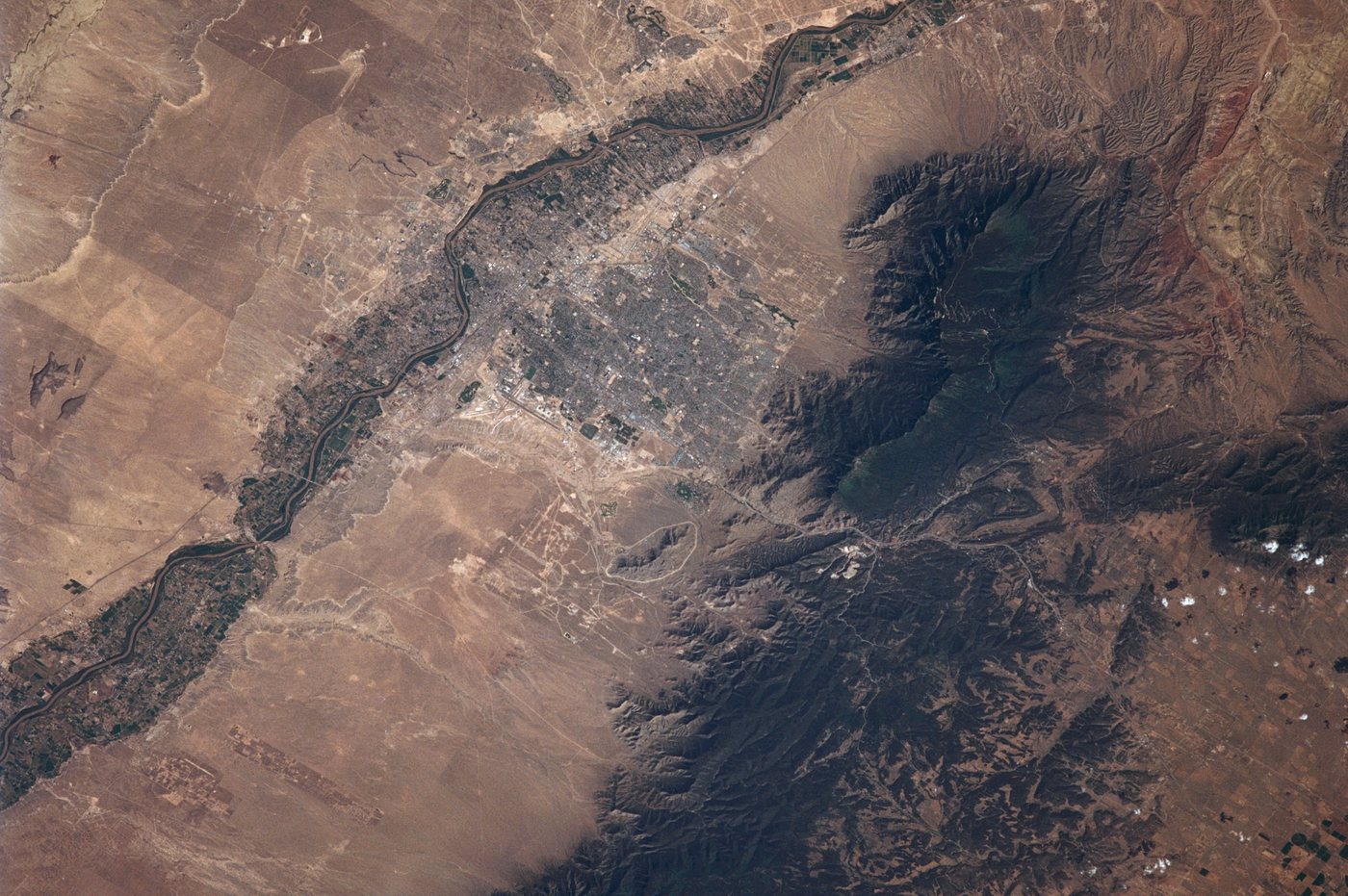
Albuquerque from orbit: the grey grid of the city along the green ribbon of the Rio Grande, with the dark, forested Sandia Mountains rising beside it

Stargazing Destination Guide · Albuquerque and the Middle Rio Grande

Albuquerque Stargazing: Dark Sky Sites Near the Duke City (2026)

New Mexico has a reputation as one of the best stargazing states in the country, and Albuquerque sits in the middle of it. Within a long day's drive of the city there are four certified Dark Sky Parks, a volcanic caldera, a ring of Spanish mission ruins and the canyon where Ancestral Puebloans tracked the Sun and Moon a thousand years ago. Inside the city there is a free telescope night every Friday of the semester and the world's first Urban Night Sky Place. This guide covers where to go from Albuquerque, Rio Rancho and Los Lunas, how dark each site really is, and the 2026 closures and road problems that change the plan.

Sky in the CityBortle 7–8
Certified Night Sky PlacesFour Dark Sky Parks and one Urban Night Sky Place
Free Telescope NightsFridays at the UNM Observatory, fall and spring
Best SeasonOctober and November

Photo: Albuquerque and the Rio Grande from Space Shuttle Columbia, June 1991. NASA, STS-40

By Telescope Advisor Editorial TeamPublished: Updated: Reviewed & approved by Juhi Sahni, Senior Editor Editorial Standards

Albuquerque Dark Sky Sites Compared

Drive times are approximate and measured from the Big I, where Interstates 25 and 40 cross; from Rio Rancho add a few minutes to the southern sites and save twenty on the way to the Jemez, and from Los Lunas take half an hour off the trips to Salinas. Bortle values are our estimates from light-pollution mapping, so treat them as a guide rather than a measurement. The certifications are from DarkSky International, as announced by the agencies that run each site.

SiteBortleDriveCertificationWhy Go
UNM Observatory, Yale Boulevard810 min—Free Friday open houses with club telescopes
Valle de Oro National Wildlife Refuge720 min southUrban Night Sky Place (2019)Occasional star parties in the South Valley
Salinas Pueblo Missions: Abo and Quarai3About 1 hr 15 min south-eastDark Sky Park (2016)Mission ruins under a rural sky
Salinas Pueblo Missions: Gran Quivira2–3About 1 hr 50 min south-eastDark Sky Park (2016)The most remote of the three units
Valles Caldera, Highway 4 pullouts2About 1 hr 50 min north-westDark Sky Park (2021)A huge grassland bowl with an open horizon
El Morro National Monument2About 2 hr westDark Sky Park (2019)A sandstone bluff and a quiet campground
Chaco Culture National Historical Park1–23 hr 30 min or more, south road only in 2026Dark Sky Park (2013)Archaeoastronomy and the darkest sky on this list

A City Laid Out Along a Rift Valley

Seen from orbit, Albuquerque is a grey grid stretched along the Rio Grande, which runs through the city in a narrow band of cottonwood forest called the bosque. The valley is part of the Rio Grande Rift, a place where the continent is slowly pulling apart, and its eastern wall is the Sandia Mountains, which rise abruptly above the city's north-east heights. On the other side the land climbs gently to the West Mesa, where Rio Rancho has spread across the high desert. The metro area therefore lights a long north–south strip from Bernalillo down to Belen, with darkness pressing in from both sides.

That shape matters for observing. Head east through Tijeras Canyon or south-east toward the Manzano Mountains and the Sandias and Manzanos quickly block the city glow. Head west across the mesa and the lights fade into open range within half an hour. The high, dry air is the region's other advantage: on a clear autumn night the sky above the Rio Grande Valley is crisp and steady, and the rural sites listed below are dark enough to show the Milky Way casting faint shadows.

Our New Mexico stargazing guide covers the state's long-haul destinations: the Sacramento Mountains near Cloudcroft, the Taos area and the Very Large Array on the Plains of San Agustin. This page sticks to what an Albuquerque resident can reach in an evening or a weekend.

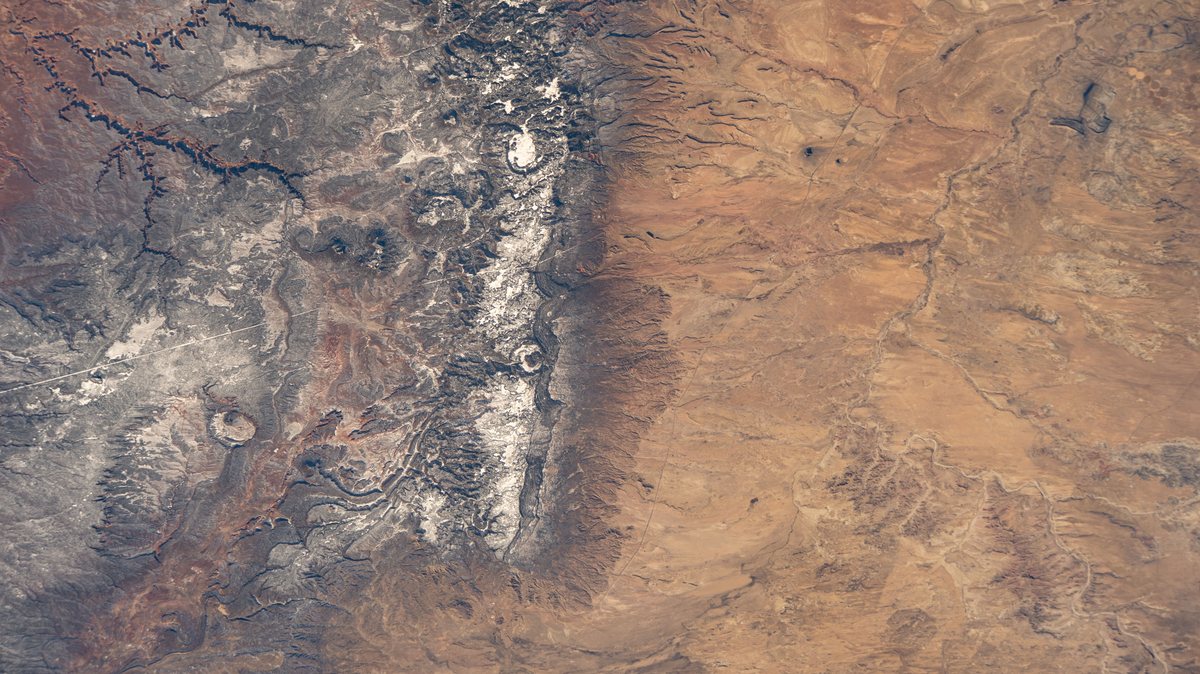
The Chuska Mountains of the Navajo Nation in north-western New Mexico, a snow-dusted ridge between red desert plateaus, photographed from the International Space Station

The Chuska Mountains of the Navajo Nation in north-western New Mexico, photographed from the International Space Station in December 2020. This is the empty high-desert country that surrounds Chaco Canyon, the darkest site in this guide. Photo: NASA, Expedition 64.

Free Telescope Nights in Albuquerque

You do not need to leave the city to look through a good telescope. Albuquerque has one of the larger amateur astronomy clubs in the country, and its volunteers put scopes on the street most weeks of the school year.

UNM Observatory Friday open houses

During the fall and spring semesters, the University of New Mexico's campus observatory, north of Lomas Boulevard on Yale, holds a public open house on Friday nights, and members of The Albuquerque Astronomical Society set up their own telescopes in the parking lot beside it. The open houses resumed for the fall 2026 semester, running from 8 to 10 pm until the clocks change. Weather decides each session: the club and the observatory post OPEN or CLOSED at 3 pm each Friday. Park in the surrounding streets and lots. Under the campus lights the targets are the Moon, planets, double stars and bright star clusters, which are exactly the objects a first-time visitor wants to see.

The Albuquerque Astronomical Society

TAAS has more than 700 members, and much of its programme is open to anyone. Its general meetings at Regener Hall on the UNM campus are free and public, preceded by an Astronomy 101 talk aimed at beginners. Each autumn it holds the Cosmic Carnival at the city's Open Space Visitor Center, 6500 Coors Boulevard NW, with afternoon exhibits and an evening star party that is free to all; the 2026 edition took place on October 17. Members also have the use of the General Nathan Twining Observatory, the club's dark-sky facility south of Belen, about 45 miles from the Big I, which houses a 16-inch Newtonian among several large telescopes. Joining the club is the way to observe there.

Valle de Oro, the first Urban Night Sky Place

In October 2019, Valle de Oro National Wildlife Refuge in the South Valley became the first site in the world to be named an Urban Night Sky Place, a designation for places inside or beside a city that manage their lighting to protect the night. The refuge uses only fully shielded, warm-coloured fixtures of 3000 Kelvin or less. The sky there is still suburban, so do not expect the Milky Way, but it is a place to show children what thoughtful lighting does. The refuge's gate normally opens an hour before sunrise and closes an hour after sunset, so night visits happen at its events, which have included star parties and a December luminaria walk run with TAAS. Check the refuge events calendar.

The planetarium in Old Town

For a cloudy evening or a hot afternoon, the New Mexico Museum of Natural History and Science, at 1801 Mountain Road NW in Old Town, has a planetarium alongside its dinosaur halls. The museum opens from 9 am to 5 pm every day except Tuesday.

Top Pick: A Volcano Full of Stars

Valles Caldera National Preserve

High in the Jemez Mountains, the Valles Caldera is the collapsed crater of an ancient supervolcano, and its floor is a vast grassland ringed by forested domes. The preserve was certified as an International Dark Sky Park in 2021. Its great strength for stargazers is the Valle Grande, a meadow so wide that the horizon is unobstructed in almost every direction, with the Albuquerque and Santa Fe glows hidden behind the surrounding peaks. Expect a Bortle 2 sky on a clear, moonless night, with the summer Milky Way bright enough to look textured.

Plan around the gates. The main entrance admits vehicles from 9 am to 5 pm (8 am to 6 pm between Memorial Day and Labor Day), and the pedestrian gates are open from dawn to dusk. For independent viewing after dark, the preserve points visitors to the pullouts along State Highway 4, which overlook the Valle Grande. For a guided night, rangers and partners run programmes every month, including stargazing and astrophotography sessions near new Moon and full-Moon hikes, all listed on the preserve's night-sky page. There is no running water in the preserve, and at this altitude even a July night turns cold, so pack water, a warm jacket and a camp chair. The drive from Albuquerque runs through Bernalillo, San Ysidro and the red cliffs of Jemez Springs, so leave before sunset to see it.

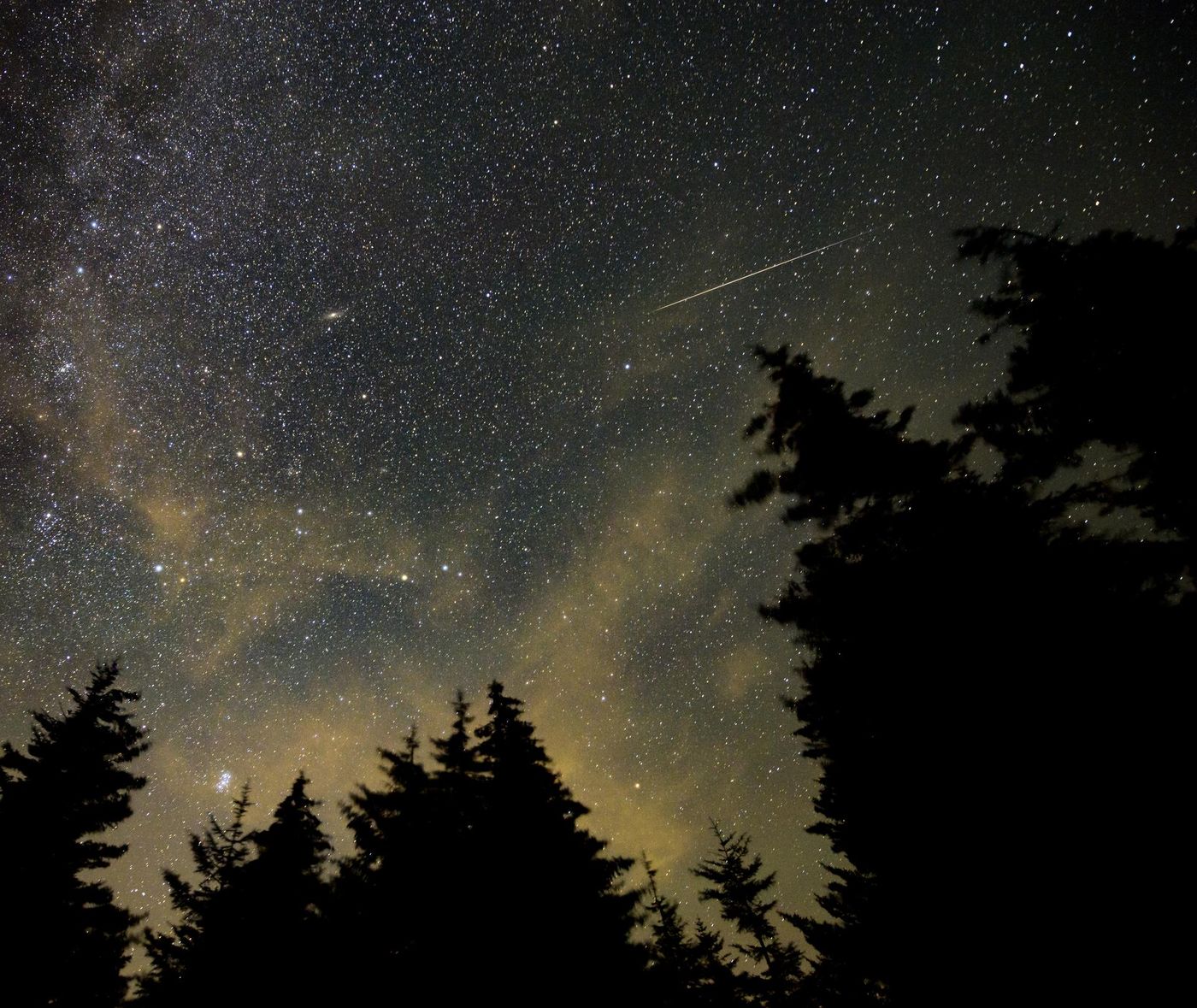
The Milky Way with the Andromeda Galaxy and a Perseid meteor above a dark ridge, a sky like the one over the Valle Grande on a moonless night

Photo: NASA/Bill Ingalls

North and East: The Jemez and the Sandias

The Jemez Mountains are the natural first escape for anyone living in Rio Rancho, Corrales or Bernalillo. Beyond the Valles Caldera, the forest roads and overlooks along Highway 4 are far from any large town, and the mountains wall off the metro to the south-east. In winter the highway can close or ice over at the higher elevations, so check the New Mexico road report before going.

The obvious nearby summit, Sandia Crest, is out of action for now. The Cibola National Forest closed State Highway 536 beyond the 10K Trailhead parking lot, along with the Sandia Crest Recreation Site, for a hazard-tree and fuels-reduction project. The closure stays in place while the project runs, so check the Cibola National Forest page for the Sandia Crest Highway before you go. Even when it reopens, the crest is a mixed stargazing site: it looks straight down on the city, so the western sky is washed out, although the view east across the Estancia Valley is much darker. Check the Forest Service's Sandia Crest byway page for the current status.

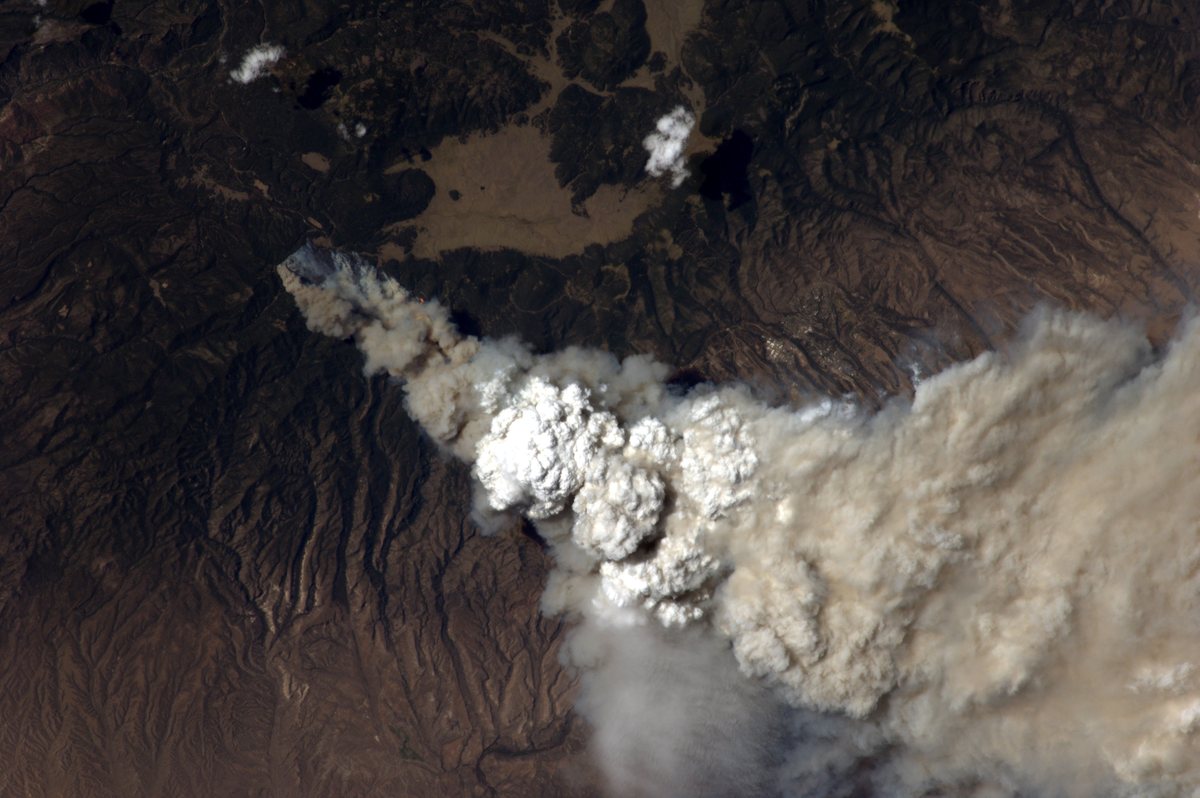
The forested Jemez Mountains of north-central New Mexico seen from the International Space Station, with a large smoke plume rising from the Las Conchas fire and pale grassland openings beyond it

The Jemez Mountains, home of the Valles Caldera, photographed from the International Space Station on June 27, 2011, during the Las Conchas fire south-west of Los Alamos. The pale open ground beyond the smoke is grassland in the mountains' high valleys. Photo: NASA, Expedition 28.

South-East: The Salinas Missions

Beyond the Manzano Mountains, around the small town of Mountainair, the stone ruins of three seventeenth-century Spanish missions and the pueblos beside them make up Salinas Pueblo Missions National Monument. The monument was announced as an International Dark Sky Park in September 2016, and because the adobe and stone structures need protecting, its outdoor lighting has long been minimal. Its three units each feel different. Abo and Quarai are the closest, each a little over an hour from the city, with tall red-stone church walls that make striking foregrounds for night photography. Gran Quivira, the farthest south, is the most isolated and has the darkest sky.

The monument sits inside the faint outer glow of Albuquerque; the Park Service's own photograph from Gran Quivira shows the metro as a bright patch on the northern horizon. Look south and overhead and the difference from the city is dramatic. The park holds dark-sky viewing evenings in spring, summer and autumn, sometimes with a night-photography workshop, and posts the dates on the monument's website. The units themselves close at 5 pm in summer and 4 pm in winter, so outside those events, plan on watching the sky from public roads and pull-offs rather than inside the ruins after hours.

West: El Morro and the Very Large Array

Two hours west on Interstate 40 and Highway 53, past Grants, El Morro National Monument was certified as an International Dark Sky Park in December 2019. Its sandstone bluff, carved with centuries of travellers' inscriptions, rises above a small campground, and the surrounding ranchland is about as dark as anywhere within reach of the city. To the south-west, the radio dishes of the Very Large Array are about two hours from Albuquerque, but its visitor center is open from 9 am to 4 pm and no one may be on site after 4 pm without permission, so treat it as a daytime stop before a night somewhere else.

Worth the Long Drive: Chaco Canyon in 2026

Chaco Culture National Historical Park, in the remote San Juan Basin of north-western New Mexico, has the darkest sky in this guide and the deepest connection to astronomy. Its great houses were aligned with solar and lunar cycles, and the park's rangers have built a night-sky programme around that history. Chaco was certified as an International Dark Sky Park on August 19, 2013, only the twelfth park in the world and the fourth National Park Service unit to earn the title, and its visitor-centre observatory was dedicated in May 1998. Evening programmes and star parties are usually held in summer, often around new Moon, depending on staff, and there are sunrise programmes at the equinoxes and solstices.

Getting there is the hard part this year. As of September 30, 2026, the park reports that County Road 7950, the usual northern approach from US 550, is badly damaged by storms, leaving the southern dirt roads as the only way in for the foreseeable future. Those routes run about 21 miles on rough, seldom-maintained dirt, can become impassable after rain, and are not recommended for RVs; call the park on 505-786-7014 before you leave. To see the sky properly, stay the night at Gallo Campground, which takes reservations three months ahead through Recreation.gov at $20 a night; several sites have been closed since a 2023 rockfall. The park's private-vehicle entrance pass is $25 and lasts seven days.

The Albuquerque Stargazing Calendar

Albuquerque's year turns on two weather patterns: the windy, dusty spring and the summer monsoon, when afternoon thunderstorms build over the mountains. Autumn avoids both.

MonthsWeatherBest BetsIn the Sky
October – NovemberDry, stable and clear; cold nights at altitude; Friday UNM open houses runningValles Caldera pullouts, El Morro, SalinasThe autumn Milky Way, the Andromeda Galaxy, Saturn
December – FebruaryThe clearest and coldest nights; snow and ice in the Jemez; short Valles Caldera gate hoursUNM open houses until the semester break, Salinas, El MorroOrion, the Pleiades, the Geminids on December 13–14
March – JuneSpring winds and dust; May and June dry and mild; Salinas night events resumeSalinas, Valles Caldera, Chaco in JuneGalaxies in Leo and Virgo, then the rising Milky Way core
July – SeptemberMonsoon storms in the afternoon, often clearing after dark; lightning on the mesasChaco summer programmes, Valles Caldera new-Moon sessionsThe Milky Way core, the Perseids on August 12–13

Pick your dates near new Moon with our 2026 astronomy events calendar. In monsoon season, watch the radar rather than the forecast: storms that look settled at 5 pm have often blown out by 10.

Packing List for New Mexico Nights

  • A jacket even in summer. The Valles Caldera sits far above the city, and its meadows drop to near freezing on many summer nights.
  • All the water you need. The preserve has no running water, and Chaco and Gran Quivira are a long way from a shop.
  • A high-clearance vehicle and a spare tyre for Chaco, plus a call to the park about the southern road before you set off.
  • A red light for the UNM open houses and the ranger programmes, so you do not dazzle the people at the eyepiece next to you.
  • A National Parks pass if you plan to visit Chaco and other fee areas during the year; Chaco's own pass is $25 per vehicle.
  • Lightning sense in monsoon season. Leave exposed overlooks when storms are within sight, even if the sky overhead is clear.

Telescopes and Binoculars for Albuquerque Observers

Albuquerque observers split their time between a bright city and some of the darkest skies in the country, so a scope that loads into a car in a few minutes earns its keep. These three cover both.

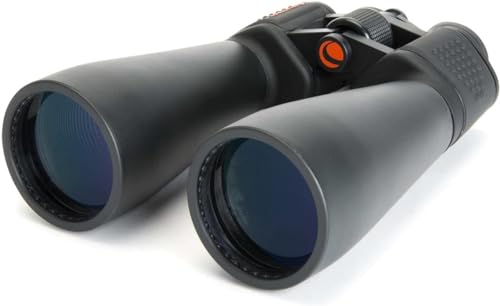
Celestron SkyMaster 15x70 binoculars

Celestron SkyMaster 15x70

For the Highway 4 pullouts

Scan the star clouds of Sagittarius from the edge of the Valle Grande, then take them to the Friday open houses, where the club brings the telescopes.

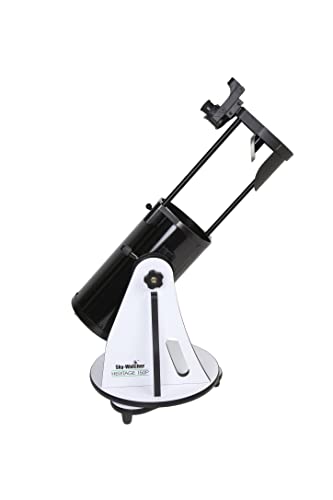
Sky-Watcher Heritage 130P tabletop Dobsonian

Sky-Watcher Heritage 130P

For a Salinas evening

A collapsible 5-inch that sits on a picnic table or a car bonnet, light enough to carry from the parking area at dusk.

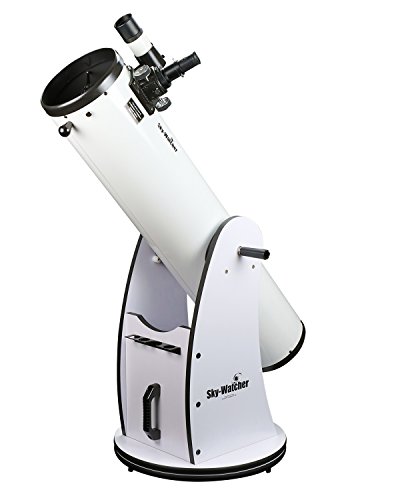
Sky-Watcher Classic 200P 8-inch Dobsonian

Sky-Watcher Classic 200P (8")

For Chaco and El Morro

Eight inches of aperture under a Bortle 1 or 2 sky turns faint galaxies into objects with shape, and a Dobsonian mount needs no power at a remote campsite.

For a Nob Hill balcony or a Rio Rancho backyard, our urban stargazing telescope picks focus on the Moon, planets and doubles that cut through a Bortle 8 glow.


🔭

One telescope for a city balcony and a night at Chaco?

Tell the Finder Tool your budget, how far you will drive to observe and what you most want to see. It suggests a specific model in under two minutes.

Find My Telescope →

Astronomy Clubs and Groups Around Albuquerque

The Albuquerque Astronomical Society is the centre of the local scene: it supplies the telescopes at the UNM Friday open houses, runs the Cosmic Carnival and public outreach at schools and parks, holds free monthly meetings on campus and operates the members' observatory south of Belen. The University of New Mexico runs the campus observatory. The rangers of the Valles Caldera, Salinas Pueblo Missions and Chaco run the guided night programmes, and the staff at Valle de Oro host star parties in the South Valley with the club. Groups in Santa Fe, Los Alamos and Socorro hold their own events. Our astronomy club directory lists clubs in New Mexico and every other state, and any New Mexico group we have missed can add its details here.


Continue Exploring

Keep the session going with the next useful answer

Choose the next page based on whether you need a recommendation, a comparison, or a practical observing plan.

Use Finder Tool →

🎄 Holiday season: Telescope Christmas Gift Guide 2026 · Black Friday deal tracking

Albuquerque Stargazing FAQ

Where can I see the Milky Way near Albuquerque?

The closest reliable Milky Way views are in the Valles Caldera, about an hour and fifty minutes north-west, where the Highway 4 pullouts overlook the Valle Grande under a Bortle 2 sky. The Salinas Pueblo Missions, a little over an hour south-east, are also dark, and El Morro and Chaco Canyon are darker still for an overnight trip.

What certified dark sky places are within reach of Albuquerque?

Four International Dark Sky Parks are within a long day's drive: Salinas Pueblo Missions (2016), El Morro (2019), Valles Caldera (2021) and Chaco Culture (2013). Valle de Oro National Wildlife Refuge in the South Valley was named the world's first Urban Night Sky Place in 2019.

When are the UNM Observatory open houses?

On Friday nights during the fall and spring semesters, from 8 to 10 pm until the time change, at the observatory north of Lomas Boulevard on Yale. They are run with The Albuquerque Astronomical Society, whose members bring telescopes, and each session is posted as open or closed at 3 pm that Friday.

Can you stargaze in the Valles Caldera after dark?

Yes, from the pullouts along State Highway 4 that overlook the Valle Grande, which the preserve recommends for night viewing. The main vehicle entrance is open only from 9 am to 5 pm (8 am to 6 pm in summer), so for a guided night inside, join one of the monthly ranger stargazing programmes.

How do you reach Chaco Canyon in 2026?

Only from the south. As of September 30, 2026, the park reports that County Road 7950, the usual northern approach, is badly damaged by storms. The southern routes include about 21 miles of rough dirt road that can become impassable after rain and are not recommended for RVs, so call the park on 505-786-7014 before you go.

Is Sandia Crest open for stargazing?

Not at the moment. Highway 536 beyond the 10K Trailhead parking lot and the Sandia Crest Recreation Site are closed during a hazard-tree and fuels-reduction project; check the Cibola National Forest before planning a trip. Even when open, the crest looks straight down on the city lights.

Related Guides