Colorado Springs Stargazing: Dark Sky Spots Near Pikes Peak
Telescope Advisor Logo Telescope Advisor
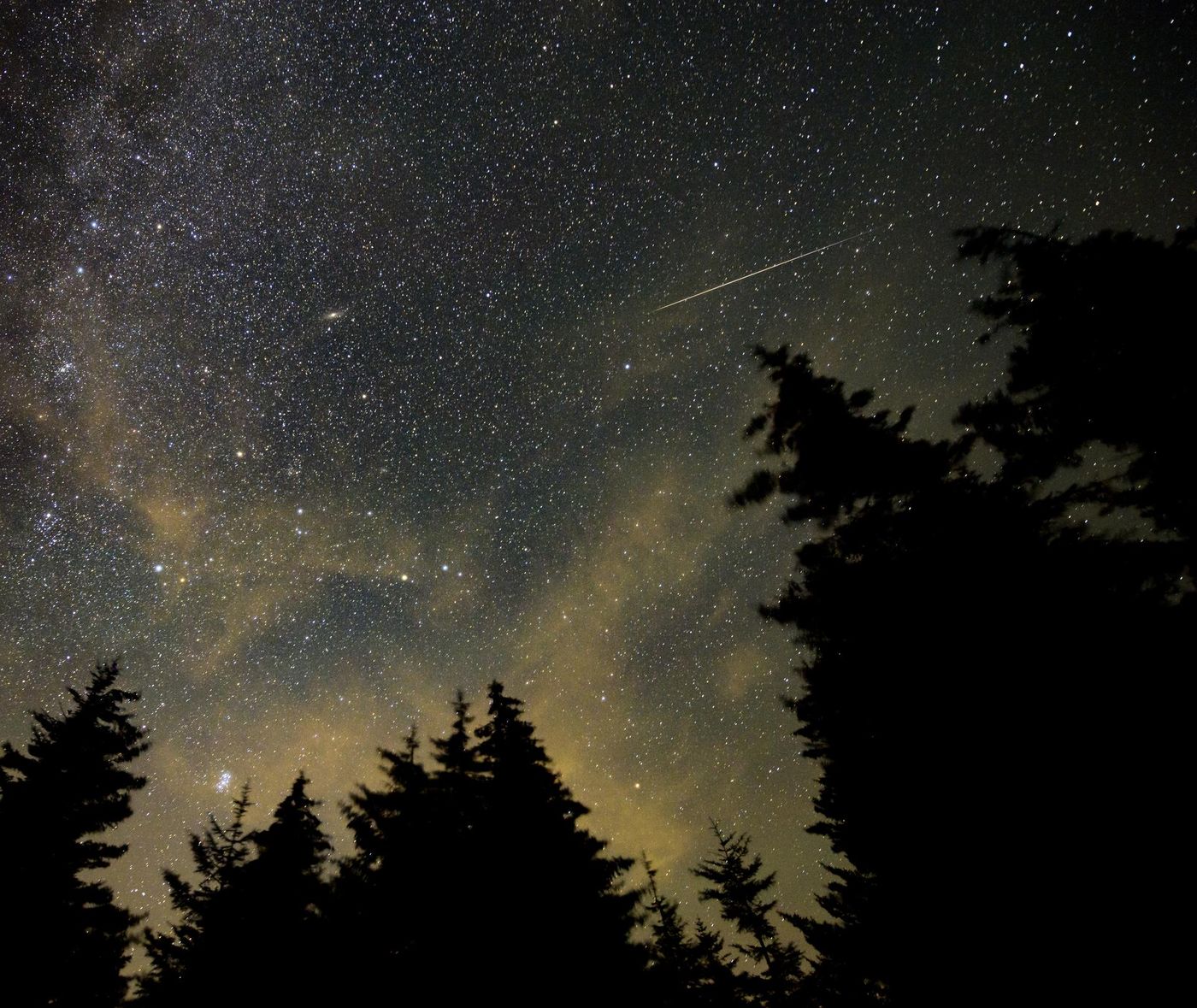
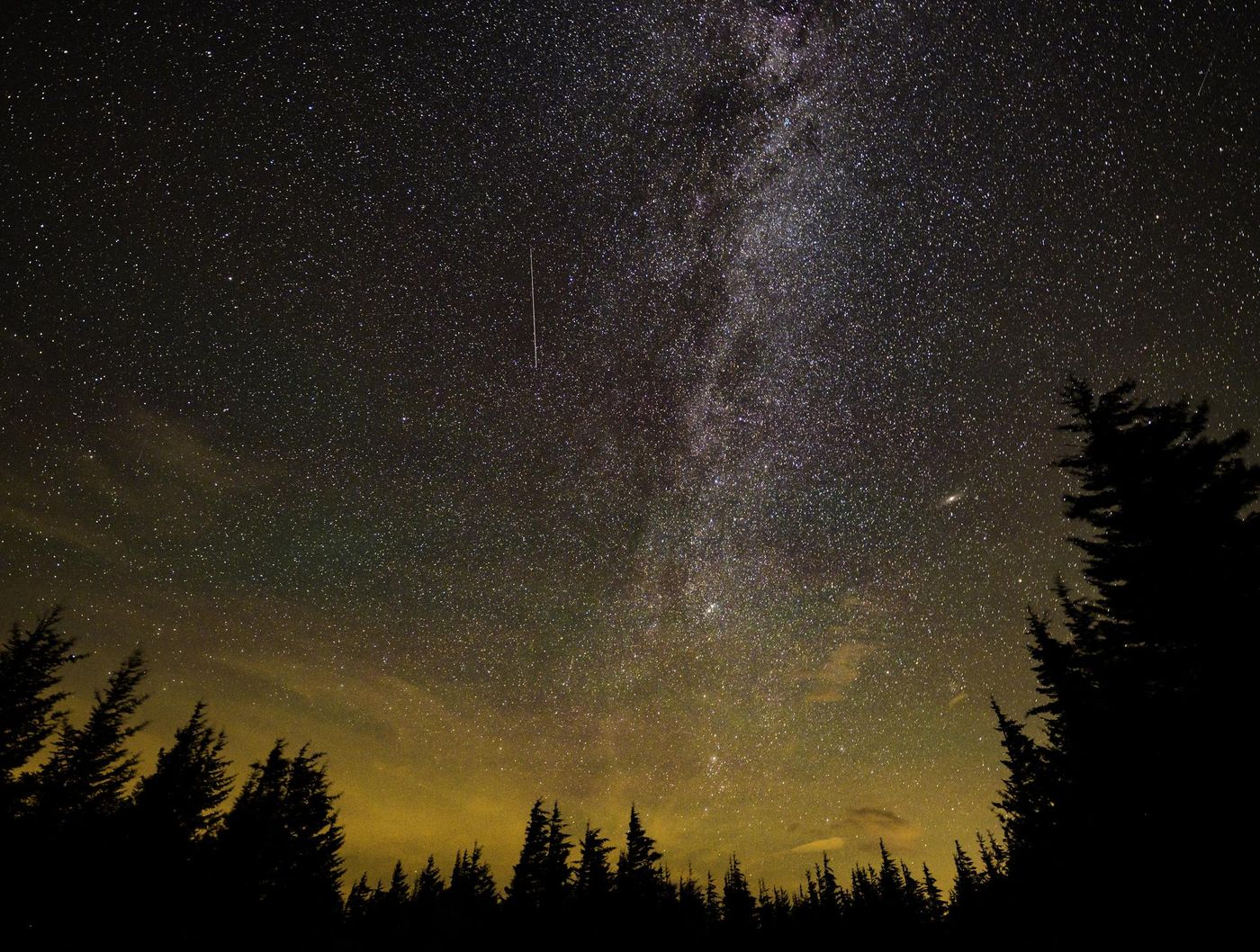
The Milky Way and a Perseid meteor over a dark mountain ridge, the kind of sky the high country west of Colorado Springs shows

Stargazing Destination Guide · Colorado Springs and the Pikes Peak Region

Colorado Springs Stargazing: Dark Skies in the Shadow of Pikes Peak (2026)

Colorado Springs starts at 6,000 feet, and a 14,115-foot mountain stands between it and the darkest country in the state. That geography gives the city an advantage Denver lacks: drive 50 minutes up Ute Pass and you are behind Pikes Peak at 8,000 to 9,000 feet, in a certified International Dark Sky Park with the city's glow blocked by the mountain. This guide to stargazing near Colorado Springs and Pueblo covers the free star parties inside the city, the high parks behind the peak, the plains to the east and south, and the trips worth a full night.

Sky in the CityBortle 7–8
Closest Dark Sky ParkFlorissant Fossil Beds, 50 min
Observing Altitude8,000–9,500 ft behind the peak
Best SeasonSeptember to October

Photo: a Perseid meteor and the Milky Way over Spruce Knob, August 2021. NASA/Bill Ingalls

By Telescope Advisor Editorial TeamPublished: Updated: Reviewed & approved by Juhi Sahni, Senior Editor Editorial Standards

Stargazing Near Colorado Springs at a Glance

Drive times are from downtown Colorado Springs; from Pueblo, add 45 minutes to anything west of the city and subtract it from Lake Pueblo. Bortle figures combine light-pollution maps with what the region's clubs report from their own sites. The pattern is simple: west, over or behind the mountain, the sky darkens fast; east onto the plains, it darkens slowly; and the I-25 corridor north to Denver never really gets dark at all.

LocationBortleFrom DowntownNight AccessBest For
Garden of the Gods Visitor Center715 min westSummer club star partiesTelescopes beside the red rocks
Cheyenne Mountain State Park, Limekiln Trailhead620 min south-westFree club star parties and astronomy night hikes; park passThe closest organised dark-ish site
Lake Pueblo State Park555 min southStargazing nights with the Pueblo club; campgroundsPueblo-side observers
Mueller State Park, Divide450 min westSummer star parties; campgroundCamping at about 9,000 feet
Florissant Fossil Beds NM (Hornbek Homestead)350 min westViewing area open 24 hoursA certified Dark Sky Park you can visit any night
Pikes Peak summit3–4 above the city glow1 hr 15 minPre-dawn sunrise openings onlyThe last hour of night at 14,115 feet
Westcliffe and Silver Cliff21 hr 45 min south-westTown streets and the Smokey Jack ObservatoryDark Sky Community in the Wet Mountain Valley
Great Sand Dunes National Park22 hr 45 min south-westOpen 24 hoursThe weekend trip

How Pikes Peak Shapes the Sky

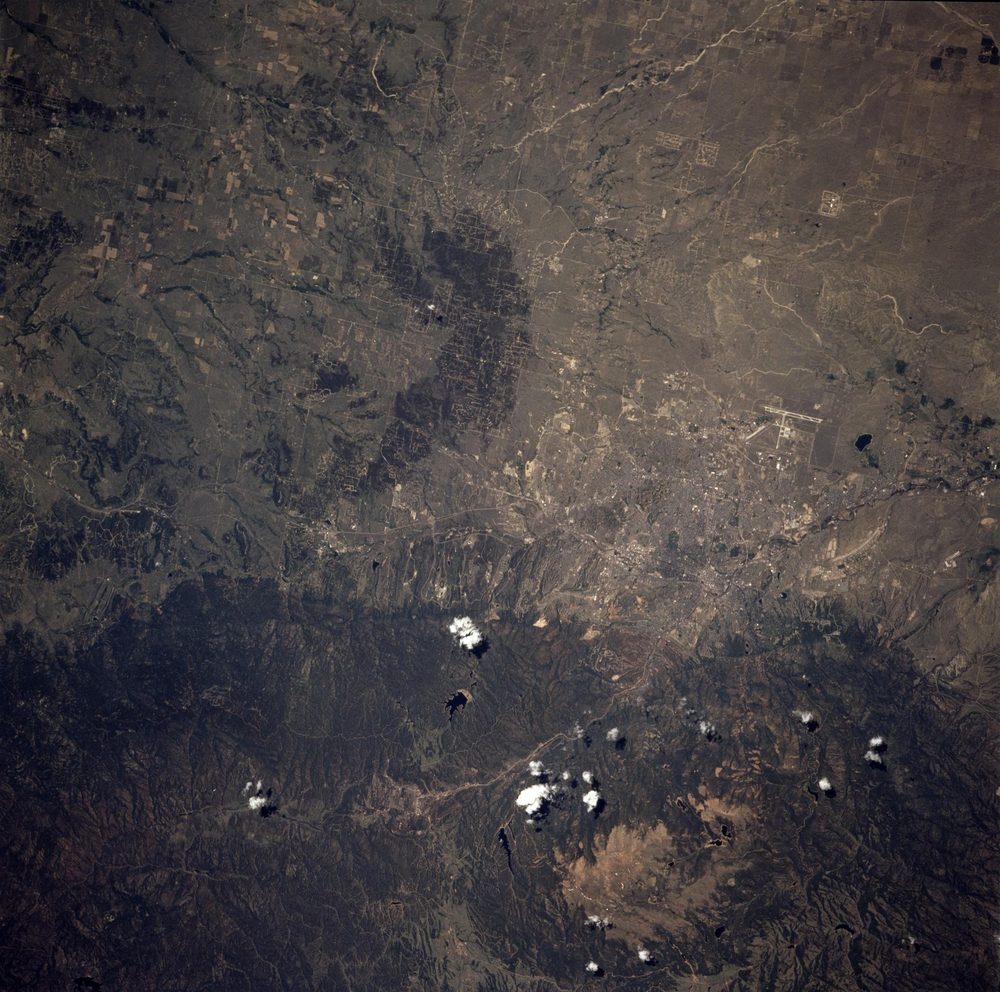
From orbit, Colorado Springs is a grey wedge of streets on a mesa at the eastern foot of Pikes Peak, with the mountain's dark, forested mass filling the west of the frame. That layout decides where to go. The city's light spreads east over the plains and north along Interstate 25 towards Monument and Denver, so the sky to the east of town stays washed out for 20 miles. To the west, the Rampart Range and Pikes Peak itself act as a wall. Once you are over Ute Pass in Woodland Park and Divide, the Springs' glow drops behind the mountain, and by Florissant the sky reaches Bortle 3, darker than anything within an hour of Denver.

Altitude is the second advantage. The high parks behind the peak sit between 8,000 and 9,500 feet, above roughly a quarter of the atmosphere, and the air is dry, so faint objects that disappear at sea level hold their contrast. The price is cold and thin air. A summer night at Mueller drops into the 40s, a winter one well below zero, and the organisers of the club star parties advise dressing for 20 degrees colder than the forecast low. South of the city, the Arkansas River valley and the plains around Pueblo add a third option, lower and milder, with a Bortle 5 sky at the lake. For the whole state, from Great Sand Dunes to Black Canyon of the Gunnison, see our Colorado stargazing guide.

Colorado Springs on its mesa at the eastern base of Pikes Peak, photographed from the Space Shuttle Columbia

Colorado Springs from the Space Shuttle Columbia in 1996: the city on its mesa at 6,000 feet, with Pikes Peak, the tan patch at lower left, and the dark forest of the Pike National Forest beyond it. Photo: NASA, STS-78.

Free Star Parties Inside the City

The Colorado Springs Astronomical Society, one of the largest astronomy clubs in the country, runs most of the region's public observing, and its events are the easiest way to get to know the local sky.

Cheyenne Mountain State Park

On the south-west edge of the city, Cheyenne Mountain State Park hosts the club's most regular public star parties. Members set up telescopes at the east end of the Limekiln Trailhead car park for two hours of free viewing; the only cost is the state park pass every vehicle needs. The park also runs astronomy night hikes for ages eight and up, a one-mile easy walk or a three-mile hike that both finish at the trailhead with half an hour at the telescopes, with registration required. In winter it schedules an early planet party aimed at children with early bedtimes. The sky is about Bortle 6, with Fort Carson to the south and the city behind you, but the mountain blocks the western sky and the park is the closest place to see galaxies through a big amateur telescope.

Garden of the Gods and Around Town

In summer the club sets up at the Garden of the Gods Visitor Center for free, family evenings with the sandstone fins silhouetted to the west. The sky is Bortle 7, so the targets are the Moon, the planets and bright clusters, but the setting is the best in the city. The club also brings telescopes to libraries, schools and festivals across the region, from Palmer Lake to Elizabeth, and its monthly meetings, held at the Space Foundation Discovery Center, are open to visitors. In October 2026 one of them moves to the Air Force Academy Planetarium.

One place to cross off the after-dark list: the Paint Mines Interpretive Park near Calhan, whose striped clay hoodoos appear in many Milky Way photographs, is open from dawn to dusk only. El Paso County runs occasional guided overnight photography workshops there; outside those, the park is closed at night.

Top Pick: The Dark Sky Park Behind the Mountain

Florissant Fossil Beds National Monument

Fifty minutes west on US 24, past Woodland Park and Divide, Florissant Fossil Beds became a certified International Dark Sky Park in 2021. It is best known for petrified redwood stumps and some of the world's finest fossil insects, preserved in ash 34 million years ago. At about 8,400 feet in a wide mountain valley, with Pikes Peak standing between it and the city, the sky is Bortle 3, and the summer Milky Way is bright enough to cast a glow on the meadows.

What makes Florissant unusual is access. The visitor centre and most trails close at 5 pm, but the park designates the Hornbek Homestead area and its car park as a night-sky viewing area open to the public 24 hours a day, so you can drive up on any clear night. On scheduled summer and early-autumn evenings the park runs night sky programmes with the Colorado Springs Astronomical Society, which brings telescopes and gives laser-pointer tours of the sky. No reservation is needed, but parking is limited and the lot closes when full. The entrance fee is $10 per adult, card or phone payment only, and free with an America the Beautiful pass. Bring your own binoculars and a chair.

The Milky Way, the Andromeda Galaxy and a Perseid meteor over a dark mountain landscape

Photo: NASA/Bill Ingalls

West: Mueller State Park and the Pikes Peak Summit

A few miles south of Divide, Mueller State Park spreads over the west flank of Pikes Peak at around 9,000 to 9,500 feet. Its campground is the best base for an overnight session within an hour of the city: Bortle 4, aspen meadows with open southern and western horizons, and the peak itself hiding most of the Springs' glow. From spring to late summer, Colorado Springs Astronomical Society volunteers run star parties in the visitor centre car park, with a guided tour of the sky when the weather allows. Entry is the standard state park vehicle fee. Bring bug spray for the summer events and far more clothing than seems sensible.

The Pikes Peak Highway closes to visitors in the evening, so the summit is not a stargazing site in the usual sense. The exception is the city's sunrise openings, held on selected mornings in summer and fall, when the gates open around 4:30 to 5:30 am. Arrive at the top at 14,115 feet with an hour of darkness left and the morning sky is as clear as it gets in Colorado: the winter constellations rising in late summer, the zodiacal light standing up from the eastern horizon, and the city lights 8,000 feet below. Dates vary by year and need booking, and the summit is near freezing even in August.

South: Pueblo and the Arkansas Valley

For Pueblo, Fountain and the south side of the Springs, Lake Pueblo State Park is the local dark site. The Southern Colorado Astronomical Society holds free stargazing nights there, usually starting with a presentation and slide show at the visitor centre followed by viewing through club telescopes, and visitors are welcome to bring their own. The sky is Bortle 5, with Pueblo's glow to the east and darker country to the west towards Cañon City. Nights are milder here than in the mountains, which makes it the better choice from November to March. The society meets monthly on a Thursday evening in the Physics and Mathematics Building at CSU Pueblo.

Worth the Drive: Westcliffe, the Star Stare and Great Sand Dunes

Colorado's two darkest easy destinations are both closer to the Springs than to Denver. Westcliffe and Silver Cliff, an hour and 45 minutes south-west in the Wet Mountain Valley, together form an International Dark Sky Community under a Bortle 2 sky, and Great Sand Dunes National Park, two and three-quarter hours away, is one of the darkest national parks in the lower 48. Our Colorado stargazing guide and the Denver stargazing guide cover both in detail.

For a full weekend under a dark sky with company, the Colorado Springs Astronomical Society runs the Rocky Mountain Star Stare each summer on the club's own land near Gardner, south of Westcliffe. It is a multi-night event with camping, speakers and rows of big telescopes, and attendance requires advance registration through the society.

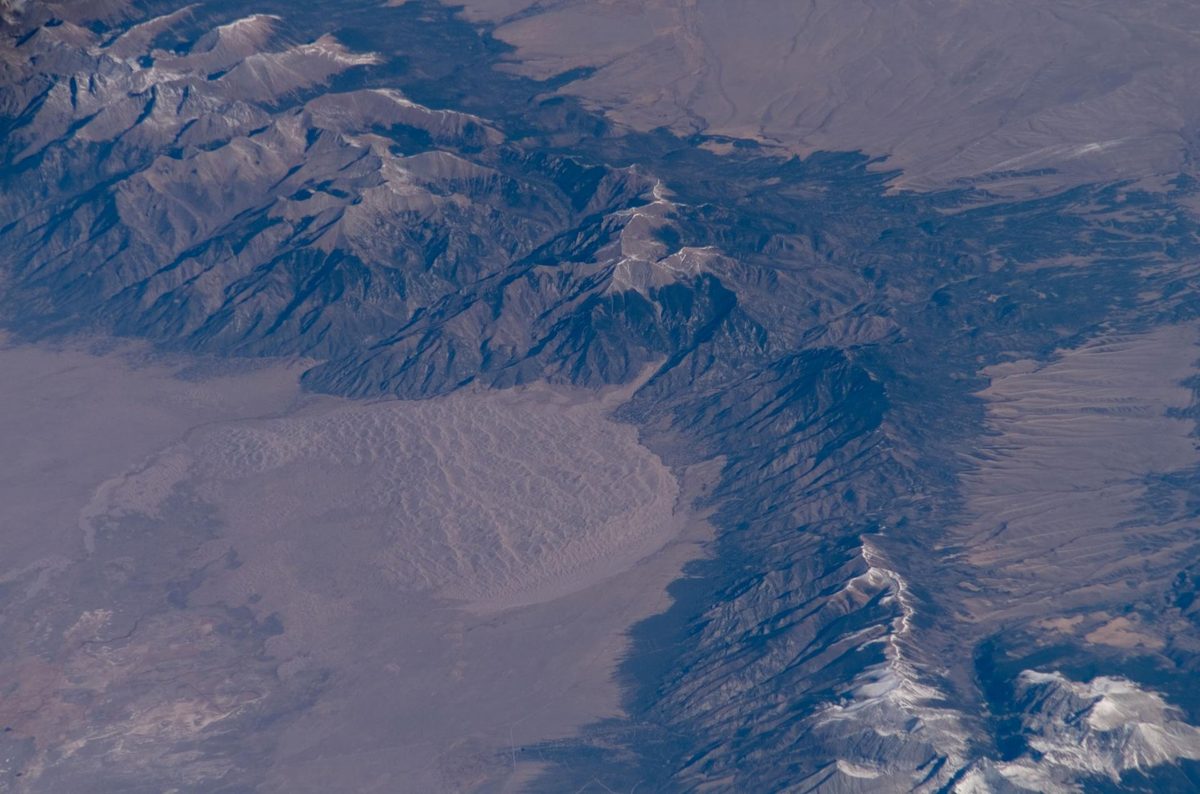
Great Sand Dunes National Park and the snow-capped Sangre de Cristo Mountains, photographed from the International Space Station

Great Sand Dunes against the Sangre de Cristo Mountains, photographed from the International Space Station in October 2007. The Wet Mountain Valley and Westcliffe lie just beyond the range. Photo: NASA, Expedition 16.

When to Go: The Pikes Peak Region by Season

The region has two enemies: afternoon thunderstorms in high summer and bitter cold at altitude in winter. Early autumn avoids both.

MonthsConditionsWhere to GoWhat to See
September – OctoberThe clearest, steadiest months; storms fade, aspens turn, nights at 9,000 feet drop below freezingFlorissant, Mueller, WestcliffeThe Milky Way setting in the south-west, Andromeda overhead, the Orionids
November – MarchClear and very cold; snow on the high roads; plains sites milderLake Pueblo, Cheyenne Mountain, Florissant on calm nightsThe Orion Nebula, the Pleiades, the Geminids December 13–14
April – JuneSpring snow giving way to long, mild nights; club season beginsCheyenne Mountain, Mueller from MayGalaxy season in Leo, Virgo and Ursa Major
July – AugustAfternoon storms most days, usually clearing by late evening; lightning on the high groundFlorissant programmes, Mueller, the Star StareThe Milky Way core, the Perseids August 12–13

Plan around a new Moon with our 2026 astronomy events calendar. In summer, watch the storms over the peak at sunset: if they are drifting east onto the plains, the mountain sites will usually clear within two hours.

What to Bring Above 8,000 Feet

  • Dress for 20 degrees below the forecast. Winter boots, a down jacket and a hat, even for a July star party at Mueller or Florissant.
  • Water and a slow first hour. Altitude dehydrates you and thins the air; visitors from sea level tire quickly at 9,000 feet and far faster on the summit.
  • Cash is no help at Florissant. Fees are card or phone payment only, so bring a card or an America the Beautiful pass.
  • A state parks pass for Cheyenne Mountain, Mueller and Lake Pueblo, and a registration for the night hikes.
  • Lightning sense in summer. Leave exposed ground when storms are within ten miles, and never set up on the summit with a storm in sight.
  • Chains or good tyres from October to May for Ute Pass and the Pikes Peak Highway, which closes for snow at short notice.

Best Telescopes and Binoculars for the Pikes Peak Region

The thin, dry air behind the peak rewards aperture more than almost anywhere in the country, but everything has to survive cold, wind and a drive over Ute Pass. Simple instruments without batteries are the safest choice at 9,000 feet in January.

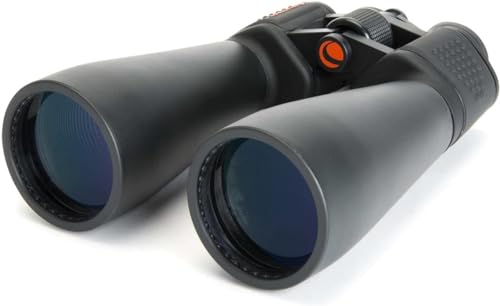
Celestron SkyMaster 15x70 binoculars

Celestron SkyMaster 15x70

For Florissant and the club nights

The Florissant rangers ask visitors to bring binoculars, and these turn the Milky Way over the meadows into star clouds and dark lanes. The telescopes are provided.

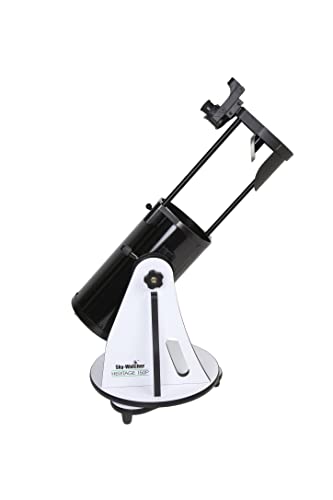
Sky-Watcher Heritage 130P tabletop Dobsonian

Sky-Watcher Heritage 130P

For quick trips up Ute Pass

A 5-inch collapsible Dobsonian with no electronics to fail in the cold, light enough to carry from the Hornbek lot and set on a car bonnet.

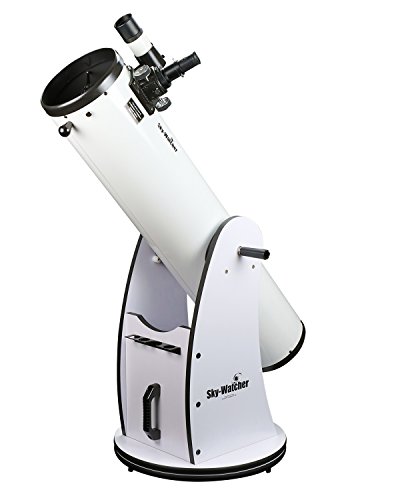
Sky-Watcher Classic 200P 8-inch Dobsonian

Sky-Watcher Classic 200P (8")

For Mueller camping and the Star Stare

At 9,000 feet an 8-inch shows galaxies the same scope cannot show from a city: spiral structure in M51 and the full Veil Nebula through a filter.

Observing from a backyard in Briargate or Fountain most nights? The best telescopes for urban stargazing guide is written for a Bortle 7 sky.


🔭

Which telescope suits a city backyard and a 9,000-foot campsite?

Tell the Finder Tool your budget, whether you observe at home or drive up Ute Pass, and what you want to see. It recommends a specific model in under two minutes.

Find My Telescope →

Astronomy Clubs in Colorado Springs and Pueblo

The Colorado Springs Astronomical Society runs the public star parties at Cheyenne Mountain, Mueller and Garden of the Gods, supplies the telescopes for the Florissant night sky programmes, which it has presented since 2017, and organises the Rocky Mountain Star Stare. Its monthly meetings at the Space Foundation Discovery Center are open to visitors. The Southern Colorado Astronomical Society serves Pueblo, meeting monthly at CSU Pueblo and hosting the stargazing nights at Lake Pueblo. For clubs elsewhere in Colorado and beyond, see our astronomy club directory, and if your group is missing you can submit it here.


Continue Exploring

Keep the session going with the next useful answer

Choose the next page based on whether you need a recommendation, a comparison, or a practical observing plan.

Use Finder Tool →

🎄 Holiday season: Telescope Christmas Gift Guide 2026 · Black Friday deal tracking

Colorado Springs Stargazing FAQ

Where is the darkest sky near Colorado Springs?

Within an hour, Florissant Fossil Beds National Monument, a certified International Dark Sky Park 50 minutes west on US 24, at Bortle 3. Mueller State Park nearby is about Bortle 4. For Bortle 2, Westcliffe and Silver Cliff are an hour and 45 minutes south-west, and Great Sand Dunes is under three hours away.

Can you stargaze at Florissant Fossil Beds at night?

Yes. The visitor centre and most trails close at 5 pm, but the Hornbek Homestead area and its parking lot are open to the public 24 hours a day as the monument's night-sky viewing area. The $10 per adult entrance fee applies, payable by card or phone, and the park also runs free-with-entry night sky programmes with the Colorado Springs Astronomical Society in summer and early autumn.

Are there free star parties in Colorado Springs?

Yes. The Colorado Springs Astronomical Society holds free public star parties at the Limekiln Trailhead in Cheyenne Mountain State Park, where only the state park vehicle pass is needed, and in summer at the Garden of the Gods Visitor Center and Mueller State Park. Check the society's calendar, as events are cancelled for weather.

Can you see stars from the top of Pikes Peak?

Only before dawn. The Pikes Peak Highway closes to visitors in the evening, but the city runs sunrise openings on selected summer and fall mornings with gates opening around 4:30 to 5:30 am, which puts you on the 14,115-foot summit for the last hour of darkness. Dates vary each year and need booking.

Can you go to the Paint Mines at night?

Not on your own. Paint Mines Interpretive Park near Calhan is open from dawn to dusk, and the only after-dark access is through occasional guided overnight photography workshops arranged with El Paso County. For a dark site you can visit any night, Florissant Fossil Beds is the better choice.

How cold is it at Mueller State Park at night?

Much colder than the city. The park sits around 9,000 feet, summer nights fall into the 40s and winter nights below zero, and the club volunteers who run its star parties advise dressing for at least 20 degrees colder than the forecast low. Bring winter layers even in July.

Related Guides