Stargazing Near Salt Lake City: Dark Sky Parks and Spots
Telescope Advisor Logo Telescope Advisor
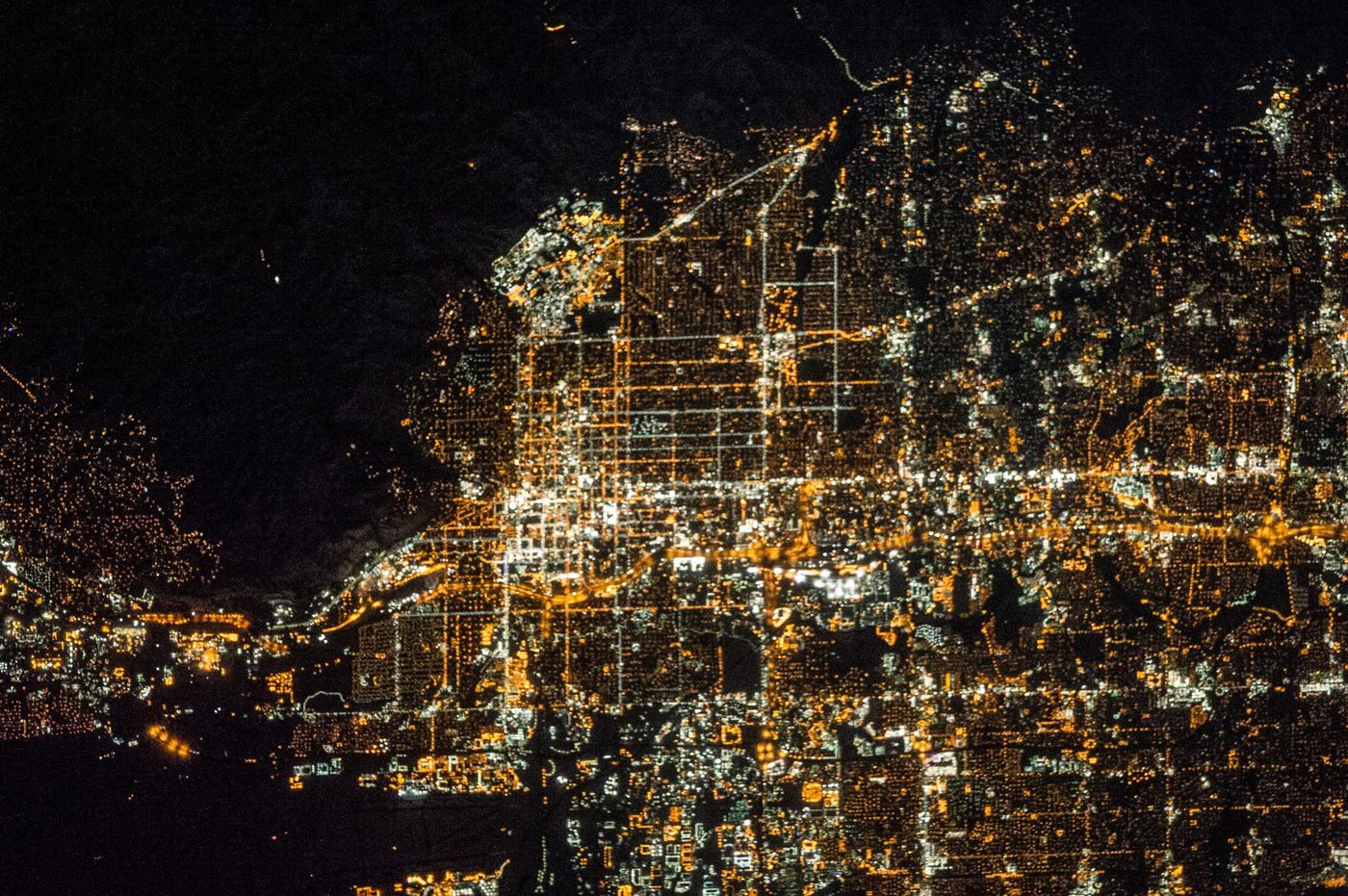
Salt Lake City at night from the International Space Station, its street grid glowing gold against the dark Wasatch Range and the Great Salt Lake

Stargazing Destination Guide · Salt Lake City and the Wasatch Front

Stargazing Near Salt Lake City: Dark Sky Parks Within an Hour of the Valley (2026)

Utah is famous for the dark skies of its southern national parks, four or five hours from the capital. What fewer people realise is that the Wasatch Front has its own cluster of certified dark sky parks, most of them under an hour from downtown Salt Lake City: an island in the Great Salt Lake, three reservoir parks in the mountains behind the city, and a canyon park above Ogden. This guide to stargazing near Salt Lake City, Ogden and Provo covers those parks, the free weekly star parties in the city, the salt flats to the west, and how to beat the valley's winter haze.

Sky in the ValleyBortle 8
Dark Sky Parks Within ~1 HourFive, plus an Urban Night Sky Place
Free Telescope NightsEvery clear Wednesday at the U
Best SeasonSeptember and October

Photo: Salt Lake City at night from the International Space Station, December 2013. NASA, Expedition 38

By Telescope Advisor Editorial TeamPublished: Updated: Reviewed & approved by Juhi Sahni, Senior Editor Editorial Standards

Stargazing Near Salt Lake City at a Glance

Drive times are from downtown Salt Lake City; from Ogden, take 30 minutes off the northern sites, and from Provo, take 20 off the Heber Valley parks. Bortle figures combine light-pollution maps with what the Salt Lake Astronomical Society reports from its sites. Five of the places below hold DarkSky International certifications, part of the reason Utah has more certified dark sky places than any other state.

LocationBortleFrom DowntownCertificationBest For
Willard Eccles Astronomy Observatory, University of Utah810 min east—Free star parties every clear Wednesday
Stansbury Park Observatory Complex540 min west—Big club telescopes, April to October
East Canyon State Park3–445 min north-eastDark Sky ParkMountains blocking the valley glow
Jordanelle State Park, Rock Cliff450 min eastDark Sky Park (2021)Park City and Heber Valley observers
Rockport State Park3–450 min eastDark Sky ParkCamping at 6,000 feet
Antelope Island State Park455 min northDark Sky Park (2017)Stars over the Great Salt Lake
North Fork Park, Ogden Valley31 hr 10 min northDark Sky ParkThe Milky Way closest to the Wasatch Front
Bonneville Salt Flats21 hr 45 min west—A flat white horizon in every direction

A Valley Between a Lake and a Mountain Range

From orbit, Salt Lake City is a tight grid of light pressed between the Wasatch Range on the east and the Great Salt Lake on the north-west, with the glow running north to Ogden and south through Utah County to Provo along Interstate 15. More than two million people live along that 100-mile strip, which makes the Wasatch Front one of the brightest corridors in the Mountain West. But it is a narrow one. Climb any canyon road east into the mountains and within 30 minutes the ridges hide the valley completely; drive west past the Oquirrh Mountains and the lights end at the edge of the desert.

That geography explains why so many dark sky parks sit so close to a city. East Canyon, Jordanelle and Rockport are reservoir parks in the high valleys behind the Wasatch, shielded by thousands of feet of mountain; the University of Utah describes East Canyon's sky as nearly 40 times darker than the valley's. Antelope Island works differently: the Great Salt Lake surrounds it with miles of dark water and salt flats, so the glow sits only on the eastern horizon. And at American Fork Canyon, Timpanogos Cave National Monument became the first National Park Service unit to be named an Urban Night Sky Place, recognising its work to protect a dark sky on the edge of a metro.

The valley's own weather is the main drawback. In winter, cold air settles in the basin under warmer air above, and the inversions trap haze and pollution in the valley for days. The answer is altitude: the mountain parks are often clear above a valley lid of grey. For southern Utah's famous parks, from Bryce Canyon to Natural Bridges, see our Utah stargazing guide.

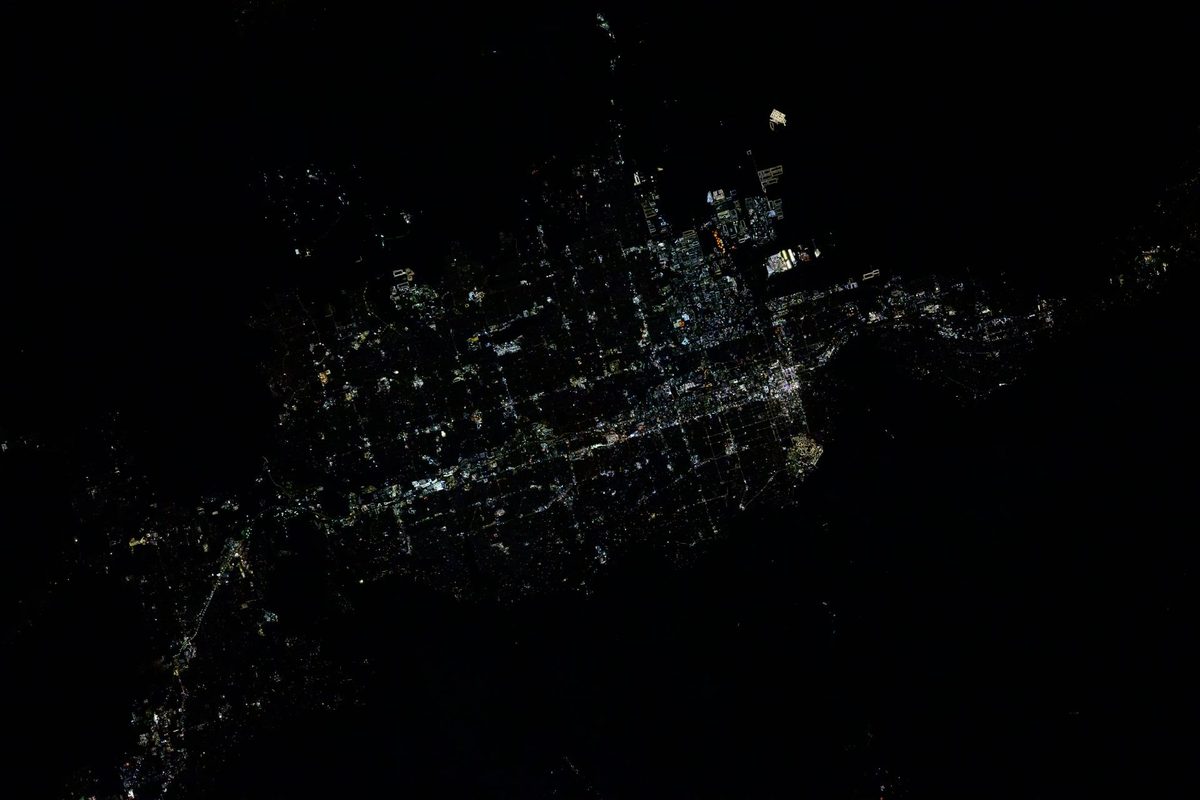
The city lights of Salt Lake City and its suburbs before dawn, photographed from the International Space Station

Salt Lake City and its suburbs at about 5:17 am, photographed from the International Space Station in December 2024. The dark ground to the east is the Wasatch Range, where most of the dark sky parks hide. Photo: NASA, Expedition 72.

Free Star Parties in the Valley

Salt Lake City has an unusually dependable programme of free public observing, with something on almost every clear week of the year.

Willard Eccles Astronomy Observatory, University of Utah

On the roof of the L.S. Skaggs Applied Science Building, 270 South 1400 East, the University of Utah's physics and astronomy department runs free public star parties on every clear Wednesday night. The observatory opened in October 2025, replacing the department's long-running South Physics Observatory, and its deck holds a row of 10-, 12- and 14-inch telescopes on equatorial mounts. Doors open at 7 pm all year; in winter the sky viewing starts then, and in summer it starts after 9 pm, with solar viewing until dark. No reservation is needed and parking is free after 6 pm in the designated lot. The sky is Bortle 8, so the programme concentrates on the Moon, planets, double stars and bright clusters.

Salt Lake Astronomical Society and Stansbury Park

The Salt Lake Astronomical Society runs the Stansbury Park Observatory Complex in Tooele County, 40 minutes west of downtown, and opens it for free public star parties with some of the largest telescopes in Utah. The 2026 season ran from April to early October, with sessions from dusk until 10 pm in spring and autumn and until 11 pm in summer; the sky there is about Bortle 5. The society also holds free solar parties on weekend mornings and star parties with Salt Lake County Library branches, and posts each year's schedule in the spring.

Clark Planetarium

Downtown, Clark Planetarium runs dome shows and exhibits year-round, and in summer takes its programme into the mountains: its 2026 Silver Lake Star Party put telescopes at the Silver Lake visitor centre at Brighton, at the top of Big Cottonwood Canyon, with free registration. At around 8,700 feet, Silver Lake is a good example of how fast the sky darkens once a canyon wall stands between you and the valley.

Top Pick: Stars Over the Great Salt Lake

Antelope Island State Park

Antelope Island, the largest island in the Great Salt Lake, was designated an International Dark Sky Park in spring 2017, and it is the most rewarding dark site within an hour of downtown. Reached by a causeway from Syracuse, about 55 minutes north, the island puts miles of water and salt flat between you and the cities. The Wasatch Front glows along the eastern horizon, but to the west and overhead the sky reaches about Bortle 4, and the summer Milky Way sets over the lake towards the desert.

Buffalo Point and the trail towards Frary Peak, the island's high point, are the classic sunset viewpoints and the places to stay as the sky darkens. To be there after the day crowds leave, book one of the island's campgrounds: Bridger Bay, White Rock Bay or Ladyfinger, all well away from any lights. The park has run its own night-sky programmes and star parties, so check its calendar. One local warning matters more than any other. From about April to June, biting gnats can make an evening miserable, so call the visitor centre before a spring trip, or wait for September and October, when the bugs are gone and the nights are long.

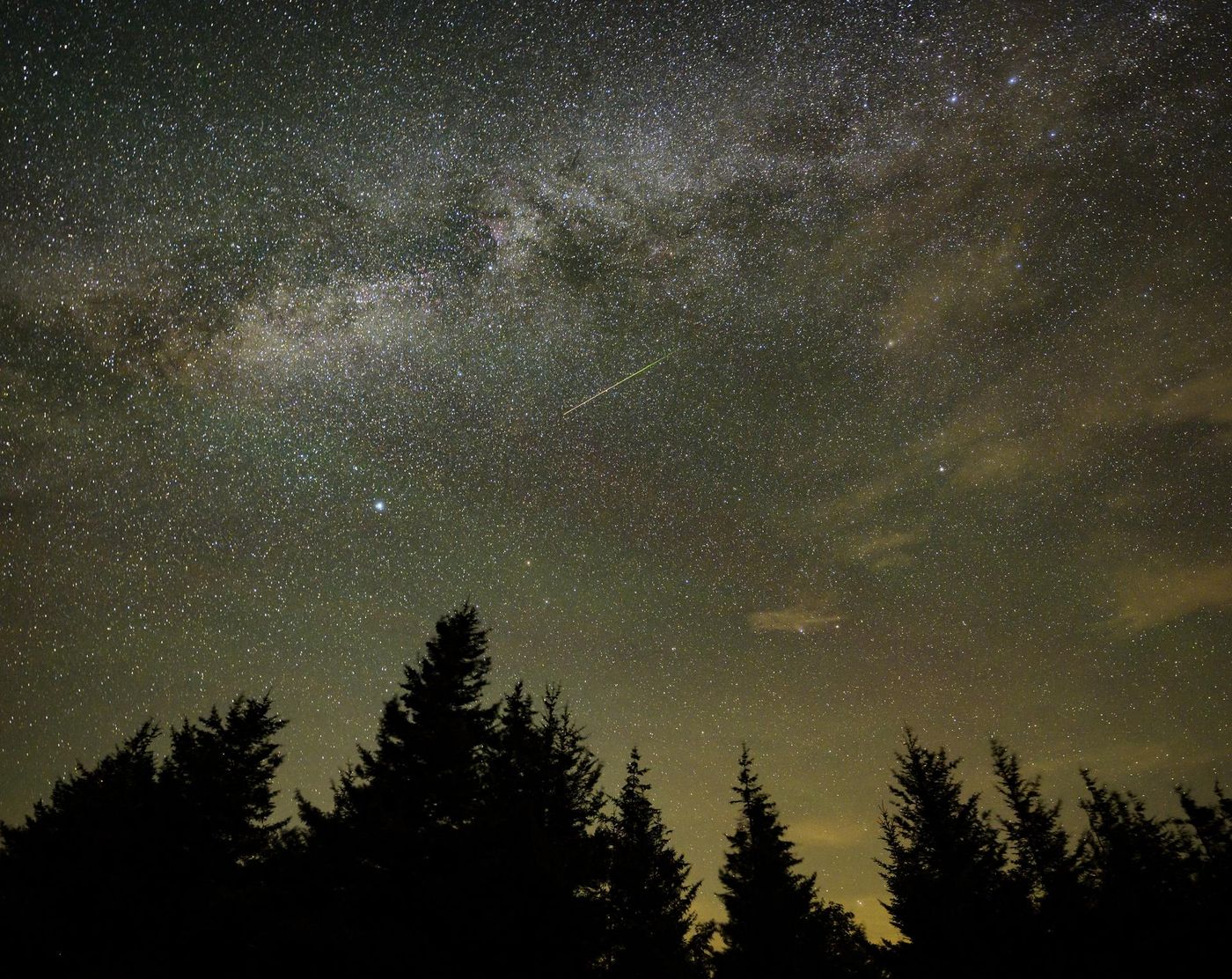
The Milky Way arching over a dark horizon with a Perseid meteor, the kind of sky a certified Dark Sky Park shows on a clear night

Photo: NASA/Bill Ingalls

East: The Mountain Reservoir Parks

Behind the Wasatch, three state parks on mountain reservoirs hold DarkSky International certification, and all three are under an hour from the city. East Canyon State Park, reached over the mountains from Interstate 80, is ringed by ridges that block the city glow; for the darkest view, look east and straight up. It holds dark sky star parties through the year, and its campground lets you stay. Jordanelle State Park, certified in January 2021, sits between Park City and Heber; its darkest corner is the Rock Cliff Nature Area at the reservoir's eastern end, away from the main marina. Rockport State Park, on the Weber River near Wanship at about 6,000 feet, lies in a rural valley between the Wasatch and Uinta ranges and runs dark sky programmes on why darkness matters to nocturnal wildlife.

North of the city, North Fork Park, a Weber County park in a canyon above Ogden Valley, completes the set. Its canyon walls shield it from both the Wasatch Front and Cache Valley, and it is one of the few places where the Milky Way is plainly visible so close to an urban area. It is the natural first dark site for anyone in Ogden, Layton or Logan. All four parks are at altitude, so bring winter layers on any clear night between October and May.

West: The Salt Flats and the Great Basin

Drive west on Interstate 80 past the Great Salt Lake and the lights simply stop. The Bonneville Salt Flats, an hour and three-quarters from downtown on public land near the Nevada line, give a Bortle 2 sky over a perfectly flat white surface, so the stars reach all the way down to the horizon in every direction. The salt crust is often under water from late winter into spring, so it is a summer and autumn trip, and the flats are miles from any services. Stay on firm, dry surfaces and never drive onto wet salt.

Beyond the salt, the Great Basin is some of the emptiest and darkest country in the lower 48. Great Basin National Park, across the Nevada border about three and three-quarter hours from Salt Lake City, is a certified Dark Sky Park with a summer astronomy programme, and our Las Vegas stargazing guide covers the Nevada side. For Utah's southern parks, from Capitol Reef to Natural Bridges, the Utah guide is the place to start.

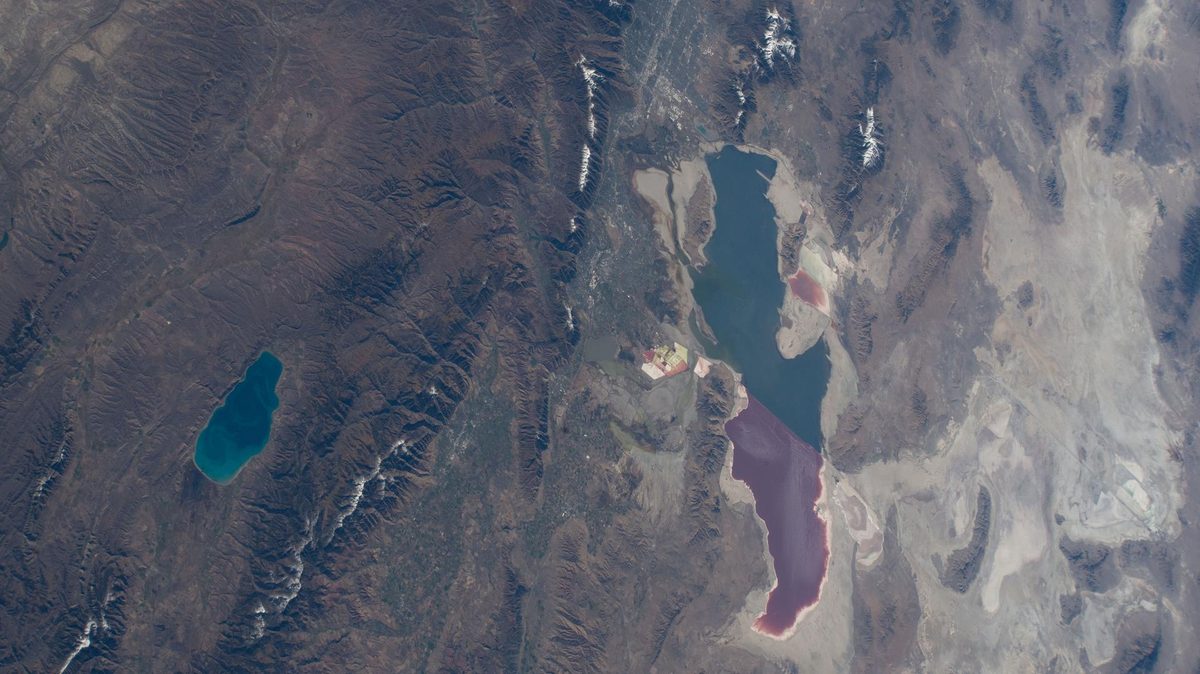
The Great Salt Lake, its northern arm red and southern arm blue on either side of a railroad causeway, with Bear Lake to the north-east, from the International Space Station

The Great Salt Lake, right, and Bear Lake, left, from the International Space Station in October 2025. The causeway splits the lake into a saltier red north arm and a blue south arm; Antelope Island sits in the southern part. Photo: NASA, Expedition 73.

When to Go: The Wasatch Front by Season

Salt Lake City's year has two problems to avoid: winter inversions in the valley and the gnat season on the lake. Early autumn misses both.

MonthsConditionsWhere to GoWhat to See
September – OctoberClear, dry and bug-free; cool nights; the last Stansbury star partiesAntelope Island, the reservoir parks, the salt flatsThe Milky Way setting over the lake, Andromeda, the Orionids
November – FebruaryInversions trap haze in the valley; snow in the mountains; very cold clear nights above the hazeThe U on clear Wednesdays; mountain parks with winter gearThe Orion Nebula, the Pleiades, the Geminids December 13–14
March – JuneSpring storms; Stansbury season opens in April; gnats on the lake from about April to JuneStansbury Park, East Canyon, North ForkGalaxy season in Leo and Virgo
July – AugustWarm, dry nights; monsoon storms and wildfire smoke possibleSilver Lake, the reservoir parks, BonnevilleThe Milky Way core, the Perseids August 12–13

Pick a night near new Moon with our 2026 astronomy events calendar. In winter, check the air-quality forecast: on an inversion day the valley is hazy, but the mountain parks above the lid can be crystal clear.

What to Bring on the Wasatch Front

  • Insect protection for Antelope Island. A head net and repellent from April to June, or a different park.
  • Winter layers for the mountain parks. East Canyon, Rockport and Silver Lake fall well below freezing on clear nights from October to May.
  • A Utah State Parks pass or entry fee for Antelope Island and the reservoir parks, and campground reservations for weekends.
  • Water and a full tank for the salt flats. There are no services, and the flats are a long way from help.
  • Traction tyres in winter for the canyon roads and the climb to Jordanelle and East Canyon.
  • A red headlamp for the club and university star parties, where white light ruins other people's night vision.

Best Telescopes and Binoculars for Salt Lake City Skies

With dark sky parks less than an hour away, Salt Lake City observers get more use from aperture than most city dwellers. A telescope that fits in a car and copes with cold mountain nights is the right choice.

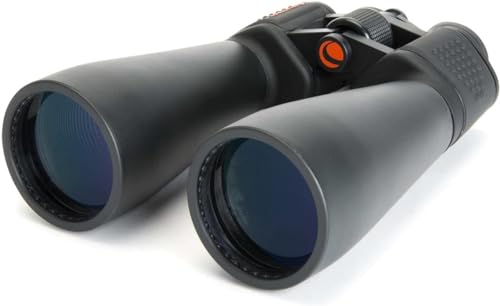
Celestron SkyMaster 15x70 binoculars

Celestron SkyMaster 15x70

For the lake and the salt flats

Sweep the Milky Way over the Great Salt Lake from Buffalo Point, and bring them to the Wednesday star parties, where the telescopes are provided.

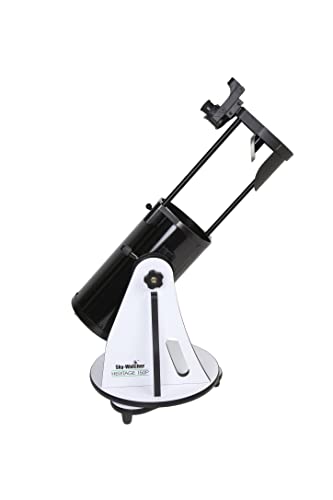
Sky-Watcher Heritage 130P tabletop Dobsonian

Sky-Watcher Heritage 130P

For quick canyon trips

A 5-inch collapsible Dobsonian with no batteries to fail on a freezing East Canyon night, small enough for a hatchback.

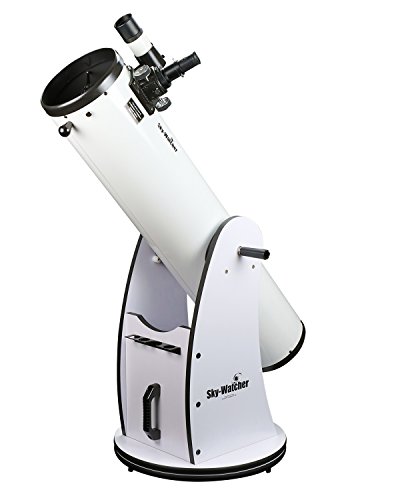
Sky-Watcher Classic 200P 8-inch Dobsonian

Sky-Watcher Classic 200P (8")

For North Fork and Bonneville

Under a Bortle 2 to 3 sky an 8-inch shows galaxy detail and faint nebulae that the city never will, and it is simple enough to set up by red light.

For the weeknights in a Sugar House backyard or on a downtown balcony, see our urban stargazing telescope picks, chosen for a Bortle 8 valley sky.


🔭

Which telescope suits a valley backyard and a mountain dark sky park?

Tell the Finder Tool your budget, whether you observe at home or drive into the Wasatch, and what you want to see. It recommends a specific model in under two minutes.

Find My Telescope →

Astronomy Clubs and Programmes Along the Wasatch Front

The Salt Lake Astronomical Society runs the Stansbury Park Observatory Complex star parties, the solar parties and the library star parties, and is the best first contact for anyone in the valley. The University of Utah Department of Physics and Astronomy runs the free Wednesday star parties at the Willard Eccles Astronomy Observatory. Clark Planetarium runs dome shows downtown and summer star parties in the canyons. Utah State Parks rangers run night-sky programmes at Antelope Island, East Canyon and Rockport. Clubs in Ogden, Utah County and Cache Valley hold their own events. The astronomy club directory covers Utah and every other state, and Utah groups that are missing can send in their details.


Continue Exploring

Keep the session going with the next useful answer

Choose the next page based on whether you need a recommendation, a comparison, or a practical observing plan.

Use Finder Tool →

🎄 Holiday season: Telescope Christmas Gift Guide 2026 · Black Friday deal tracking

Salt Lake City Stargazing FAQ

Where is the best stargazing near Salt Lake City?

Antelope Island State Park, a certified Dark Sky Park in the Great Salt Lake about 55 minutes north, is the most rewarding. East Canyon, Jordanelle and Rockport state parks in the mountains east of the city are also certified and under an hour away, and North Fork Park above Ogden Valley is darker still at about Bortle 3.

How many dark sky parks are near Salt Lake City?

Five certified dark sky parks lie within about an hour of downtown: Antelope Island, East Canyon, Jordanelle and Rockport state parks, and North Fork Park in Weber County. Timpanogos Cave National Monument in American Fork Canyon is also certified as an Urban Night Sky Place, the first National Park Service unit with that designation.

Are there free star parties in Salt Lake City?

Yes. The University of Utah holds free public star parties every clear Wednesday night at the Willard Eccles Astronomy Observatory on campus, opening at 7 pm with no reservation needed. The Salt Lake Astronomical Society hosts free star parties at the Stansbury Park Observatory Complex from April to October.

Can you camp at Antelope Island to see the stars?

Yes. Bridger Bay, White Rock Bay and Ladyfinger campgrounds are all well away from artificial light and let you stay after the day crowds leave. Buffalo Point and the Frary Peak area are the classic viewpoints at dusk. Avoid April to June if you can, when biting gnats are heavy.

Does the winter inversion affect stargazing in Salt Lake City?

Yes, in the valley. Winter inversions trap haze and pollution in the basin for days, washing out all but the brightest stars. The mountain parks such as East Canyon and Rockport often sit above the inversion and can be clear and dark at the same time, so drive up rather than out.

Is the Bonneville Salt Flats good for stargazing?

Yes, in summer and autumn. The flats are about an hour and three-quarters west of Salt Lake City with a Bortle 2 sky and a perfectly flat horizon. The salt is often flooded from late winter into spring, there are no services, and you should never drive onto wet salt.

Related Guides