Binoculars With Camera (2026): Best Picks and Honest Limits
Telescope Advisor Logo Telescope Advisor
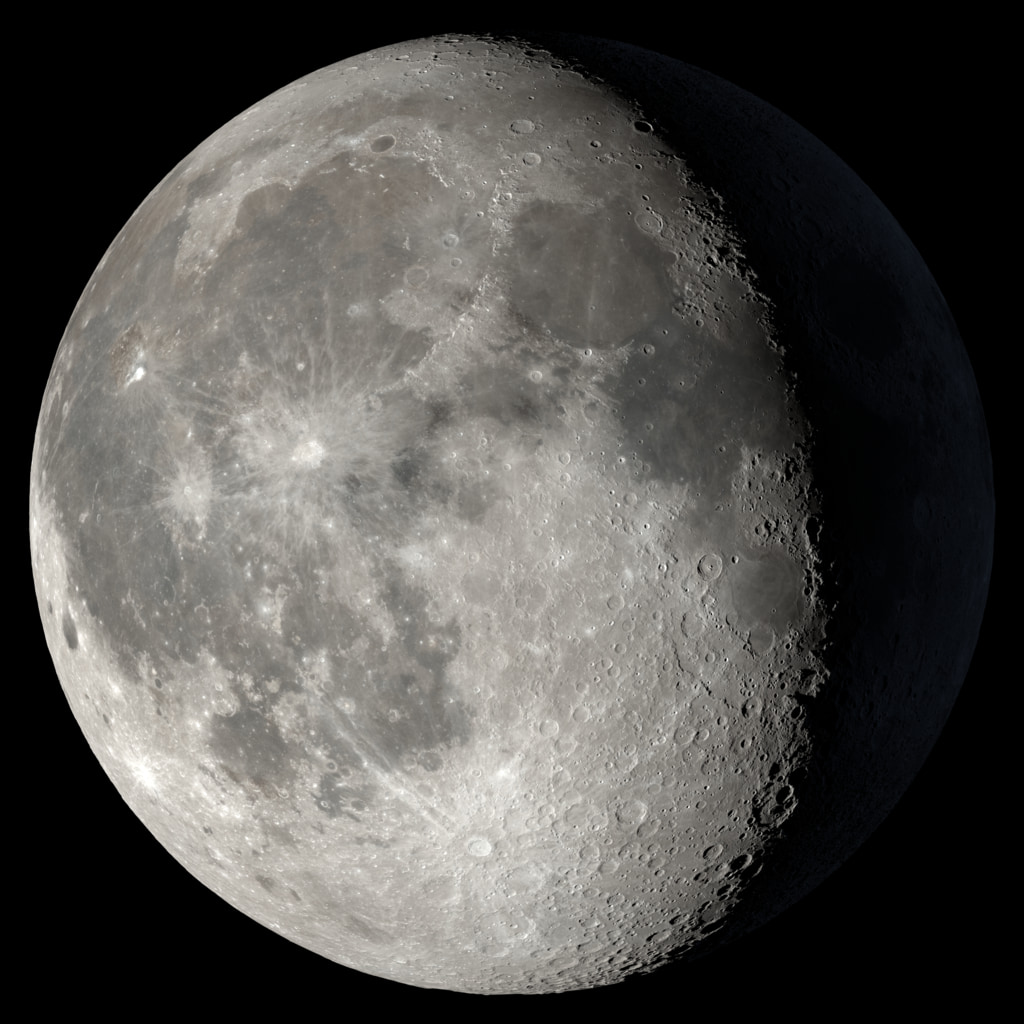
A waning gibbous Moon with the bright rays of Tycho crater, the kind of target people hope to photograph with camera binoculars

Binoculars Buying Guide · 2026

Binoculars With a Camera (2026): Which Are Worth Buying, and Can They Photograph the Moon?

Camera binoculars range from a toy with a screen to smart binoculars that identify birds. We compared what is on sale in the US on the specs that matter, read what expert reviewers found, and say plainly where these gadgets fall short, especially after dark.

Best overallSwarovski AX Visio
Best value smartSolvia ED 8x32
Best for kidsLeapFrog Magic Adventures
Best for Moon photosPhone adapter + 10x50

Hero image: the waning gibbous Moon from Lunar Reconnaissance Orbiter data. Credit: NASA’s Scientific Visualization Studio.

By Telescope Advisor Editorial Team Published: Updated: Reviewed & approved by Juhi Sahni, Senior Editor Editorial Standards

Affiliate disclosure: Telescope Advisor earns a commission from qualifying Amazon purchases made through links on this page, at no extra cost to you. It never affects our recommendations.

How this guide was made: this is a research-based guide. We have not run hands-on tests of these binoculars for this guide. The picks come from the makers’ published specifications, the findings of named reviewers (Space.com, BBC Sky at Night Magazine, GearJunkie and Digital Camera World) and basic optics. Where sources disagree on a figure, we leave it out or say so.

Quick Answer: Which Binoculars With a Camera Should You Buy?

  • Best overall: Swarovski Optik AX Visio 10x32. Premium optics, a 13-megapixel camera and wildlife identification for about 9,000 species. Space.com also rates its optics as a sound choice for stargazing. Very expensive.
  • Best value smart binoculars: Solvia ED 8x32. ED glass, an 8-megapixel camera, a 2.8-inch touchscreen and on-device bird ID in a mid-tier package. Sold direct by MatataXplore; see our Solvia 8x32 review.
  • Budget digital binoculars: Minolta MN1232A 12x32. A screen, 4K video and 48-megapixel stills on the box. Fine for casual daytime clips, not for sharp photos.
  • Best for kids: LeapFrog Magic Adventures Binoculars. Ages 4 to 7, a 2.4-inch screen, a photo button and 340+ BBC videos and images.
  • For the night sky: none of them. Use a phone adapter on ordinary binoculars for the Moon, or a smart telescope for deep-sky photos.

What Are Binoculars With a Camera? The Four Kinds

“Camera binoculars” and “digital binoculars” cover very different products. Knowing which kind you are looking at tells you most of what to expect.

1. Smart (AI) binoculars

Real optical binoculars with a camera module and identification software added. You look through glass as normal and press a button to photograph or identify a bird. Examples: Swarovski AX Visio, Solvia ED 8x32. Mid to premium tier.

2. Budget digital binoculars with a screen

Small binoculars with a built-in camera and a fold-up or rear screen for reviewing clips. The optics are basic and the camera is closer to a cheap action camera. Example: Minolta MN1232A. Budget tier.

3. Kids’ camera binoculars

Toy-grade binoculars with a screen, a photo button and games or videos. Built to survive children, not to take sharp pictures. Example: LeapFrog Magic Adventures. Budget tier.

4. Digital night vision binoculars

Fully electronic: a sensor feeds small displays inside the eyepieces, with an infrared illuminator for darkness and video recording. Made for hunting and wildlife at night. Example: ATN BinoX 4K. Mid to premium tier.

Our Picks: The Best Binoculars With a Camera

Best Overall
Swarovski Optik AX Visio 10x32

Swarovski Optik AX Visio 10x32

Optics: 10x32
True field: 6.4°
Camera: 13 MP (4208 × 3120)
Battery: up to 15 h normal, 2 h max
Weight: about 1 kg
ID: about 9,000 species

Swarovski bills the AX Visio as the world’s first AI-enabled smart binoculars. Underneath the tech it is a premium 10x32: Swarovski lists a 6.4° field of view and 88% light transmission. A 13-megapixel camera sits in the central housing between the barrels, and the identification button names birds and other wildlife, about 9,000 species according to Space.com, with the Merlin Bird ID and Swarovski Outdoor apps for transferring images. Swarovski quotes up to 15 hours of battery life in normal use and about 2 hours at maximum use. Space.com’s reviewer found the optics good enough to pick out Copernicus and Tycho on the Moon and called them a sound option for stargazing, while noting the weight and the price. Premium

Pros

  • Top-tier optics for looking, day or night
  • Instant bird and wildlife ID
  • One-button photos and video

Cons

  • Highest price tier by far
  • Heavy for a 32 mm pair
  • Phone app needed for full features

Best value smart binoculars · Mid

Solvia ED 8x32 AI Binoculars (MatataXplore)

The Solvia brings the smart-binocular idea down to the mid tier. GearJunkie and Digital Camera World both list an 8-megapixel CMOS sensor (Digital Camera World specifies 1/2.7-inch), a 2.8-inch touchscreen and electronic image stabilisation, and GearJunkie reports an IP64 rating and on-device identification of more than 10,000 bird species. The 8x32 ED optics give a wide, bright 4 mm exit pupil that also suits casual sweeps of the Milky Way. It is sold direct by MatataXplore rather than on Amazon US; sources disagree on its weight and photo resolution, so check the maker’s listing for the version you buy.

Read our Solvia 8x32 review →

Best Budget Digital Binoculars
Minolta MN1232A 12x32 Digital Binoculars

Minolta MN1232A 12x32 Digital Binoculars

Optics: 12x32
Screen: 2.4 in
Video: 4K (advertised)
Stills: up to 48 MP (advertised)

Roof-prism 12x32 binoculars with a built-in camera, a 2.4-inch screen and 8x digital zoom; retailers list 4K video and stills of up to 48 megapixels, and a 32 GB card in the box. Treat those numbers as file sizes rather than a promise of sharpness: the result is a fun daytime clip of a bird or a boat, not a photograph you would frame. At night, expect the bright Moon and little else. Budget

Best for Kids
LeapFrog Magic Adventures Binoculars

LeapFrog Magic Adventures Binoculars

Ages: 4–7
Magnification: 10x
Screen: 2.4 in
Power: 4 × AA

Made for ages 4 to 7, per LeapFrog: 10x magnification, a 2.4-inch colour screen, a button to capture photos (stored internally, or on a microSD card you add) and a night-vision mode. It runs on four AA batteries and includes more than 340 BBC videos and images about animals and nature. A good nature toy that makes kids want to look; it is not a stargazing instrument. Budget

ATN BinoX 4K 4-16x Day/Night Binoculars

ATN BinoX 4K 4-16x Day/Night Binoculars

Zoom: 4–16x, 40 mm
Video: 1080p
Rangefinder: 5–1,000 yd
Battery: 15+ h

A fully digital day-and-night binocular for hunters: ATN lists a 4-16x zoom with a 40 mm lens, a 4K-class sensor, 1080p video recording, a built-in infrared illuminator, a laser rangefinder rated from 5 to 1,000 yards and 15+ hours of battery life, at 1.12 kg. Excellent for watching wildlife in the dark; not suited to stargazing, because the illuminator only lights nearby subjects. Mid–Premium

Not a camera binocular: Unistellar Envision

If you found this page because you want binoculars that help with the night sky, Unistellar’s Envision is the product to watch. It is a 10x50 with an augmented-reality display that, according to BBC Sky at Night Magazine, draws constellation lines and marks clusters, nebulae and galaxies in the right eyepiece. The reviews describe guidance, not photography. Unistellar is taking pre-orders and says the public release is in 2027; it is not sold on Amazon.

For steady hand-held views without a camera, see our best image stabilized binoculars.

Camera Binoculars Compared

Figures are the makers’ or retailers’ published specs. “Night sky” is our assessment of what each can photograph after dark, based on its design.

ModelTypeOpticsCameraBest forNight skyTier
Swarovski AX Visio 10x32Smart (AI)10x32, 6.4°13 MPBirding, wildlife IDGreat to look through; Moon snapshots onlyPremium
Solvia ED 8x32Smart (AI)8x32 ED8 MP, 1/2.7″Birding on a budgetGood to look through; Moon snapshots onlyMid
Minolta MN1232ABudget digital12x324K / 48 MP (advertised)Casual daytime clipsBright Moon onlyBudget
LeapFrog Magic AdventuresKids10xPhotos onlyAges 4–7Not suitableBudget
ATN BinoX 4K 4-16xDigital night vision4–16x, 40 mm1080p videoHunting, night wildlifeNot suitableMid–Premium
Phone + adapter + 10x50DIY digiscopingAny binocularsYour phoneMoon, landscapes, birdsBest of these for the MoonBudget

How Good Are the Photos From Camera Binoculars?

Better than a few years ago, but still limited by physics. Three things hold them back:

  • Small sensors. The Solvia’s 1/2.7-inch sensor is smaller than the main camera in most recent flagship phones. A small sensor collects less light, so pictures get noisy as soon as the light drops.
  • Short focal length. The camera module has to fit inside a binocular body, so its reach is modest. Digital zoom just crops the picture; it does not add detail.
  • Hand shake. At 8x to 12x, every tremor shows. Electronic stabilisation (as on the Solvia) helps with video, and a tripod helps more.

The upside is speed. A bird appears, you press one button, and you have a record shot and often an identification, without fumbling with a phone or a camera bag. That is what birders buy them for, and that is where the premium models earn their price.

Can Binoculars With a Camera Photograph the Moon and Stars?

Mostly no, and it is worth being clear about it before you buy one as a stargazing gift.

The Moon: possible

The Moon is bright enough for short exposures, so a camera binocular on a tripod can record a recognisable disc with the main dark seas. Crater detail is limited. The best nights are around first quarter, when shadows along the day-night line stand out; our Moon phases guide explains why.

Planets and stars: barely

Jupiter and Venus show up as bright dots and the brightest stars may register. Jupiter’s moons, Saturn’s rings and colour in stars are beyond these small sensors in short, hand-held exposures.

Milky Way and deep sky: no

Nebulae, galaxies and the Milky Way need many seconds or minutes of exposure from a steady, ideally tracking, mount. Night-vision illuminators do not help: infrared light only reflects off nearby things.

Looking is a different story. Good optics such as the Swarovski or the Solvia are pleasant stargazing binoculars when you simply look through them. For the best views, though, ordinary 10x50 binoculars gather more light; see our best binoculars for stargazing, and our night vision vs astronomy binoculars guide for why night vision is the wrong tool for stars.

If what you really want is photos of the night sky

A smart telescope is built for it: it finds the target, tracks it and stacks many exposures into a finished image on your phone. The ZWO Seestar S30 Plus is our current pick for a compact one; read our Seestar S30 Plus guide or compare models in our smart telescope comparison.

Check Seestar S30 Plus price on Amazon →

The Alternative: A Phone Adapter on Ordinary Binoculars

For most people who want pictures through binoculars, this is the better buy. A phone adapter clamps your phone so its camera sits exactly over one eyepiece. You keep a modern phone’s larger sensor, night mode and processing, and you can move the same adapter to a spotting scope or telescope later. It is called digiscoping.

  1. Mount the binoculars on a tripod with a binocular tripod adapter. This matters more than anything else.
  2. Clamp the phone over one eyepiece and centre the lens until the circle of view fills the screen.
  3. For the Moon, tap to focus on it, lower the exposure until the bright areas are not washed out, and use the timer or a remote so you do not shake the setup.
  4. Zoom in a little with the phone to crop the dark edges, then take several shots and keep the sharpest.

Celestron lists the NexYZ adapter for eyepieces about 35 to 60 mm across, which covers the eyepieces of many binoculars and telescopes; measure yours first. Our smartphone telescope adapter guide and smartphone astrophotography guide go further.

Best Phone Adapter
Celestron NexYZ 3-Axis Phone Adapter

Celestron NexYZ 3-Axis Phone Adapter

Three-axis adjustment lines the phone up with the eyepiece. Works on binoculars, spotting scopes and telescopes.

Budget Stargazing Binoculars
Celestron UpClose G2 10x50 Binoculars

Celestron UpClose G2 10x50 Binoculars

Bright 50mm lenses for the Moon and star clusters. Pair with the adapter and a tripod.

Steadies the Shot
Celestron Binocular Tripod Adapter

Celestron Binocular Tripod Adapter

Mounts binoculars with a tripod socket on any standard 1/4-20 photo tripod.

More on steady mounts: best tripod for binoculars. Shopping the holiday sales? See our binocular Black Friday 2026 guide; the price under each button on this page comes live from Amazon.

Who Should Buy Binoculars With a Camera?

Good fit

  • Birders who want record shots and instant ID (smart binoculars)
  • Travellers who want one device for viewing and quick clips
  • Young children who will enjoy a screen and photo button (kids’ models)
  • Hunters and night-wildlife watchers (digital night vision)

Better served by something else

  • Stargazers: buy astronomy binoculars and a phone adapter
  • Anyone who wants night-sky photos: a smart telescope
  • Photographers who care about sharpness: a camera with a long lens
  • Budget gift-buyers: a good 8x42 or 10x50 pair will be used for years

Not sure what the numbers mean? Our guide to binocular numbers explains magnification, lens size and exit pupil, and our best astronomy gifts has more ideas for sky fans.

Binoculars With a Camera: FAQ

Are binoculars with a camera worth it?
For birders and wildlife watchers who want quick record shots and species ID, the good ones can be. The Swarovski AX Visio and the Solvia ED 8x32 pair proper binocular optics with a camera and identification software. Budget digital binoculars are fun, but their small sensors produce snapshots rather than sharp photos. If you mainly want good pictures, a phone on an adapter or a dedicated camera usually does better for the money.
Can binoculars with a camera take pictures of the Moon?
They can take a recognisable picture of a bright Moon, especially at the long end of their zoom and with the binoculars on a tripod. Do not expect crater detail like a telescope photo: the built-in sensors are small and the focal length is short. A phone held to the eyepiece of ordinary binoculars or a small telescope with an adapter usually gives a sharper Moon.
Can camera binoculars photograph stars, planets or the Milky Way?
Not usefully. Bright planets come out as small dots and only the brightest stars register, because the cameras take short exposures and are usually hand-held. Deep-sky objects and the Milky Way need long exposures from a steady mount. If you want photos of the night sky, a smart telescope such as the ZWO Seestar S30 Plus is designed for exactly that.
Are digital night vision binoculars good for stargazing?
No. Their infrared illuminator only lights up nearby objects, so it does nothing for stars, and digital night vision is built for spotting animals in the dark, not for showing faint points of light. Ordinary 10x50 binoculars show far more stars. Our night vision vs astronomy binoculars guide explains the difference.
Does a 48MP or 4K rating mean good photos?
Not on its own. On budget digital binoculars, megapixel and video figures are headline numbers that describe the file size, not how much detail the small sensor and lens can actually record. Look for sample images and independent reviews, and judge the optics separately, because you will spend most of your time looking through them.
Is a phone adapter better than binoculars with a camera?
For image quality and value, usually yes. A phone adapter clamps your phone over one eyepiece of binoculars, a spotting scope or a telescope, so you use the phone's camera and processing with whatever optics you already own. The trade-offs are setup time and lining the phone up with the eyepiece; built-in camera binoculars are quicker for a passing bird.
Are kids' binoculars with a camera any good?
They are good toys and can spark an interest in nature and the sky. Models like the LeapFrog Magic Adventures Binoculars add a screen, a photo button and educational videos. Do not expect sharp pictures; for a child who wants to look at the Moon, a pair of simple 8x or 10x binoculars or a beginner telescope shows more.
Is the Unistellar Envision a camera binocular?
Not in the sense of this guide. The Envision is a 10x50 binocular with an augmented-reality display that labels constellations and deep-sky objects in the eyepiece. Reviews describe it as a guide to the sky rather than a camera. Unistellar is taking pre-orders and says the public release is in 2027.

How We Chose and Sources

This guide is based on research, not on hands-on testing of these models. We looked at the camera binoculars sold in the US in November 2026, took specifications from the makers where they publish them, and checked each against at least one independent review or retailer listing. Figures that conflicted between sources were left out. Night-sky assessments follow from each model’s design and from the reviewers’ findings. Amazon listings were checked on November 21, 2026; prices change daily, so the price under each button comes live from Amazon. This guide was reviewed and approved by Juhi Sahni, Senior Editor.

  • Swarovski Optik: AX Visio product page (US) and 10x32 AX Visio specification sheet (via Clifton Cameras)
  • Space.com, Swarovski Optik AX Visio 10x32 binoculars review, Gavin Stoker, May 22, 2025
  • GearJunkie, MatataXplore Solvia ED AI binoculars, Scott Tharler, January 16, 2026; Digital Camera World, Solvia ED 8x32 launch report, March 16, 2026
  • Retail listings for the Minolta MN1232A (Amazon, Best Buy, Adorama)
  • LeapFrog US store: Magic Adventures Binoculars; UK retailer listings
  • ATN: BinoX 4K 4-16x product page and specifications; Primary Arms listing
  • BBC Sky at Night Magazine, Unistellar Envision smart binoculars review, Jamie Carter, October 2, 2025; Unistellar store
  • Celestron: NexYZ 3-axis universal smartphone adapter listings
  • Amazon US product listings for each linked model, checked November 21, 2026