What time is the eclipse on August 12, 2026 in Reykjavik?
The partial phase begins at approximately 4:47 PM GMT, totality runs from approximately 5:48 PM to 5:49 PM GMT (about 1 minute), and the partial phase ends at approximately 6:47 PM GMT. All times are in GMT (Iceland uses GMT year-round with no daylight saving).
How long will totality last in Reykjavik?
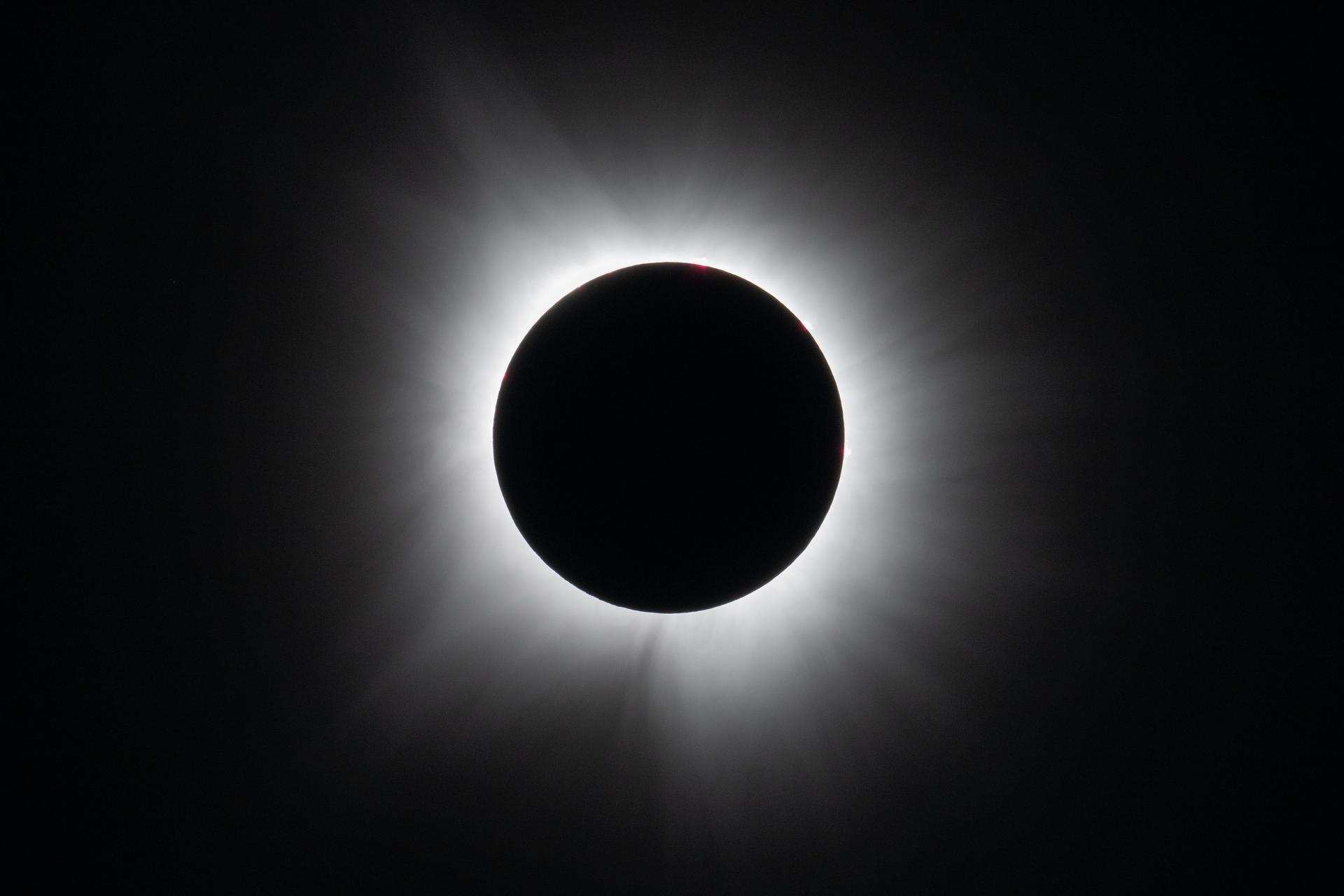
About 1 minute in Reykjavik, from 5:48 PM to 5:49 PM GMT, per NASA's figures. It is a brief but complete totality — the corona, diamond ring, and dramatic darkness are all visible. While shorter than Spain's maximum, it remains a rewarding experience.
Is Reykjavik the best place to see the 2026 eclipse?
That depends on your priorities. Reykjavik offers a high Sun altitude (~22°) within the path of totality, which means better telescope views and less atmospheric interference. However, weather odds are better in northern Spain, and the temperatures there are much warmer. Serious telescope observers who value a higher Sun over comfort should strongly consider Reykjavik.
What is the weather like in Reykjavik in August?
August in Reykjavik averages 10–15°C (50–59°F) with mixed conditions. Afternoon cloud cover is typical (65–75%), but weather systems move quickly and clear patches are common. Rain is possible about 30–40% of the time. The key advantage is Iceland's highly localized weather — a 20–30 minute drive can take you from overcast to clear skies.
Will the sky get dark during totality in Reykjavik?
Yes, but not as dark as night. Because the Sun is at 22° altitude in mid-afternoon (5:48 PM GMT), the sky will darken to a deep twilight blue. Brighter stars and planets (Venus, Jupiter, Mercury) will become visible near the Sun. The high Sun altitude keeps the horizon relatively bright, but the contrast near the Sun is striking.
What solar filter do I need for the Reykjavik eclipse?
For telescope viewing during the partial phases, you need a full-aperture solar filter that covers the front of your telescope. The Celestron EclipSmart Universal Solar Filter (fits up to 8" aperture) is our top recommendation. For naked-eye viewing, use ISO 12312-2 certified eclipse glasses such as Helioclipse or Lunt Solar. For binoculars, use dedicated solar binoculars with built-in filters like the Celestron EclipSmart series.
Can I see the eclipse from anywhere in Iceland?
The path of totality crosses southern Iceland. Reykjavik is within the path, as are most of the populated areas in the southwest including Keflavik, Hafnarfjörður, and the Reykjanes peninsula. The Westman Islands (Vestmannaeyjar) are also within the path. Northern Iceland (Akureyri, Mývatn) will see a deep partial eclipse but not totality.
How does the Reykjavik eclipse compare to the 2024 eclipse in North America?
The 2024 North American eclipse had the Sun much higher in the sky (60–70° altitude for most observers) and a longer totality (up to 4 minutes 28 seconds). The 2026 eclipse is a fundamentally different experience — the Sun is lower and totality is shorter. However, the 2026 eclipse's path crosses Iceland, Spain, and the Mediterranean, offering unique cultural and geographical settings that the 2024 eclipse could not match.