What Time Is the Lunar Eclipse Tonight? (USA) Exact ET/CT/MT/PT Times
Telescope Advisor Logo Telescope Advisor
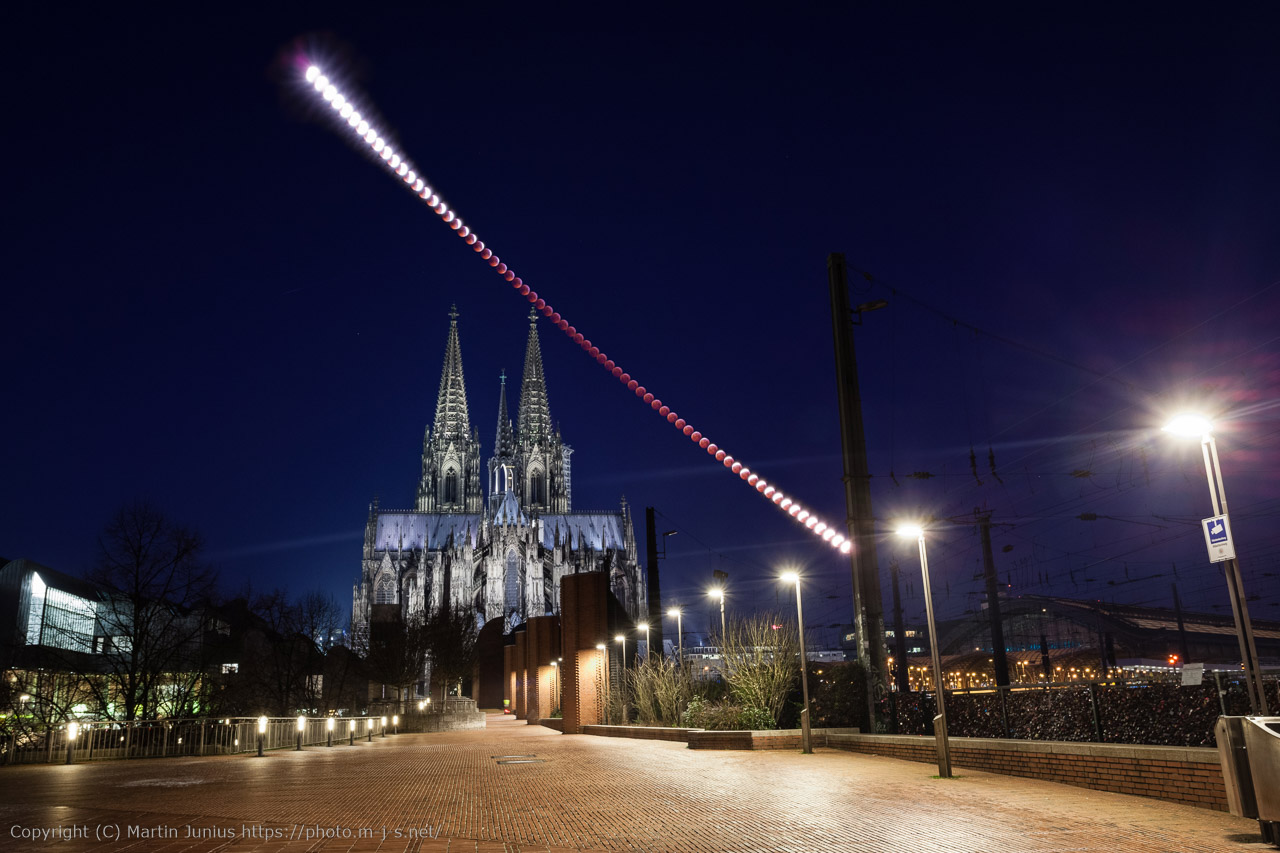
Lunar eclipse blood moon over city skyline

Live Lunar Eclipse Utility · USA Time Zones

What Time Is the Lunar Eclipse Tonight?
Exact ET, CT, MT, PT Times (USA)

Fast answer-first page for the next major US lunar eclipse window. Use this to know exactly when partial eclipse begins, when peak happens, and when the event ends in your time zone.

Aug 27-28

US Date Window

12:14 AM ET

Greatest Eclipse

3h 18m

Partial Duration

All 50

US States Visible

By Telescope Advisor Editorial Team Published: Updated: Editorial Standards

Quick Answer: What Time Is the Lunar Eclipse Tonight in the USA?

No lunar eclipse is happening tonight. The next major US lunar eclipse window starts on August 27, 2026 and peaks at 12:14 AM ET on August 28. That is about 2,232 hours from now.

For the August 2026 event: partial eclipse begins at 10:35 PM ET, greatest eclipse at 12:14 AM ET, and partial ends at 1:53 AM ET.

🔭

Not sure which telescope actually fits your goals?

Answer 5 quick questions about your budget, observing targets, and experience level — our Telescope Finder Tool recommends a specific model in under 2 minutes.

Find My Telescope →

Exact US Time-Zone Schedule (August 27-28, 2026)

These are the key partial eclipse stage times most people search for when they ask "what time is the lunar eclipse tonight".

Time Zone Partial Begins (U1) Greatest Eclipse Partial Ends (U4)
Eastern (ET)10:35 PM (Aug 27)12:14 AM (Aug 28)1:53 AM (Aug 28)
Central (CT)9:35 PM (Aug 27)11:14 PM (Aug 27)12:53 AM (Aug 28)
Mountain (MT)8:35 PM (Aug 27)10:14 PM (Aug 27)11:53 PM (Aug 27)
Pacific (PT)7:35 PM (Aug 27)9:14 PM (Aug 27)10:53 PM (Aug 27)

Reference: NASA GSFC eclipse timing converted to US time zones. Values shown to the nearest minute for practical field use.

Major US City Times

If you are checking quickly from your phone before heading outside, use your nearest city row.

New York, Boston, Miami (ET)

U1: 10:35 PM, Peak: 12:14 AM, U4: 1:53 AM

Chicago, Dallas, Houston (CT)

U1: 9:35 PM, Peak: 11:14 PM, U4: 12:53 AM

Denver, Salt Lake City (MT)

U1: 8:35 PM, Peak: 10:14 PM, U4: 11:53 PM

Los Angeles, Seattle, Phoenix (PT)

U1: 7:35 PM, Peak: 9:14 PM, U4: 10:53 PM

Best 45-Minute Viewing Plan

Arrive about 20 minutes before your local U1 time. The most dramatic interval is from ~20 minutes before peak through ~20 minutes after peak, when the umbral darkening and red-orange color contrast are strongest.

Simple plan that works

  1. Set up with a stable view of open sky 25 minutes before U1.
  2. Use naked eye first, then binoculars for shadow edge detail.
  3. Switch to telescope at 30x-80x near peak for crater-edge contrast.
  4. Take one photo every 10-15 minutes for a clean progression sequence.

What You Will See

Expect a dark curved "bite" to grow across the Moon, followed by deep shadowing and warm copper tones near maximum. This August 2026 event is a deep partial eclipse (umbral magnitude 0.930), so one limb remains brighter while most of the disk dims strongly.

Best Gear for Lunar Eclipse Night

A lunar eclipse does not require solar filters. The best setup is whichever lets you observe comfortably for at least one hour.

Editor's Pick — Fastest Setup
Celestron SkyMaster 15x70 binoculars for lunar eclipse viewing

Celestron SkyMaster 15x70 Binoculars

The easiest high-impact choice for eclipse night. You get strong shadow-edge detail, wide framing, and almost zero setup friction.

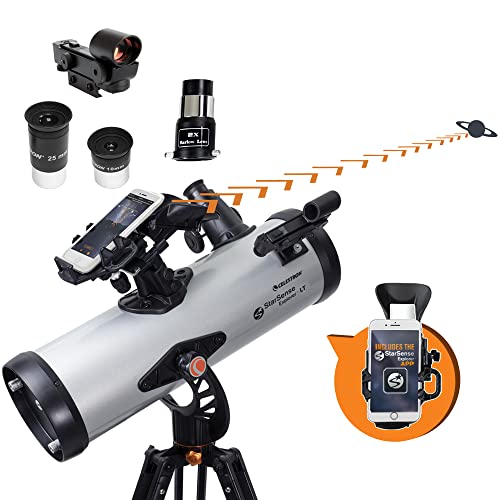
Celestron StarSense LT 114AZ telescope for lunar eclipse viewing

Celestron StarSense Explorer LT 114AZ

Great if you want higher magnification crater detail during peak shadow contrast and easy phone-assisted target finding.

FAQ

Do I need eclipse glasses for a lunar eclipse?

No. Lunar eclipses are safe to watch with naked eyes, binoculars, and telescopes.

What is the single most important time to catch?

Greatest eclipse in your local time zone. That is when shadow depth and color contrast are strongest.

Where can I get full event context?

Use our complete event guide: Lunar Eclipse 2026 Telescope Guide.

Related Guides