International Dark Sky Week 2027: Dates & How to Celebrate
Telescope Advisor Logo Telescope Advisor
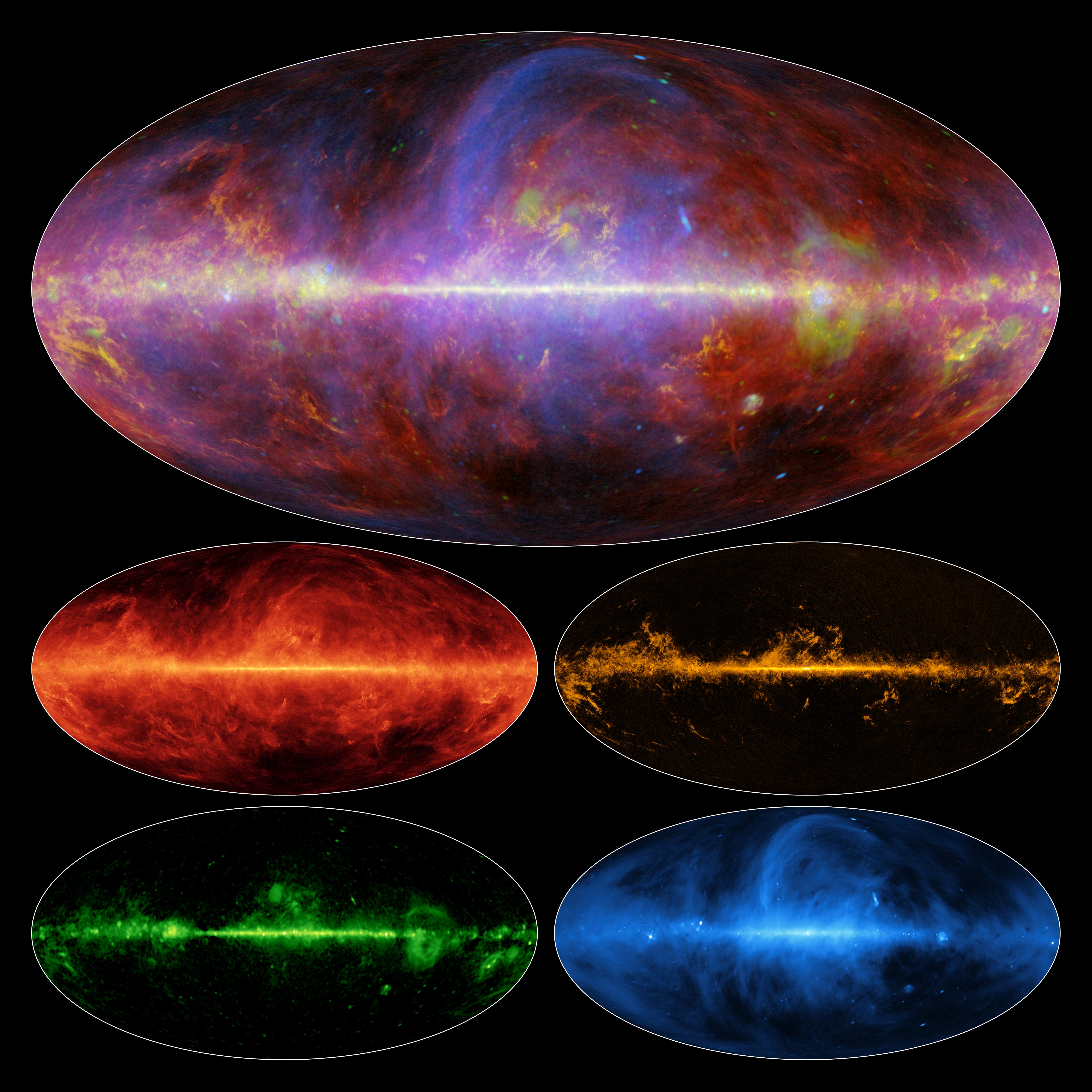
A dark, star-filled night sky — the Milky Way banding across a natural, unpolluted sky, the subject of International Dark Sky Week

DarkSky International · April 2027

International Dark Sky Week 2027: Dates, What It Is, and How to Celebrate

For one week every April, people around the world turn off their unnecessary lights and step outside to remember what a natural night sky looks like. International Dark Sky Week 2027 runs April 5–11, 2027 — the week of the new moon, when the sky is at its darkest. It is the easiest, cheapest, and most rewarding astronomy event on the calendar: the "observing" is free, the target list is the entire Milky Way, and you can take part from a backyard, a balcony, or a certified dark-sky park.

2027 datesApril 5–11, 2027
Why thenWeek of the new moon
Founded2003 · Jennifer Barlow
The ideaKill the lights, see the stars
By Telescope Advisor Editorial Team Published: Updated: Reviewed & approved by Juhi Sahni, Senior Editor Editorial Standards

Quick Answer: When Is International Dark Sky Week?

International Dark Sky Week 2027 runs from Monday, April 5 to Sunday, April 11, 2027, according to the event's organizers at DarkSky International. The week is not a fixed calendar date — it is scheduled each year for the week of the new moon in April, so the night sky is as dark as it ever gets, with no moonlight washing out the stars. The 2026 edition ran April 13–20, and DarkSky has already published 2027 (April 5–11) and 2028 (April 24–30) dates.

The premise is gloriously simple: people around the world switch off unnecessary lighting and spend the dark hours outside, looking up. It began in 2003 as a high-school project by a Virginia student named Jennifer Barlow, and it is now spearheaded by DarkSky International — the global light-pollution organization formerly known as the International Dark-Sky Association. Whether you live under Bortle-class-9 city skies or beside a certified dark-sky park, there is a way to take part, and the "gear" needed is effectively optional.

The dates

April 5–11, 2027, the week of the new moon. Published by DarkSky International; check their site each winter for the following year's confirmation.

The point

Temporarily cut light pollution, raise awareness of what it costs us, and get people outside to see the night sky in something close to its natural state.

The best view

A new-Moon night from the darkest sky you can reach. But even city observers get a real benefit: many landmarks dim their lights for the week, and what remains visible from a bright sky is still worth the walk outside.


🔭

Not sure which telescope actually fits your goals?

Answer 5 quick questions about your budget, observing targets, and experience level — our Telescope Finder Tool recommends a specific model in under 2 minutes.

Find My Telescope →

What Is International Dark Sky Week?

International Dark Sky Week (IDSW) is a worldwide event that draws attention to light pollution, promotes simple solutions to reduce it, and celebrates the natural night sky. During the week, participants are encouraged to turn off unnecessary indoor and outdoor lighting and spend time observing the sky — and to learn about why artificial light at night matters far beyond aesthetics.

It is useful to think of IDSW as three activities happening at once:

A dim-the-lights challenge

The core action is switching off what you do not need. When a city, neighborhood, or single street turns off unneeded lights, the effect on the sky is immediate — and the week proves how much of our outdoor lighting is wasted upward into the sky.

A global star party

With moonlight out of the way and artificial light reduced, it is an excuse for clubs and communities to hold star parties, public observing nights, and dark-sky site visits — the ideal week to try astronomy for the first time.

An awareness campaign

Organizations, schools, and DarkSky chapters run programs on human health, wildlife, energy waste, and safer lighting design — with the message that good lighting is a solvable engineering problem, not an inevitability.

The week intentionally coincides with Global Astronomy Month, an April program run by Astronomers Without Borders, so dark-sky celebrations and astronomy outreach reinforce each other across the month. If you have never attended a club star party, this is the week most astronomy clubs go out of their way to welcome newcomers — find one near you in our US astronomy club directory.

A High-School Idea That Went Global

International Dark Sky Week began in 2003, founded by Jennifer Barlow, then a high school student in Midlothian, Virginia. What started as a school project — originally under the name National Dark Sky Week — grew quickly. The event earned early visibility in astronomy media, was endorsed by the International Dark-Sky Association, and expanded to international scope. Barlow described the night sky as a shared natural treasure that careless lighting hides from too many people, and her hope was that the event would keep that sky visible for the generations that come after us.

Today the event is spearheaded by DarkSky International — the nonprofit formerly known as the International Dark-Sky Association (IDA) — which was itself founded in 1988 and is now recognized worldwide as a leading authority on light pollution. DarkSky manages the official IDSW dates, provides event resources, and runs the certification programs (Dark Sky Places, responsible-lighting approvals) that stargazers use to find genuinely dark locations. When you see a park described as an "International Dark Sky Park," that certification comes from this organization — and it is exactly the kind of place you want to be during IDSW.

Why the Week of the New Moon?

The single biggest natural source of "sky brightness" is the Moon, and the single biggest artificial source is light pollution. International Dark Sky Week attacks both at once by scheduling itself around the new moon, when the Moon is absent from the night sky entirely.

On a new-Moon night, whatever light remains in the sky is almost entirely artificial — which makes the week's dim-the-lights message measurable. If you can observe from the same spot on a new-Moon night during the week and compare it with a night near full Moon, you see firsthand the difference between "moonlight-limited" and "skyglow-limited" skies. And because the goal of the week is to show people the darkest possible sky, scheduling for the new moon guarantees the best possible observing conditions regardless of where you live.

To understand where the Moon is during the week — and why its absence matters so much for faint deep-sky objects — our Moon Phases Explained guide walks through the full cycle and its effect on observing.

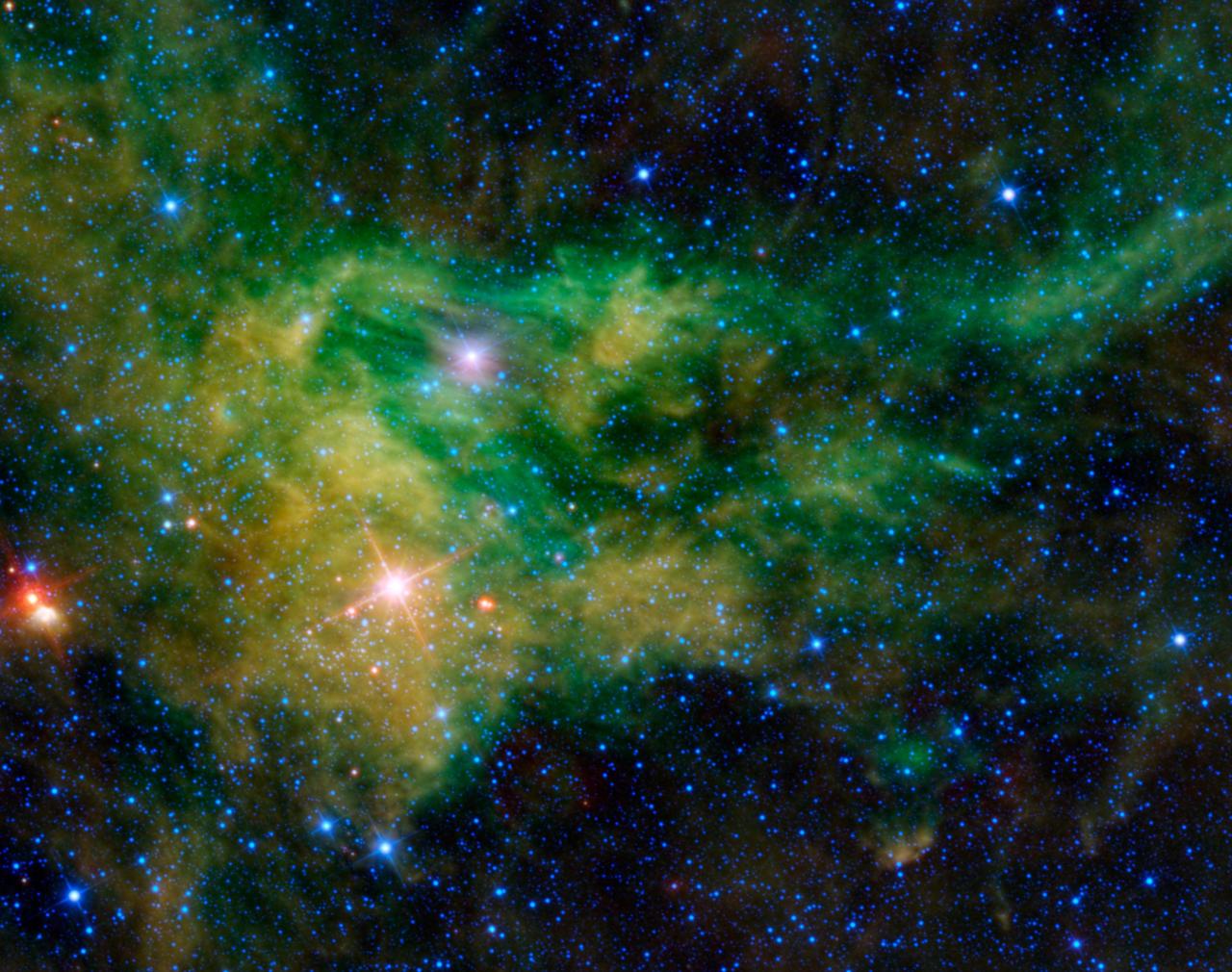
A field of stars against a dark night sky — the natural sky that dark-sky week encourages people to step outside and see

A New-Moon Sky

With the Moon out of the way, the sky's remaining glow is almost entirely artificial light — which is why the week targets it directly. Credit: NASA.

What Light Pollution Hides From You

Most people who live in or near a city have never seen the sky as it actually is. Artificial light scatters in the atmosphere and creates a glowing dome — skyglow — that overwhelms faint stars and, in large cities, hides the Milky Way completely. Astronomers measure this on the Bortle scale, a 1-to-9 system where 1 is a pristine dark sky and 9 is inner-city skyglow. A beginner's telescope under Bortle 8–9 skies can show the Moon and planets beautifully but struggles with everything faint — not because the telescope is bad, but because the sky itself is bright.

Light pollution is not only an astronomer's complaint. The consequences documented by DarkSky and health and ecology researchers include:

Wildlife disruption

Artificial light at night alters the behavior of birds, sea turtles, insects, bats, and other nocturnal species — from disorienting hatchling sea turtles to shifting the migration and feeding timing of birds and insects.

Human health

Exposure to light during traditional sleeping hours can disrupt the body's natural circadian rhythms and reduce melatonin production, which is linked to sleep quality and broader health effects.

Wasted energy

Light aimed upward or left on when nobody needs it is energy spent illuminating nothing useful. Better-designed, fully shielded fixtures deliver light where it is needed — the ground — and nowhere else.

The good news: this is reversible, and the solutions are well understood. DarkSky's guidance for responsible outdoor lighting boils down to using light only when needed, aiming it downward and confining it where it belongs, using no more than necessary, choosing warm rather than cool-blue light, and preferring fully shielded fixtures. For the full picture of what different skies look like and how to measure yours, see our Bortle scale guide and the US dark-sky map guide.

How to Take Part in 2027

International Dark Sky Week has no ticket, no registration requirement, and no minimum commitment. The official suggestions, and our practical spin on each:

1. Turn off unneeded lights

Go through your home and switch off decorative, security, and outdoor lights you do not actually need for safety. This is the defining act of the week — and the one that creates the darker sky everyone else enjoys.

2. Go outside and look up

Even from a bright city, a new-Moon night rewards a few minutes of looking. If you can, drive to the darkest site within reach — a certified dark-sky park is ideal. Our state and region guides (like best stargazing national parks) point you to the closest good skies.

3. Join a local event

Astronomy clubs, parks, and DarkSky chapters hold public star parties and programs during the week. It is the friendliest possible introduction to the hobby — club members love showing off the sky to newcomers. Start with our club directory.

4. Be a citizen scientist

Globe at Night — an international program running through the week — asks volunteers to report how many stars they can see in a specific constellation. Your phone-based observation becomes real data scientists use to track light pollution worldwide.

5. Spread the word

Talk to neighbors, your homeowner's association, or local officials about responsible lighting. Share what you see with the #IDSW hashtag. One of the fastest ways to improve your own skies is simply to ask for better, fully shielded street and yard lighting.

6. Bring new observers along

The week is the perfect excuse to hand binoculars to a friend or set up a telescope for the first time. If the sky's darkness inspires a first scope, our beginner telescope guide and astronomy as a hobby are good starting points.

What to Look For During Dark Sky Week

A new-Moon April week is a deep-sky feast for the Northern Hemisphere. The winter showpieces (Orion, the Pleiades, the Andromeda Galaxy) are still in the western evening sky as spring galaxies (the Virgo cluster, the Whirlpool, the Leo Triplet) climb into view. Even without a telescope, the difference between a city sky and a dark sky is the single most dramatic "upgrade" in astronomy:

The naked-eye Milky Way

From a truly dark site, the summer Milky Way's spring precursor — the band of the galaxy arching through faint constellations — becomes plainly visible. Most city dwellers have literally never seen it.

Galaxies without a telescope? No — with binoculars

Under a dark new-Moon sky, binoculars pick up the Andromeda Galaxy and bright star clusters that a small telescope in a city would struggle with. It is the best possible night to own binoculars. Our binocular picks.

What to See Tonight, by location

If clouds or city lights limit your week, our What Can You See Tonight? guide sorts realistic targets by your sky conditions and the Moon.

Because the week falls on the new moon, every target in the sky is at its best — there is no moonlight to dodge. That makes it the ideal week for faint objects like galaxies and nebulae, which are exactly what most city-based beginners have never successfully seen. A first deep-sky telescope and a dark-sky park make a combination you will never forget.

Gear for Your Darkest Night

Honest gear advice for Dark Sky Week: you need nothing, and the single best "equipment" purchase for most people is a trip to a dark site rather than a new telescope. But if you do want to make the most of the darkest week of the year, this is the order of impact:

Binoculars — the dark-sky essential

Wide fields, instant setup, and they show the deep-sky showpieces that city skies hide. The single best-value way to enjoy IDSW. Best stargazing binoculars.

A telescope that rewards dark skies

For galaxies and nebulae, aperture matters most — which is why Dobsonians shine at dark sites. See best deep-sky telescopes and best Dobsonians.

For city observers

If you cannot leave the city, choose gear tuned to bright skies and use filters that cut skyglow: telescopes for light-polluted skies and light-pollution filters.

A dark-sky site — the best upgrade

A 2-hour drive from a city often improves your sky by several Bortle classes — the difference between "a handful of stars" and "the Milky Way." Use the dark-sky map and national parks guide to find one.

Comfort and red light

A folding chair, warm layers, and a red-light flashlight (or a phone set to red/night mode) preserve your dark adaptation and make a long night genuinely enjoyable. It is the least-glamorous gear on this list and the most used.

Apps and charts

A stargazing app that shows you where the galaxies are makes your dark night far more productive. See our best astronomy apps and stargazing apps roundups.

Taking It Beyond One Week

The week is deliberately short, but its point is permanent change. The most effective things you can do after IDSW ends are also the most local:

  • Audit your own lights. Replace unshielded fixtures with fully shielded ones that point light down, switch to warm-white bulbs, and add timers or motion sensors so light is on only when needed.
  • Support dark-sky designations. Dark Sky Places — parks, reserves, and communities certified by DarkSky International — protect the sky permanently. Visiting them (and telling their managers you came for the dark) keeps the program funded and visible.
  • Keep observing. The new-moon window recurs every month, not just in April. Our best telescopes this month and monthly night-sky guides help you keep the habit year-round.


Next Best Step

Need the fastest next step?

Pick the path that matches where you are right now: get a recommendation, compare buyer guides, or narrow by budget.

Open Finder Tool →

🎄 Holiday season: Telescope Christmas Gift Guide 2026 · Smart telescope Black Friday deals

International Dark Sky Week FAQ

When is International Dark Sky Week 2027?

April 5–11, 2027, according to the event's organizers at DarkSky International. The week is scheduled each year to fall on the week of the new moon in April so the night sky is at its darkest. Past and future reference dates published by DarkSky include 2026 (April 13–20) and 2028 (April 24–30).

What is International Dark Sky Week?

It is a worldwide annual event that draws attention to light pollution, promotes simple solutions to reduce it, and encourages people to go outside and enjoy the natural night sky. Participants turn off unnecessary lighting and take part in observing events, educational programs, and citizen-science projects like Globe at Night.

Who started International Dark Sky Week?

It was founded in 2003 by Jennifer Barlow, then a high school student in Midlothian, Virginia, originally as National Dark Sky Week. The event expanded internationally and is now spearheaded by DarkSky International, the nonprofit formerly known as the International Dark-Sky Association.

Why is it held during the week of the new moon?

Because the new moon means no moonlight, giving the darkest possible sky. That makes the week ideal for observing faint objects like galaxies and the Milky Way, and it means any remaining sky brightness during the week comes almost entirely from artificial light — which is exactly what the event asks people to reduce.

Do I need a telescope to celebrate?

No. The defining activity is simply going outside and looking at the night sky, and many of the week's best sights are visible to the naked eye or in binoculars from a dark site. A telescope is a great addition but entirely optional.

I live in a bright city — can I still take part?

Yes. You can still turn off unnecessary lights, join a local star party or online event, contribute a Globe at Night observation, and see the Moon, planets, and brightest stars from your own yard. For the faintest objects, plan a short trip to the nearest dark-sky site using a dark-sky map.

Who runs International Dark Sky Week now?

DarkSky International (formerly the International Dark-Sky Association) spearheads the event and publishes the official annual dates and resources. The week also coincides with Global Astronomy Month, organized by Astronomers Without Borders, and is supported by astronomy clubs and DarkSky chapters worldwide.

What is the best thing to look at during Dark Sky Week?

Whatever is faintest — because the new moon and reduced light pollution give you the deepest sky of the month. In an April evening, that means galaxies and spring deep-sky objects, plus the naked-eye Milky Way if you can reach a genuinely dark site. Binoculars and a mid-size telescope excel under these conditions.


Continue Exploring

Keep the session going with the next useful answer

Choose the next page based on whether you need a recommendation, a comparison, or a practical observing plan.

Use Finder Tool →

🎄 Holiday season: Telescope Christmas Gift Guide 2026 · Black Friday deal tracking