Quick Answer: What Are the Best Telescope Targets in December 2026?
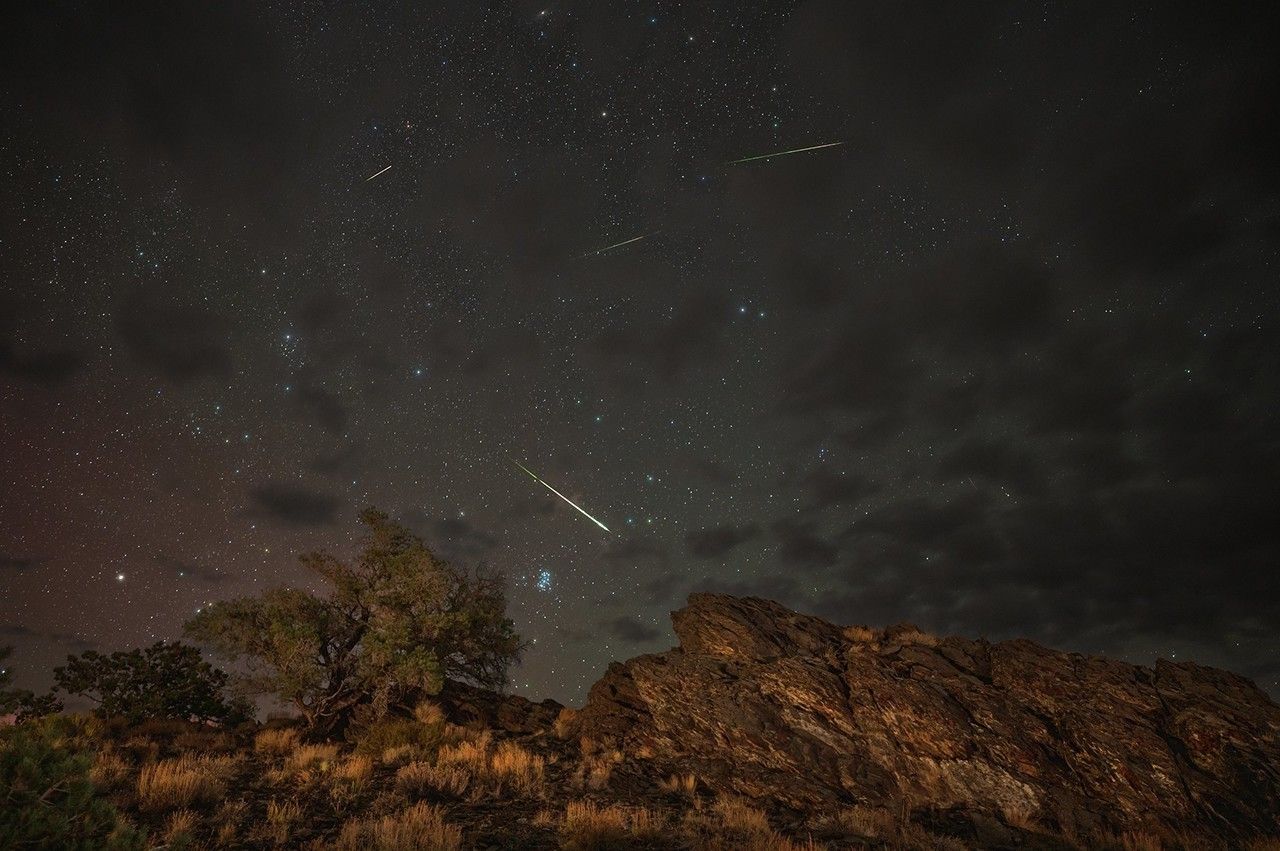
The single best event of December 2026 is the Geminid meteor shower on the night of December 13–14 — up to 120 meteors per hour from a dark site, with the thin crescent Moon setting by roughly 9–10 PM and leaving the critical post-midnight window completely dark. The Geminids are a naked-eye event; the telescope's job that night is Jupiter and the Orion Nebula between meteors.
For the eyepiece itself, December belongs to two objects. Jupiter, brightening toward magnitude −2.5 in Leo with a disk growing toward 44 arcseconds, rises in the mid-to-late evening by mid-month and climbs highest after midnight — a steadily improving view in the run-up to its February 10–11, 2027 opposition. And the Orion Nebula (M42) reaches its annual prime: transiting at nearly 60° altitude around midnight, riding cold, stable air through the longest nights of the year. Around them, the calendar stacks the Winter Solstice on December 21, the minor Ursid shower on December 22, and the Cold Moon on December 23–24 — a supermoon, the highest-riding full Moon of the year, and still just past full for every telescope unwrapped on Christmas morning.
Headline event: Geminids, Dec 13–14
Up to 120/hr from dark skies, slow bright fireball-rich meteors, moonlight-free peak window. Full Geminids 2026 guide →
Telescope highlight: Jupiter & M42
Jupiter nearing opposition with belts, moons, and shadow transits; the Orion Nebula at its highest of the year. Jupiter guide →
Season closer: the Cold Moon
December 23–24 — the year's final full Moon, a supermoon, and the highest-riding of all, crowning the Christmas-week sky. Cold Moon 2026 guide →
Looking for the general calendar of everything happening this month, telescope or not? See our companion page Night Sky in December 2026. This page is the telescope-first version: what to point at, when, and with how much magnification.