
International Observe the Moon Night 2026: Date & How to Join
Telescope Advisor Logo Telescope Advisor
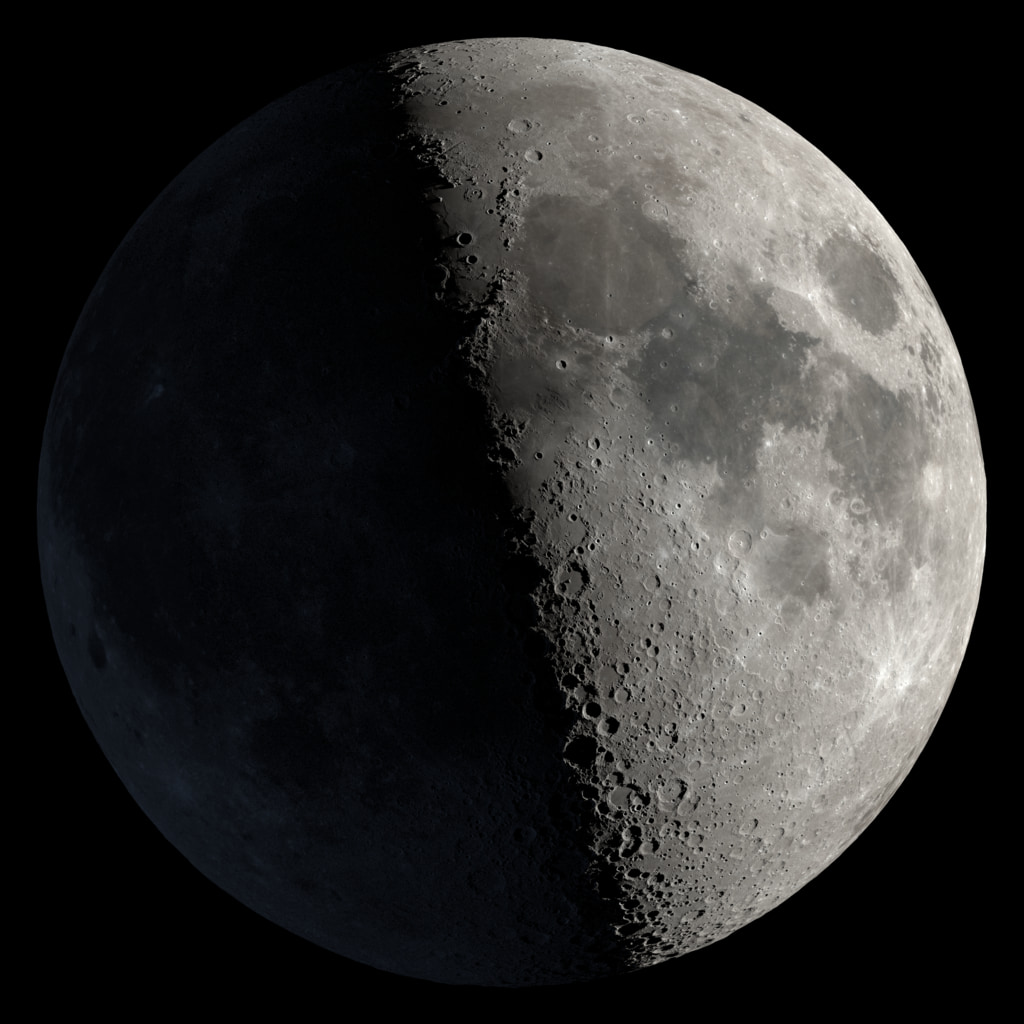
The Moon's cratered surface imaged by NASA's Lunar Reconnaissance Orbiter — International Observe the Moon Night is September 19, 2026

NASA Global Observance · September 19, 2026

International Observe the Moon Night 2026: Date, How to Join, and What to See

On Saturday, September 19, 2026, people on every continent will point their eyes, binoculars, and telescopes at the same object for a single, coordinated night: Earth's Moon. International Observe the Moon Night is NASA's free, annual, worldwide lunar celebration — no telescope required, no experience needed. Here is the date, what makes the 2026 edition special, how to join, and exactly what you can expect to see.

Event dateSeptember 19, 2026
Moon phase∼56% waxing gibbous
CostFree — worldwide
One week laterHarvest Moon (Sep 26)
By Telescope Advisor Editorial Team Published: Updated: Reviewed & approved by Juhi Sahni, Senior Editor Editorial Standards

Quick Answer: When Is International Observe the Moon Night 2026?

International Observe the Moon Night 2026 falls on Saturday, September 19, 2026. NASA picks a Saturday near the Moon's first-quarter phase each autumn, when the shadows along the terminator — the line between lunar day and night — make craters and mountains leap into relief. In 2026 that timing is nearly perfect: the Moon reaches first quarter around September 18, so on the 19th it sits about 56% illuminated, still a shadow-rich waxing gibbous. Best of all, the event is completely free and open to everyone, everywhere.

There is no single "official" hour. International Observe the Moon Night is really two nights in one: a global roster of hosted events (public telescopes, planetarium programs, and virtual streams) plus the simplest possible invitation — step outside after sunset and look up at the Moon. In 2026 the Moon is up for most of the evening in the Americas and for part of the night elsewhere, so almost any time between dusk and midnight works. You can register your participation on NASA's official event site, attend a hosted event near you, or join a virtual one from home.

The date

Saturday, September 19, 2026. New Moon fell September 11, so the Moon is roughly a week old — just past first quarter, about 56% lit.

The best viewing window

From dusk into late evening. The Moon climbs well above the horizon through the evening in North America; exact rise time varies by location, so check a local moonrise table.

The hook

Craters and mountains along the terminator at maximum contrast. And if the night is clear, you have a built-in sequel: the full Harvest Moon on September 26.


🔭

Not sure which telescope actually fits your goals?

Answer 5 quick questions about your budget, observing targets, and experience level — our Telescope Finder Tool recommends a specific model in under 2 minutes.

Find My Telescope →

What Is International Observe the Moon Night?

International Observe the Moon Night is an annual worldwide public-outreach event organized by NASA's Lunar Reconnaissance Orbiter (LRO) mission and its partners. On a single Saturday each autumn, observatories, universities, museums, libraries, parks, schools, astronomy clubs, and private backyards all point at the same target. The goal is deliberately simple: get more people looking at, thinking about, and enjoying the Moon.

The modern event dates to 2010, but its roots go a year earlier. During the 2009 International Year of Astronomy, the teams behind NASA's LRO and LCROSS lunar missions held a celebration called "We're at the Moon!", and a separate US-focused National Observe the Moon Night ran in the same era. Those threads were merged into the international event in 2010, and it has run every year since — typically drawing several hundred registered events across dozens of countries, with many more people simply observing from home. Hosting organizations run the gamut from NASA visitor centers to amateur astronomy clubs and neighborhood science nights.

Registration is open to everyone: you can mark yourself as an official participant on the NASA event page, search for a public event near you, or — most useful of all — register to host your own small gathering. NASA supplies free activity guides, printable Moon maps, and hands-on ideas, so hosting can be as casual as handing binoculars to your neighbors. For the science behind the phases and features you will see that night, our Moon Phases Explained guide is a useful primer to skim beforehand.

Why the 2026 Date Is a Good One

The date is not arbitrary — it is chosen to put the Moon in its most telescope-friendly phase. Around the first quarter, sunlight strikes the lunar surface at a shallow angle, throwing long shadows across craters and mountains. The terminator region becomes a landscape of dramatic relief instead of the flat, washed-out disk you get at full Moon.

Here is exactly where the Moon sits on September 19, 2026, in the context of the month's phases:

Date (2026) Moon phase What it means for you
September 11 New Moon The phase clock starts — the Moon is a thin, invisible sliver for a night or two, then begins its evening comeback
September 17–19 First Quarter zone Terminator shadows at their most dramatic — the ideal crater-viewing window, and exactly when the event is scheduled
September 19 InOMN — ∼56% lit Just past first quarter: rich shadow detail still on display, with the Moon up for most of the evening in the Americas
September 26 Full Moon — Harvest Moon One week later: the full Moon closest to the autumn equinox rises near sunset for several nights running

There is a second, very 2026 reason to care about this year's edition. International Observe the Moon Night returns for the first time since a crewed Artemis mission circled the Moon: NASA's Artemis II crew flew past the Moon in April 2026, and NASA's official 2026 event materials include an "Artemis II: Observe the Moon Like an Astronaut" activity that lets you use real LRO imagery to find craters and mountains the crew saw. It is a small reminder that the Moon you are looking at is also an active destination again. For the full picture of September's sky beyond the Moon — including Saturn near its annual best — see What to See With a Telescope in September 2026.

How to Participate — Every Level

There is no wrong way to take part. International Observe the Moon Night is explicitly designed so that a classroom, a family, or a single person on a balcony can all join. Your options, from simplest to most involved:

1. Just look up

The most common way to take part requires zero equipment: step outside after sunset, find the Moon, and spend a few minutes really looking at it. Notice that it is not a flat white circle — even to the naked eye you can trace the dark maria and, near the terminator, sense the relief that shadows reveal. If clouds roll in, NASA's "rain or shine" resources keep the night useful with indoor activities.

2. Add binoculars

Binoculars are the single best "step up" for this event, and the ones NASA itself recommends for newcomers. A steady 10×50 or 7×35 pair turns the Moon from a disk into a surface: whole crater fields, the straight walls of the lunar fault known as the Straight Wall, and the maria resolving into smooth plains. Rest your elbows on a fence or car roof for steadiness. Choosing a pair: best binoculars for stargazing.

3. Attend or host an event

Public events are the heart of the night — hosted by observatories, universities, NASA visitor centers, museums, libraries, parks, and astronomy clubs, both in person and virtually. On the official NASA event site you can search for events near you, and registering yourself as an official participant takes under a minute. Hosting your own is encouraged: a single telescope in a driveway, with a line of neighbors, counts.

4. Join virtually

If the sky is cloudy or you live in a light-soaked city, virtual is not the consolation prize — it is a mainstream option. Many organizations stream live telescope views of the Moon during the event. Keep NASA's official event page and its linked partners bookmarked; streams typically appear the day of the event, especially for viewers across the Americas where the Moon is high in the evening sky.

A note on timing: because the event is global, "September 19" means different local windows for different people. In the Americas the waxing gibbous Moon is conveniently placed in the evening sky; in Europe and Africa it is also well placed in the evening; in Asia and Oceania the Moon is up in the early-to-mid evening too. Whatever your longitude, the practical rule is the same — check a local moonrise time and start looking as soon as the Moon clears the horizon, when it still looks large and warm-toned.

What to Look For on September 19

At roughly 56% illuminated, the Moon is just past first quarter — a waxing gibbous with the terminator still sweeping across the western half of the visible disk. That geometry is the whole point of the date: the craters and mountains straddling the terminator are throwing long shadows, which is exactly what makes lunar detail pop. A practical target list for the evening:

Craters on the shadow line

The craters currently crossing the terminator are the ones that look three-dimensional — lit rims and dark, shadow-filled floors. At low power, trace the terminator from pole to pole and watch individual craters change character hour to hour as the Sun angle shifts.

The dark maria

The smooth, dark "seas" formed by ancient lava flows stand out strongly against the bright highlands near the day/night boundary — easy in binoculars, striking in a telescope, and a reminder that the Moon once had active volcanism.

Bright "guest star" targets

A bright Moon does not wash out everything. In late September 2026, Saturn is shining at about magnitude 0.3 with its rings tilted roughly 7.5° — a superb bonus target for the same session. See Saturn opposition guide.

For a full phase-by-phase map of what to look at and at what magnification — plus how to find landmark features like the Apennine mountain range and the crater Copernicus — our complete How to Observe the Moon guide is the best companion to print or bookmark before the night.

Gear: From Naked Eye to Telescope

International Observe the Moon Night is refreshingly honest about equipment: you do not need anything, and a huge share of participants observe with the naked eye or binoculars. But if you want to level up the view — or if the night nudges you toward buying your first telescope — here is the sensible upgrade ladder, roughly in order of cost and impact.

Binoculars — the best first upgrade

Instant gratification, zero setup, and genuinely excellent Moon views. A 10×50 is the classic all-rounder. If you own only one observing item, this should be it. See our binocular picks.

A first telescope for the Moon

The Moon is the perfect first telescope target — bright, easy to find, and endlessly detailed. Any decent 60–80mm refractor or tabletop Dobsonian will deliver unforgettable views at 75–150×. Best telescopes for the Moon · beginner telescope guide.

A Moon filter (for scope owners)

At 56% phase the Moon is still bright enough in a telescope to dazzle you. A neutral-density or variable polarizing filter restores comfortable contrast. Best Moon filters · variable filters.

A high-power eyepiece

Most starter scopes cap out around 50× with their stock eyepieces. A good short-focal-length or zoom eyepiece unlocks the 100–150× range where lunar detail really shines. Best telescope eyepieces.

Photograph it with your phone

People share more Moon photos on this one night than on any other. A simple smartphone-to-eyepiece adapter turns your existing phone into a lunar camera. Technique and gear: How to Photograph the Moon · phone adapter picks.

Skip list

You do not need a GoTo mount, an astrophotography camera, or a huge Dobsonian to enjoy this night. The Moon is the easiest target in the sky to find manually — spend your budget on a steady tripod and good eyepieces before anything fancier.

One Week Later: The Harvest Moon

International Observe the Moon Night lands at a fortunate moment in the 2026 lunar calendar. Exactly one week after the event — on Saturday, September 26, 2026 — the Moon reaches full phase as the year's Harvest Moon, the full Moon closest to the autumn equinox. That gives you a built-in sequel: a week of watching the Moon fatten from a shadow-rich gibbous into a brilliant full disk, then catch the low, orange Harvest Moon rising near sunset several evenings running.

If the 19th is a clear night, treat it as the warm-up act and schedule the Harvest Moon as your encore. Full details, including the moonrise-lag effect that makes the Harvest Moon special, are in our Harvest Moon 2026 guide.

Best Telescopes for the Moon: Our Top Picks for InOMN

If the night inspires a first telescope — or an upgrade from binoculars — the Moon is the ideal first target: bright, easy to find, and endlessly detailed at moderate power. Every pick below is chosen specifically for crisp, high-contrast lunar views at the 75–150× range where crater detail shines. They also double as excellent planetary scopes, so nothing here is a one-trick Moon pony. For the full ranked comparison and buying guidance, see our complete best telescopes for viewing the Moon guide.

Editor's Pick — Best First Telescope for the Moon
Celestron AstroMaster 70AZ refractor telescope — best first telescope for the Moon

Celestron AstroMaster 70AZ — Best First Telescope for the Moon

Editor’s Pick70mm refractor · f/13 · alt-az mount

The AstroMaster 70AZ is the first telescope we recommend to virtually every beginner, and the Moon is exactly why. Its long f/13 focus keeps chromatic aberration — the purple fringing that ruins cheap lunar views — to a minimum, while the included 20mm eyepiece shows the whole Moon comfortably and the 10mm eyepiece pushes the terminator craters to about 90×.

The steel-tube alt-az tripod steadies noticeably faster than the aluminum legs on most scopes at this price, which matters at the magnifications lunar detail demands. It is the scope to buy if InOMN 2026 is the night you finally decide to get a telescope.

Celestron Travel Scope 70 portable refractor — best budget grab-and-go telescope for the Moon

Celestron Travel Scope 70 — Best Budget Grab-and-Go

Best budget70mm refractor · 400mm focal length · backpack included

The Travel Scope 70 packs a full lunar telescope into a kit light enough to keep in a car trunk — ideal if InOMN means walking to a local event or a last-minute dark-sky drive. At 20× the whole Moon and its major features fit in one crisp field, and the 10mm eyepiece (40×) reaches the main terminator craters.

It is the scope you will actually have with you when the sky clears — the classic trade for a little less high-power reach than bigger instruments. For best results set it on a solid surface or a sturdier camera tripod.

Sky-Watcher Heritage 130P tabletop Dobsonian telescope — best value for Moon crater detail

Sky-Watcher Heritage 130P — Best Value for Crater Detail

Best value130mm parabolic Dobsonian · f/5 · tabletop

The Heritage 130P gathers more than three times the light of a 70mm refractor, which translates directly into finer lunar detail: at around 130× the terminator reveals crater chains and central peaks that smaller apertures blur together.

The tabletop Dobsonian base is rock solid on any picnic table — no tripod wobble at high power — and the collapsible tube makes it easy to carry to an InOMN event. It is also a superb first deep-sky scope for after the Moon sets.

Celestron NexStar 4SE Maksutov-Cassegrain telescope — best GoTo telescope for showing the Moon to guests

Celestron NexStar 4SE — Best GoTo for Sharing With Guests

Best GoTo102mm Maksutov-Cassegrain · f/13 · GoTo alt-az

If you are hosting an InOMN gathering, the 4SE is the crowd-pleaser. Press “Moon” on the hand controller and the scope slews to it automatically — no hunting in the dark while guests wait — and the 102mm Mak-Cass delivers crisp, color-free lunar and planetary images at 53× and 132× with the included eyepieces.

The single-arm mount and steel tripod are noticeably steadier than entry-level tripods, keeping the view stable as a line of neighbors takes turns at the eyepiece. It is the pick when the Moon is the first object you will show other people.

All prices and availability are shown live on Amazon — check the current price before you decide. Need a Moon filter to go with any of these scopes? Our Moon filter guide pairs perfectly with the picks above.


Next Best Step

Need the fastest next step?

Pick the path that matches where you are right now: get a recommendation, compare buyer guides, or narrow by budget.

Open Finder Tool →

🎄 Holiday season: Telescope Christmas Gift Guide 2026 · Smart telescope Black Friday deals

International Observe the Moon Night 2026 FAQ

When is International Observe the Moon Night 2026?

Saturday, September 19, 2026. It is an all-evening event: because observers are spread across every time zone, "the 19th" simply means the evening of September 19 wherever you are. The Moon is up for most of the evening in the Americas and for part of the night elsewhere; check a local moonrise time to know exactly when to start looking.

Do I need a telescope to take part?

No. NASA and event organizers are explicit that the night is open to everyone: the naked eye, binoculars, and telescopes are all legitimate ways to observe. Binoculars are the recommended step up for newcomers because they are inexpensive, require no setup, and reveal a surprising amount of lunar detail.

What phase will the Moon be in on September 19, 2026?

About 56% illuminated — a waxing gibbous just past first quarter. The New Moon fell on September 11, and first quarter fell around September 17–18. On the 19th the Moon is roughly eight days old, still showing strong terminator shadows that make craters and mountains stand out clearly.

Who organizes International Observe the Moon Night?

The event is organized by NASA's Lunar Reconnaissance Orbiter (LRO) mission and its partners, which have included organizations such as the Planetary Science Institute, the Lunar and Planetary Institute, CosmoQuest, and NASA's Night Sky Network. Actual events are hosted by thousands of local organizations — observatories, universities, museums, libraries, parks, schools, and amateur astronomy clubs.

What should I look for on the Moon that night?

Focus on the terminator — the line between lunar day and night, where sunlight rakes across the surface and craters cast long shadows. Craters straddling that line look three-dimensional, the dark maria contrast sharply with the bright highlands, and even modest binoculars show the effect clearly. Saturn, at magnitude roughly 0.3, is a fine bonus target the same evening.

Is it always held in September?

No. The event is held on a Saturday in either September or October, chosen to fall near the Moon's first-quarter phase. Past dates have ranged from early September to late October. In 2026 the first-quarter-aligned Saturday is September 19.

What happens if it is cloudy on September 19?

You still have options. NASA maintains "rain or shine" resources with indoor activities, and many hosted events stream live telescope views online, which are especially plentiful for viewers in the Americas. If your night is lost to clouds, remember the calendar is forgiving: the Moon reaches full Harvest Moon phase just one week later on September 26.

How do I register or find an event?

On NASA's official International Observe the Moon Night website (science.nasa.gov/moon/observe-the-moon-night), you can register as an individual participant, search a list of public events by location, and access free hosting guides, activity PDFs, and printable Moon maps. Registration is free and open to everyone worldwide.


Continue Exploring

Keep the session going with the next useful answer

Choose the next page based on whether you need a recommendation, a comparison, or a practical observing plan.

Use Finder Tool →

🎄 Holiday season: Telescope Christmas Gift Guide 2026 · Black Friday deal tracking