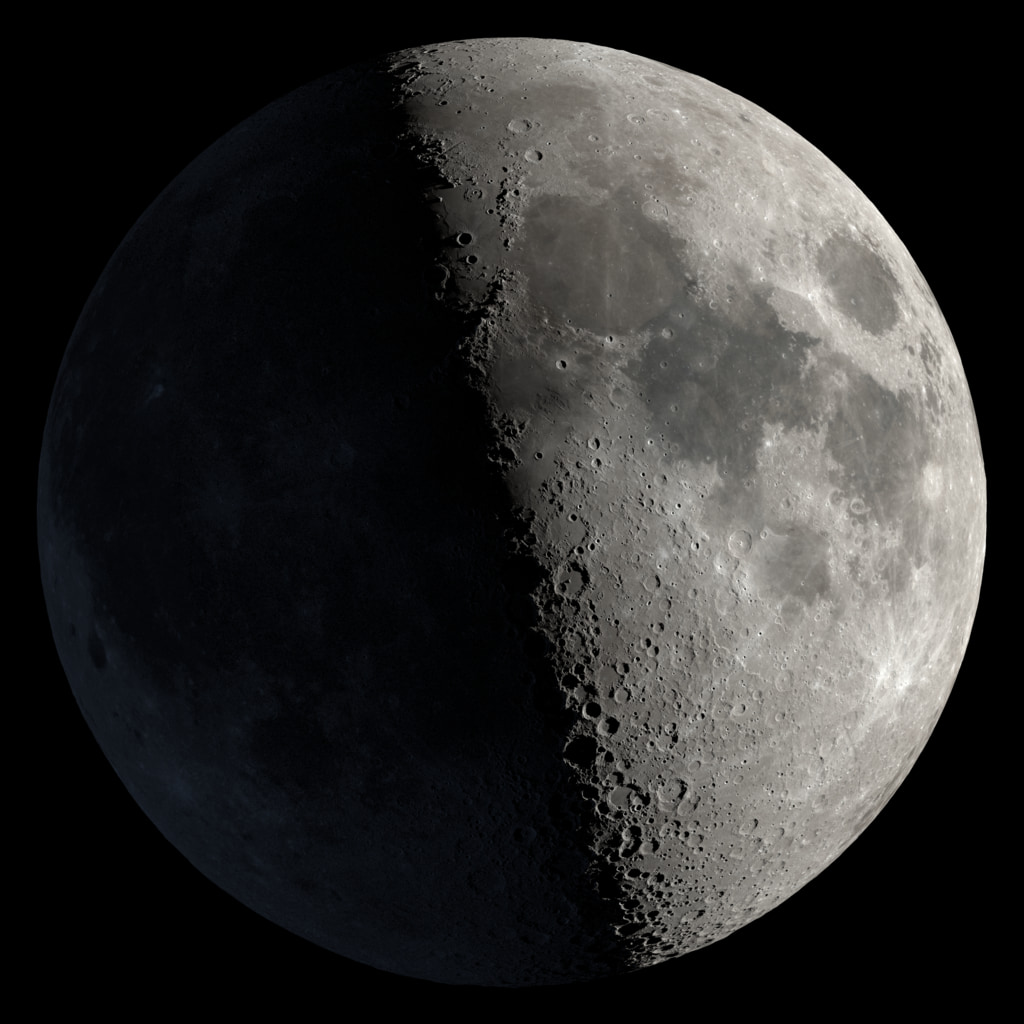
When is the Beaver Moon in 2026?
The Beaver Moon in 2026 is the full Moon of November 24, 2026 (9:53 AM EST), a supermoon that looks full on the nights of November 23 and 24. The Beaver Moon is simply the traditional name for November's full Moon, so unlike the equinox-tied Harvest Moon it always falls in November. It rises around sunset — check a local moonrise table for your exact time — and climbs high across the sky through the long early-winter night, following the November 9 New Moon and the Leonid meteor peak of November 17–18.
Why is it called the Beaver Moon?
The name comes from North American seasonal full-Moon calendars, popularized by early almanacs. November was the month when beavers finished building and provisioning their winter lodges before the freeze — and, in the same weeks, the last practical window of the trapping season, when thick winter beaver pelts were secured. Alternate traditional names for the November full Moon include the Frost Moon and the Digging Moon. All of them mark the same thing: the deadline before winter closes in.
Is the Beaver Moon 2026 a supermoon?
The two labels are unrelated: a supermoon is a full Moon coinciding with lunar perigee (appearing about 14% larger and 30% brighter than an apogee full Moon), while the Beaver Moon is purely a calendar name for November's full Moon. In 2026 they coincide: the November 24 full Moon is a supermoon. Even so, much of any "huge Moon" impression at moonrise is the Moon illusion — the perceptual effect that inflates any Moon seen near the horizon — and the Beaver Moon's biggest observing advantages, altitude and long darkness, have nothing to do with perigee.
How is the Beaver Moon different from the Harvest Moon?
They are near-opposites in behavior. The Harvest Moon (September 26 in 2026) is defined by the equinox and is famous for rising within minutes of sunset for several consecutive evenings, hanging low and orange over the horizon. The Beaver Moon is November's calendar Moon, and by then the moonrise-lag drama has faded — its distinction is altitude: opposite a low late-November Sun, it climbs the high arc a late-spring Sun would take, riding far above the horizon haze through a much longer night. Low and theatrical versus high and telescope-friendly.
Why does the Beaver Moon ride so high in the sky?
A full Moon always sits opposite the Sun, so it follows the sky path the Sun takes six months away. In late November the Sun runs low across the southern sky, which hands the full Moon the mirror-image path — the high arc of a late-spring Sun. From mid-northern latitudes the Beaver Moon therefore culminates far higher than the September and October full Moons did, and the December Cold Moon climbs higher still, topping out the yearly cycle. Higher means less atmosphere in the way — sharper, steadier telescope views.
Do I need a filter to observe the Beaver Moon through a telescope?
Not for safety — moonlight cannot harm your eyes — but for comfort and contrast, yes, more than for most full Moons. Because the Beaver Moon rides high in clean air, it is exceptionally bright in the eyepiece; an unfiltered view will dazzle you and flatten the subtle ray detail. A neutral-density Moon filter works well, and a variable polarizing filter is better still, letting you dial brightness to taste as the Moon climbs. See our Moon filter guide and variable filter picks for specifics.
What can I actually see on the Moon at full phase?
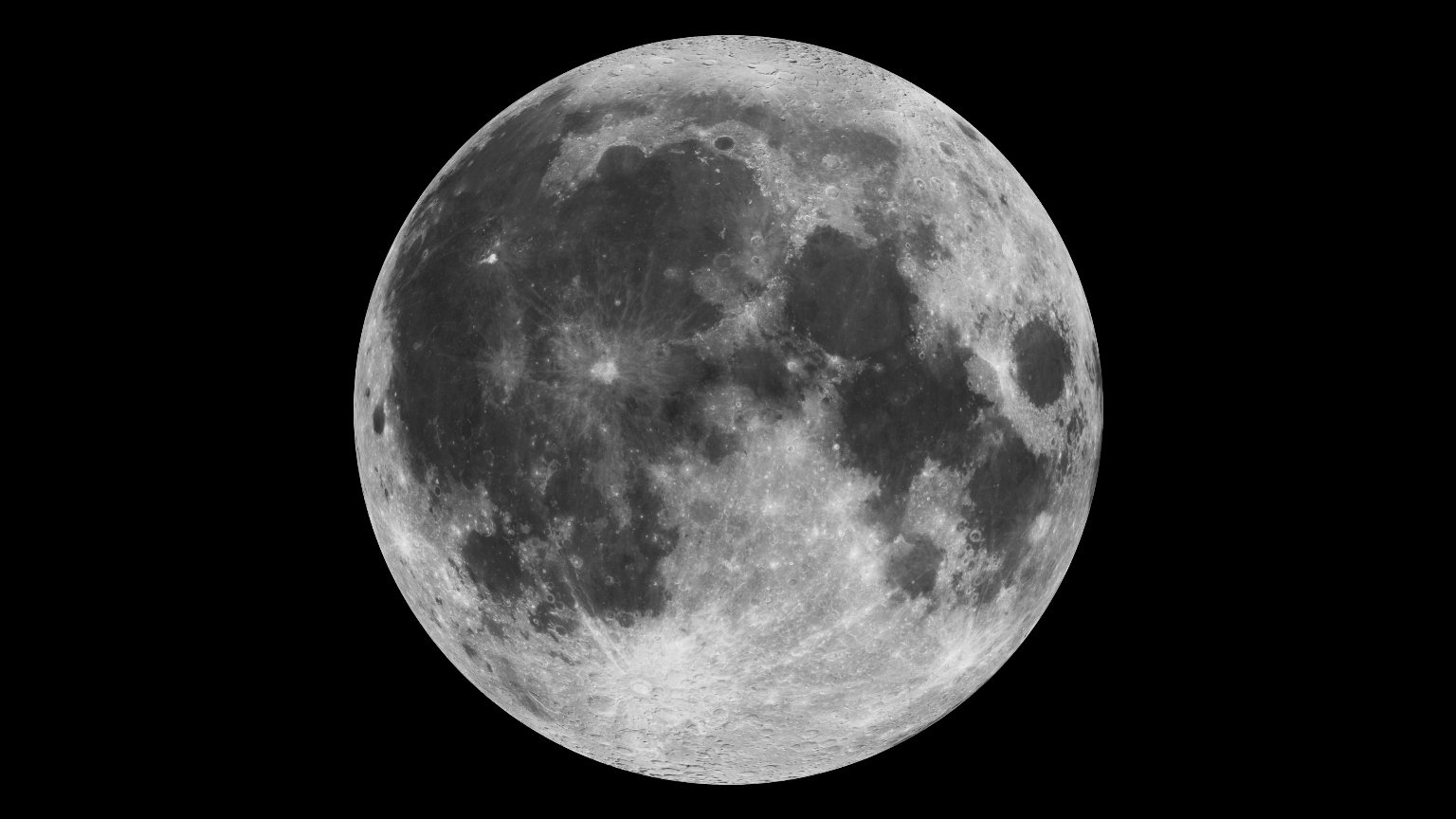
Not shadowed craters — the Sun shines straight down and flattens the relief. Instead, full phase is peak season for the bright ray systems: Tycho's streaks span a third of the disk, joined by Copernicus and Kepler. The contrast between dark maria and bright highlands is at maximum, and the extreme limb still shows mountains and crater rims in profile, refreshed each month by libration. With the Beaver Moon's altitude and a filter, 100–150× views of the rays are genuinely spectacular.
Is the Beaver Moon a good night for stargazing generally?
For the Moon, Jupiter, Saturn early in the evening, and bright double stars — excellent. For anything faint — no: the full Moon washes out galaxies, nebulae, and the Milky Way for roughly a week around November 24. Do faint deep-sky work in the dark window around the November 9 New Moon, hand Beaver Moon week to the Moon and Jupiter, and resume galaxy hunting as the Moon wanes into early December. The companion month plan is in What to See With a Telescope in November 2026.