Quick Answer: What Are the Best Telescope Targets in October 2026?
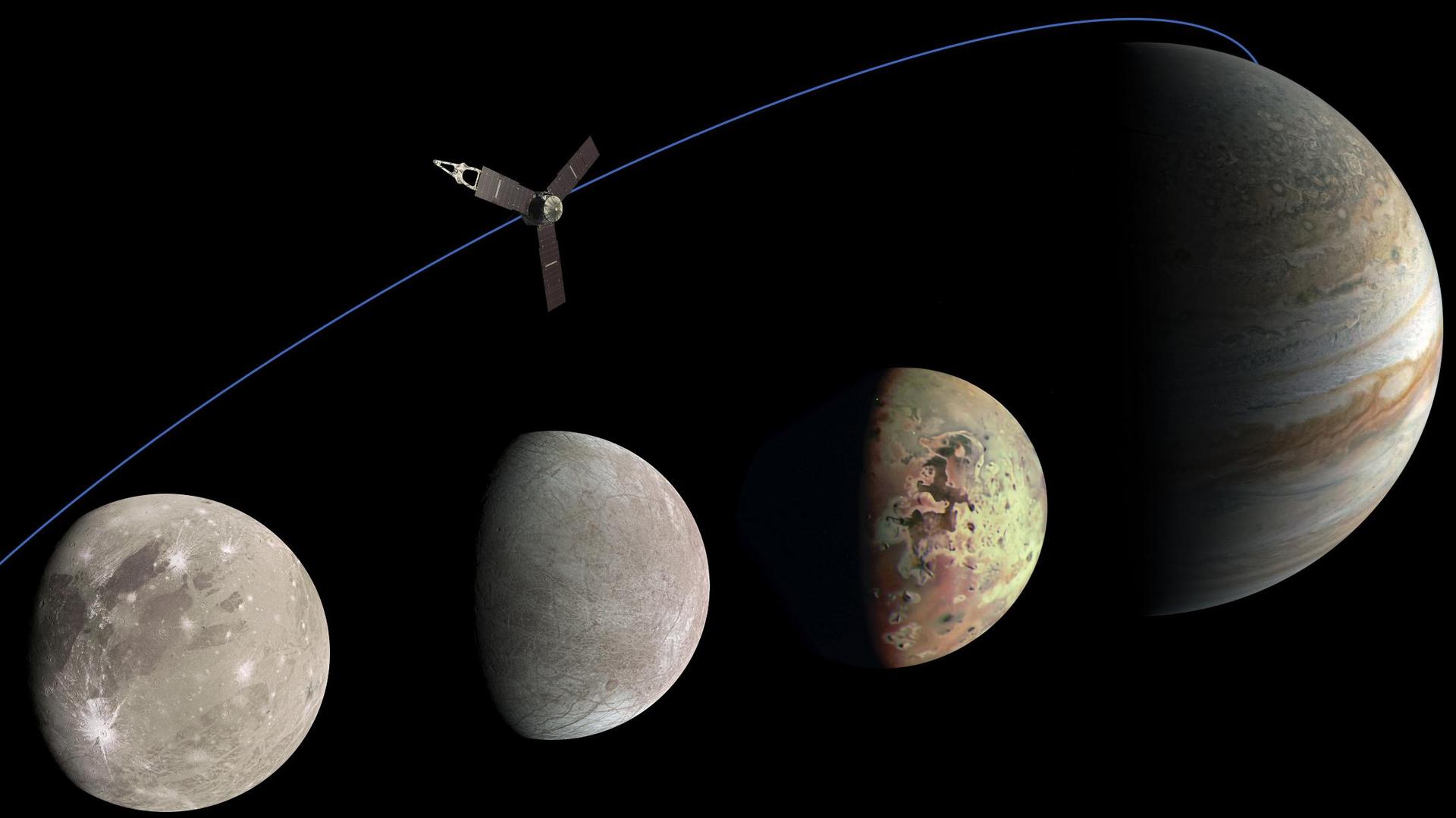
The number one telescope target in October 2026 is Saturn at opposition on October 4. At magnitude 0.3 with a 19.7-arcsecond disk and its rings tilted 7.5° toward Earth, Saturn rises at sunset, transits around midnight, and sets at dawn — visible essentially the whole night at its best quality of the year. Any telescope of 60mm or more shows the rings clearly at 50×; an 80mm+ scope at 100× can pick out the Cassini Division on a steady night.
Around that headline event, October stacks an extraordinary run of dated appointments: the Moon occults Mars on October 5 and Jupiter on October 6 in a once-in-a-decade back-to-back pre-dawn sequence, the minor Draconid meteor shower peaks near dusk on October 8, the New Moon on October 10 opens the darkest deep-sky window of the month, the Orionid meteor shower peaks October 21–22 with fast Halley's Comet meteors, and October 26 doubles up Uranus at opposition with the full Hunter's Moon. The month ends with a bright waning gibbous Moon and Saturn presiding over the Halloween evening sky.
Telescope highlight: Saturn's best night of 2026
Opposition October 4 — magnitude 0.3, disk 19.7 arcseconds, rings at 7.5°. The whole window from late September to mid-October delivers near-identical views. Saturn opposition guide →
Set-your-alarm event: Jupiter occultation
October 6, pre-dawn: Jupiter disappears behind the Moon's bright limb around 4:22 AM EDT and reappears from the dark limb around 5:29 AM EDT. Occultation timing guide →
Naked-eye events: meteors & the Hunter's Moon
Draconids October 8, Orionids October 21–22, Taurid fireball season building — then the Hunter's Moon rises near sunset on October 26. Hunter's Moon 2026 guide →
Looking for the general calendar of everything happening this month, telescope or not? See our companion page Night Sky in October 2026. This page is the telescope-first version: what to point at, on which night, and with how much magnification.