Quick Answer: What Should a New Telescope Look At in January 2027?
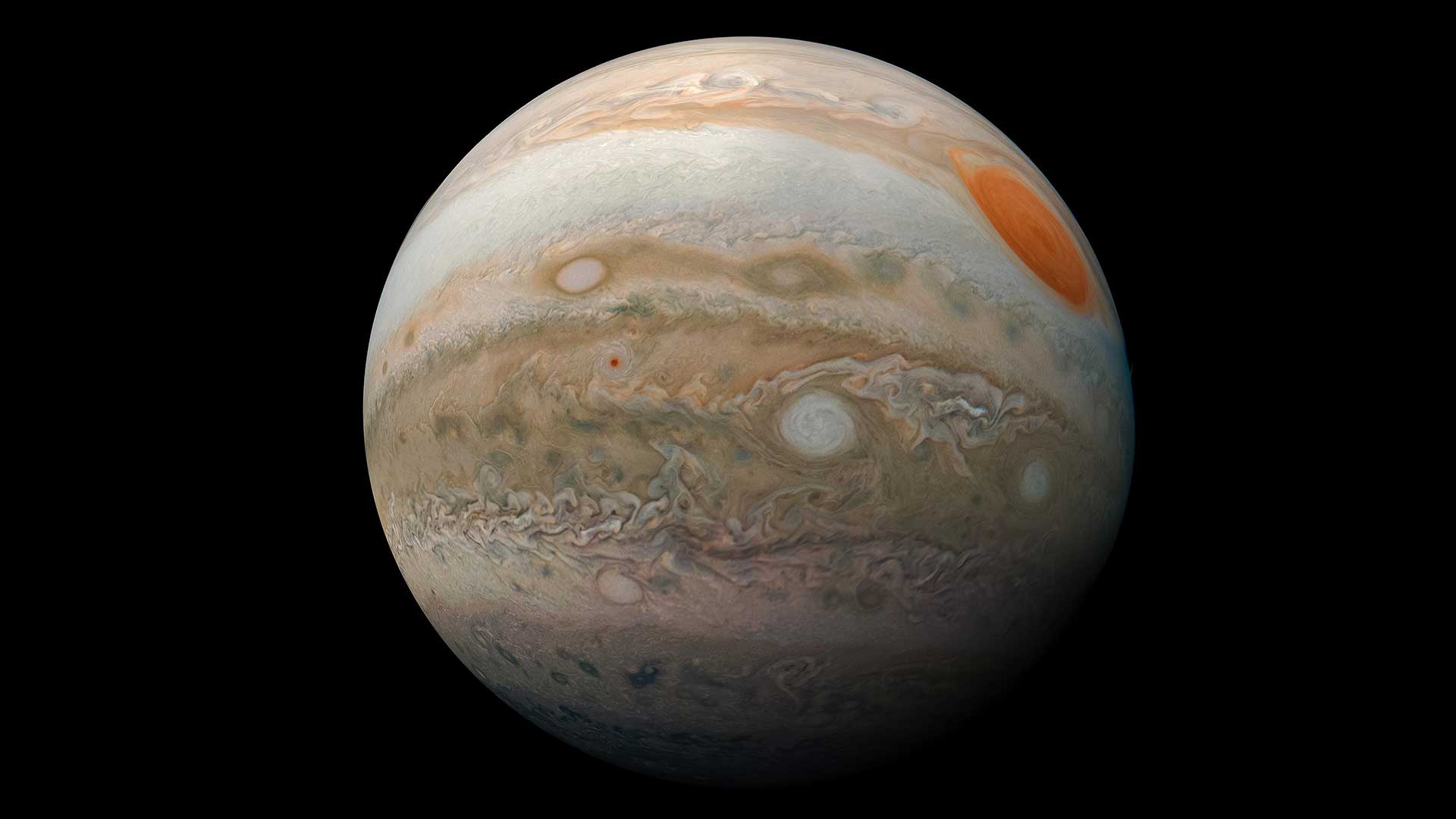
Point a new telescope at Jupiter first. Throughout January 2027 it is the brightest star-like point in the evening sky, rising in the east in Leo, and it is already close to the size and brightness it reaches at opposition on February 10–11. Even a 60–70mm telescope shows its four bright moons in a line; at about 100× the two dark cloud belts appear. The Moon is the other guaranteed success: best along the shadow line in the week after the January 15 First Quarter, and at its biggest for the Wolf supermoon of January 21–22.
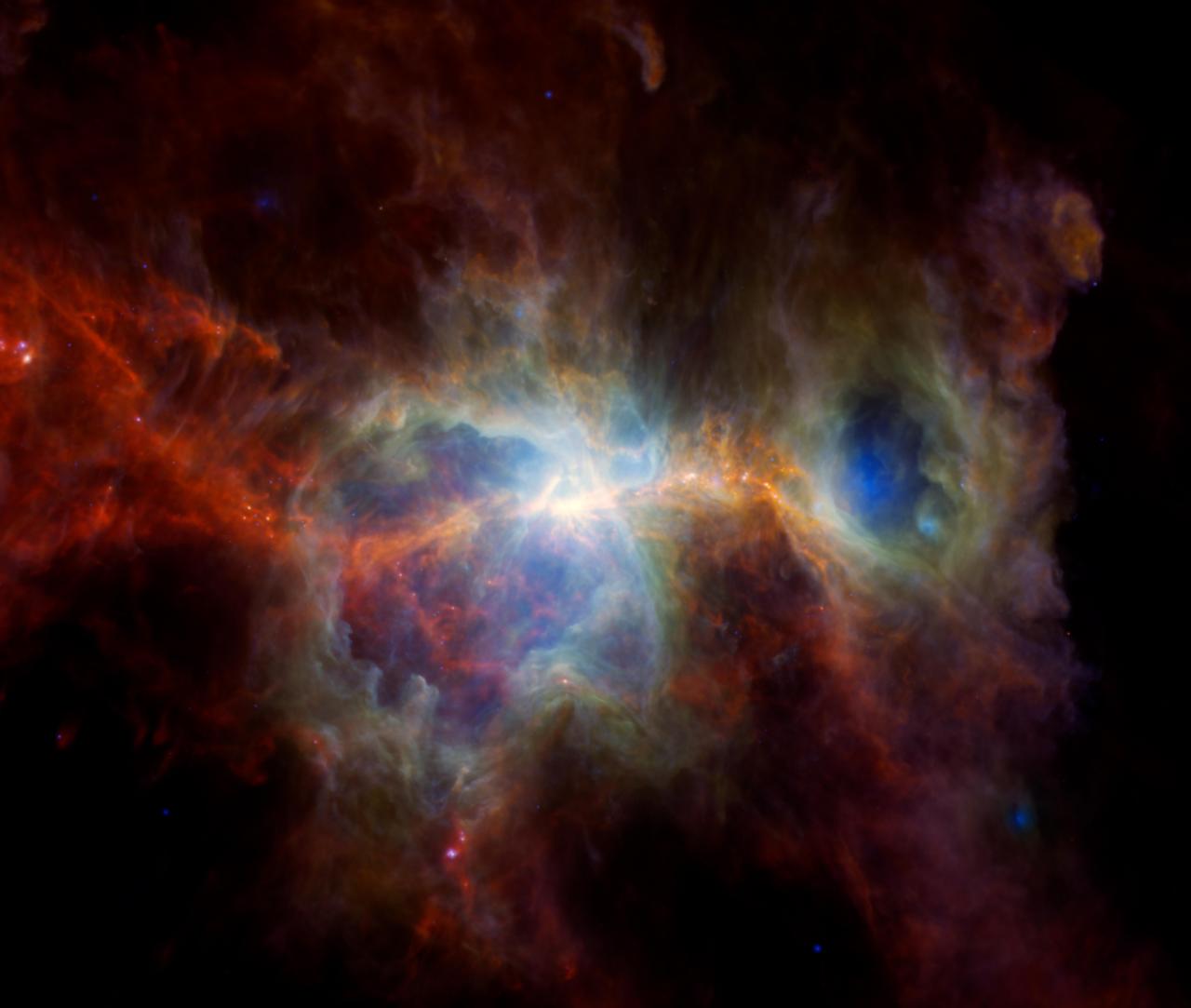
From there, work down the ladder below: the Pleiades and the Orion Nebula at low power, Saturn early in the evening with its rings unusually thin (only about 6–7° open), Mars later at night as it grows from 10 to 13 arcseconds, and Venus before dawn, half-lit at its January 3 greatest elongation. Do faint deep-sky targets in the dark evenings around the January 7 New Moon (roughly January 1–12), and get up before dawn on January 4 for the Quadrantid meteors.
First target: Jupiter
About 43″–45″ across and magnitude −2.4 to −2.5 all month. Moons at 30×, belts at 100×. Jupiter opposition 2027 guide →
Event of the month: Quadrantids
Before dawn on January 4, with only a thin crescent Moon rising late. Naked eye, no telescope. Quadrantids 2027 guide →
Full Moon: the Wolf supermoon
Full at 7:17 AM EST on January 22 (12:17 UTC); best evenings January 21 and 22. Wolf Moon 2027 guide →
Still unboxing? Our first-night checklist for a new telescope covers setup, finder alignment and cool-down; this page covers what to look at once it works. For the naked-eye calendar of the month, see Night Sky in January 2027.